Example 3 of 3: RAG in Insurance Claims: The Answer Is in the File, Somewhere
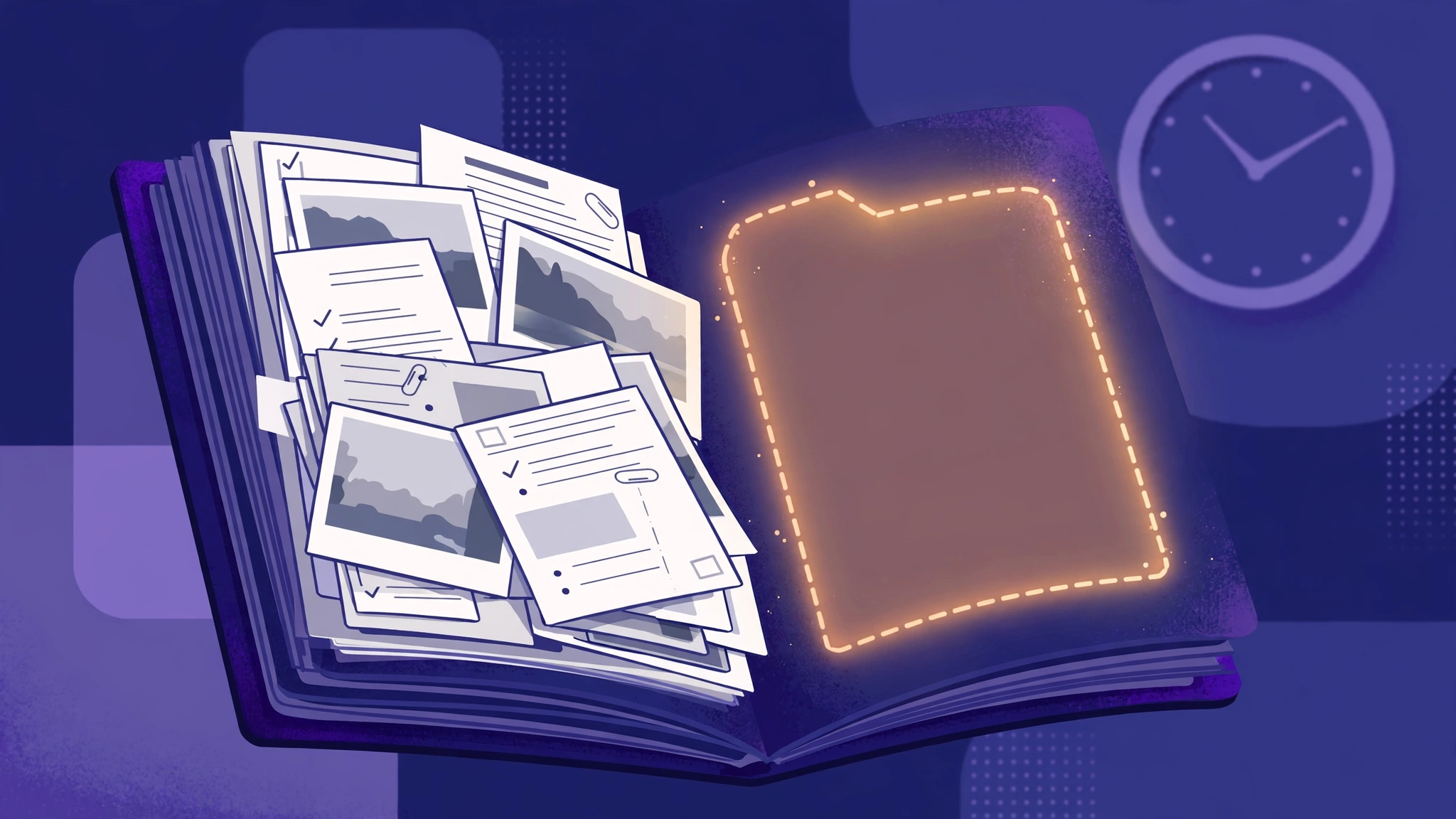
Example 3 of 3 in the RAG series. The documents are claim files, and every one of them has a clock running on it.
An insurance claim is not one document. It is a folder that grows: the first report, the policy it claims against, estimates, photos, correspondence, forms that must be there and sometimes are not. The answer to almost any question about a claim already exists inside that folder. Finding it is the slow part, and while people look, the claim sits, and the customer waits.
That combination, important answers buried in paperwork, with time pressure on top, is where this technology fits best.
The questions adjusters and managers ask
- Which claims have been open for months with no recent activity?
- Which files are missing a document the claim requires?
- Where does the reserve on a claim disagree with the estimate in the same file?
- Did the loss happen while the policy was actually in force?
- Which claims share a date or a location and should be looked at together?
Read that list again and notice something: none of these questions can be answered from a single page. Each one joins documents together. The missing report is an absence, visible only by comparing the file against what the file should hold. The reserve problem is two numbers in two documents that were never placed side by side. The expired policy is a date on one form against a date on another.
That cross document reading is the work RAG does, and in claims it is also the work that decides whether a problem is found this week or after a regulator, a lawyer or an unhappy customer finds it first.
A customer is waiting on the other end
Operations people talk about efficiency. Claimants experience the same thing as silence. A claim that stalls because a document is missing, or because nobody noticed it had gone quiet, is a person refreshing their inbox and drawing conclusions about your company.
Speed here is not a metric. It is whether people feel looked after. A system that surfaces the stalled claim, the missing form and the thin reserve while there is still time to fix them quietly is not saving keystrokes. It is saving trust, which is the actual product an insurer sells.
The decision stays human
None of this approves a claim, denies a claim or sets a reserve. Those are licensed, accountable decisions and they belong to people. What the system does is bring the right page, and the right comparison, to that person in seconds, with the source attached so the judgment can be checked.
Our demo includes a sample claims set built the same way, small enough to explore in a few minutes. The link is at the bottom of this page. Next in the series, an uncomfortable part we think every seller of this technology owes you: when RAG gets it wrong.
Ten questions about how work actually moves through your operation. No call, no slide deck.
If you want a second opinion on a specific decision, that conversation is free.
More from The Bridge
Don't Take My Word for It: Ask Your Own Documents
The series ends with a door, not a pitch: a working demo I built, with sample contracts, procurement and claims sets, so you can ask real questions and check the sources yourself.

Is RAG Safe for Company Documents?
Do your documents train the AI? Where do they live, and who inside your own company can find what? The safety questions worth asking any vendor, answered plainly.
When RAG Gets It Wrong
The honest part: bad documents, vague questions, clumsy chunking and a model that fills gaps. How RAG fails, and how a well built system earns trust anyway.