Example 2 of 3: RAG in Procurement: Every Supplier Answer, Without Digging Through Files
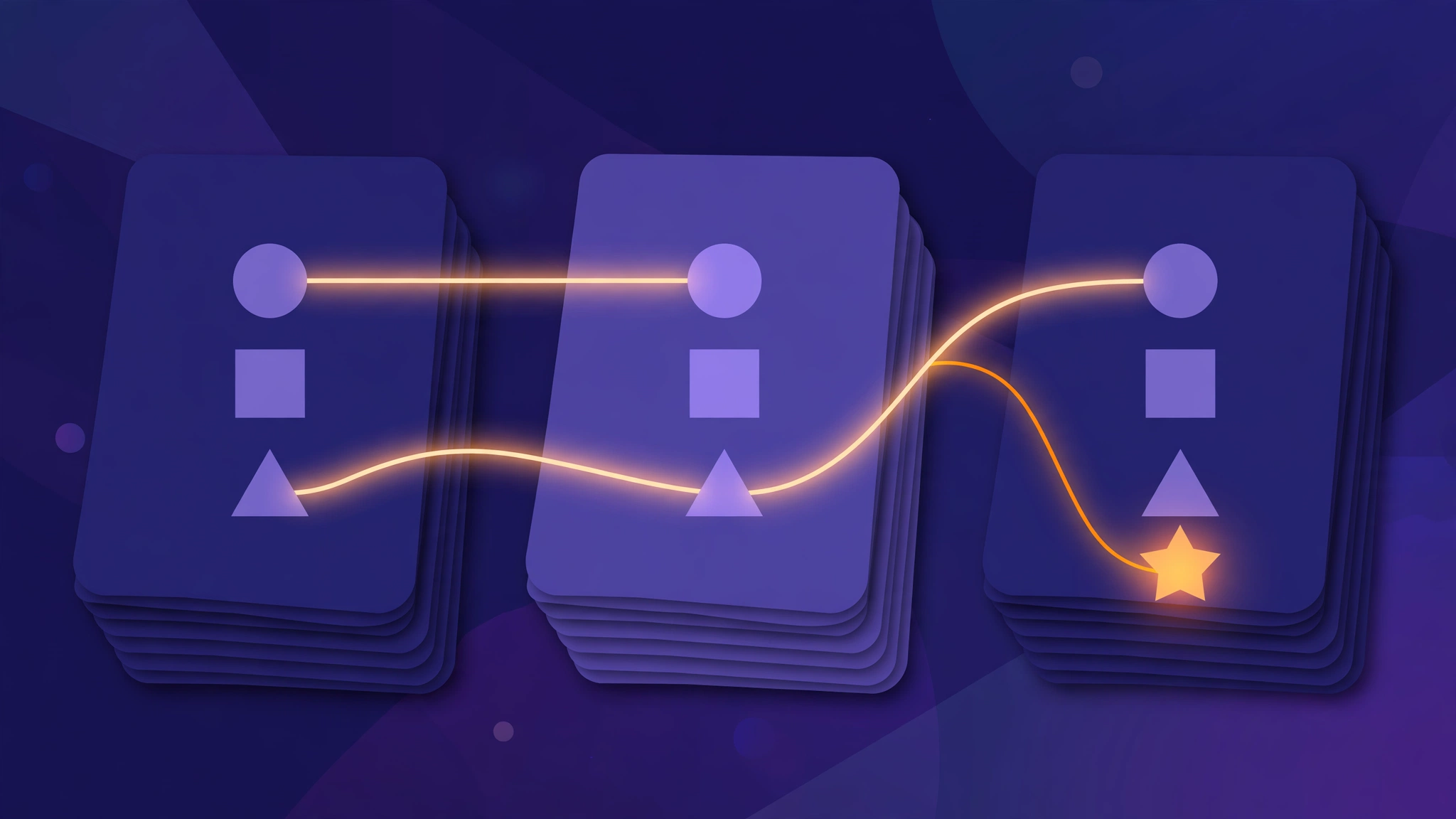
Example 2 of 3 in the RAG series. The pile this time is purchasing paperwork, and the answers are measured in dollars.
Procurement runs on three documents that must agree: the purchase order says what was ordered and at what price, the receiving report says what actually arrived, and the invoice says what the supplier would like to be paid. When all three agree, nobody notices procurement. When they do not, the difference quietly leaves the company, a few hundred dollars at a time.
Checking them by hand is slow, boring and exactly the kind of work that gets postponed until it stops happening at all.
Questions a purchasing person actually asks
With the orders, invoices and receiving reports in one RAG system, the checking turns into questions:
- Which invoices do not match their purchase order on price or quantity?
- Have we paid any invoice twice?
- Which invoices arrived with no purchase order behind them?
- Which orders are still missing a signature?
- What did we buy from this supplier this year, and at what prices?
The important trick here is that these answers live across documents. A duplicate payment is not written anywhere. It appears when two invoices, one order and one receiving report are read together. A price overcharge is invisible on the invoice alone; it exists only next to the order that promised a different price. Finding things that live between documents is what this technology is genuinely good at, and it is the part a normal search box cannot do for you.
What this looks like in practice
When we built the sample set for our demo, we planted the kind of mistakes real purchasing departments find: an invoice priced above its order, the same invoice paid twice, quantities invoiced that never arrived, an invoice with no order behind it, an order missing the manager's signature. They are in there because they are the normal failures of a busy operation, not exotic fraud.
Asking the system is faster than the manual hunt, but the real change is different. The manual hunt happens when somebody suspects something. The question, asked any time, costs nothing, so it gets asked routinely. Errors stop being discoveries and start being routine corrections.
What it does not do
It does not approve payments, and it should not. It finds, compares and shows its sources. A person still decides, with the evidence one click away instead of one afternoon away.
The demo link at the bottom of this page opens our Ask Your Documents demo, where the procurement sample set is one of the sets you can try. In the last example of the three, the documents are insurance claims, where the cost of a missed detail is measured in more than dollars.
Ten questions about how work actually moves through your operation. No call, no slide deck.
If you want a second opinion on a specific decision, that conversation is free.
More from The Bridge
Don't Take My Word for It: Ask Your Own Documents
The series ends with a door, not a pitch: a working demo I built, with sample contracts, procurement and claims sets, so you can ask real questions and check the sources yourself.

Is RAG Safe for Company Documents?
Do your documents train the AI? Where do they live, and who inside your own company can find what? The safety questions worth asking any vendor, answered plainly.
When RAG Gets It Wrong
The honest part: bad documents, vague questions, clumsy chunking and a model that fills gaps. How RAG fails, and how a well built system earns trust anyway.