SB-07: Example 4 of 5: Small Business (Airtable)
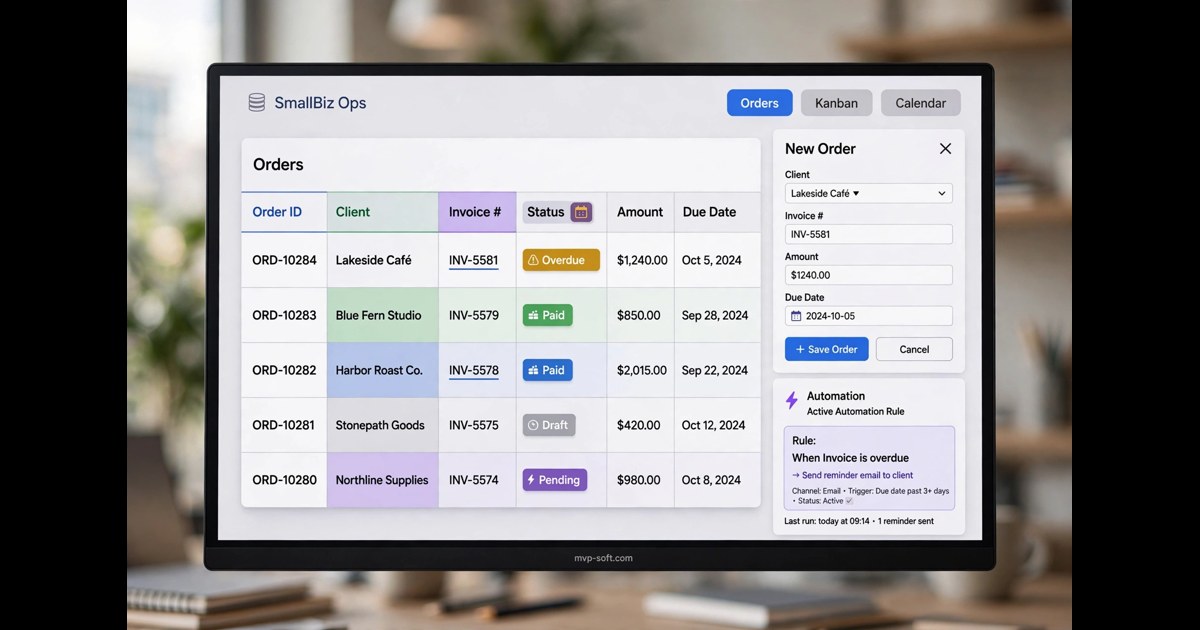
Part 7 of the SaaS or Build series, worked example 4 of 5. Prices checked October 2026, annual billing.
Walk into a hundred small businesses and ask what runs the operation. In a surprising number the answer is a spreadsheet that grew up: Airtable, the flexible database that became the system for everything. Orders in one base, clients in another, content in a third, and a very tired operations manager holding the whole thing together.
Airtable is genuinely excellent at what it is. It is also the cleanest illustration in this series of how a meter works.
The functionality specification
Relational tables: orders linked to clients linked to invoices. Views for every way of looking at the same data: grid, calendar, kanban, gallery. Forms that feed the tables from outside. Automations: when a record changes, notify, create, update. Interfaces: friendly screens for people who should not see the raw tables. Permissions by role. Sync with outside sources. Records with history.
What the rent costs
Two paid tiers matter: Team at 20 dollars per user per month, Business at 45. Business at growth sizes:
25 users: $1,125 a month, $67,500 over five years. 50 users: $2,250 a month, $135,000 over five years. 75 users: $3,375 a month, $202,500 over five years.
Now the two traps specific to this tool. The first is the ceiling: Team allows 50,000 records per base, Business 125,000. A successful operations base grows records the way a successful company grows everything, and crossing the line moves every seat from 20 to 45 dollars at once. The second is the definition of a seat: on Team, even commenters count as billable collaborators, so people who only look at the data can cost the same as people who run it. And keep in mind Part 2's fact: this vendor already doubled its entry price once, in the 2024 restructure. The meter is theirs to recalibrate.
What building the equivalent takes
The specification above is a data-shaped application: tables with relations, role-based screens, forms, automations, reports. Four to eight weeks for a small senior team, depending on how many bases have to be unified. What you get: no record ceilings, no charge for looking, data in a real database you control, and AI that works across all of it at once, because it is one system: “show me every client whose invoice is older than 30 days and draft the reminder” is a question a unified system can answer and five separate bases cannot.
What you lose: Airtable's beautiful polish, its extension marketplace, and the ability to reshape tables yourself at midnight without calling anyone. That last one is a real loss for tinkerers. It is also, in many companies, how the five-base sprawl happened.
The read
Airtable is a wonderful prototype of your company's operating system, and for many firms it quietly became the production system at prototype prices that grew into enterprise ones. When the five-year column passes six figures, the question is no longer whether you have a system. You do. The question is whether you rent it forever or own the version of it you already designed, accidentally, one base at a time.
Ten questions about how work actually moves through your operation. No call, no slide deck.
If you want a second opinion on a specific decision, that conversation is free.
More from The Bridge
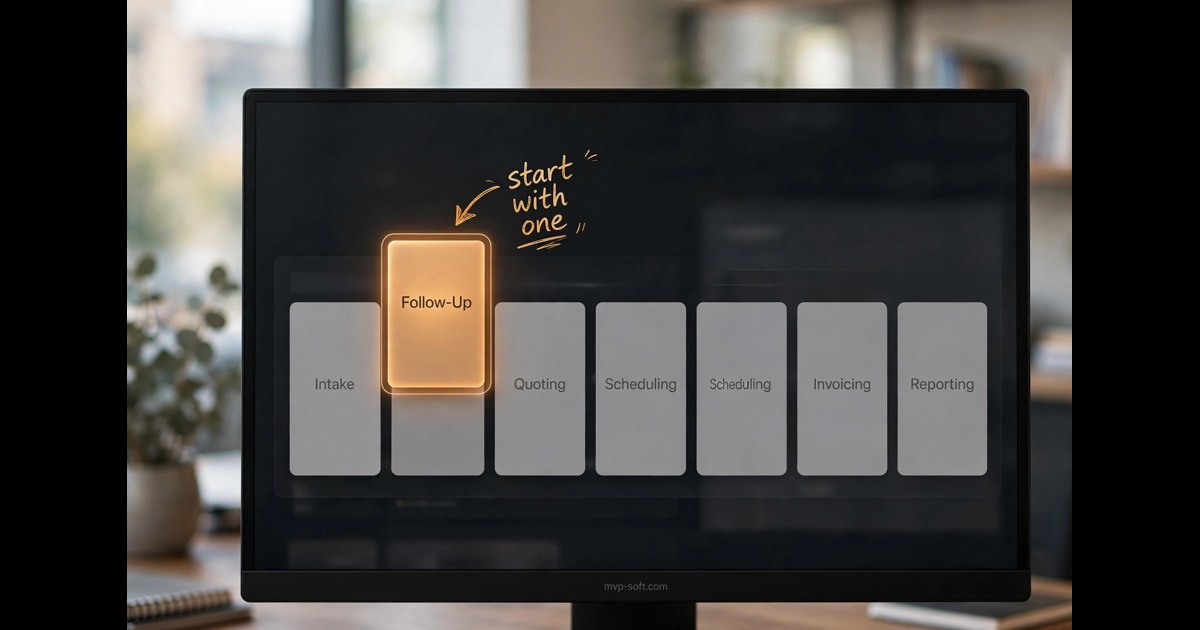
SB-12: Start With One Workflow
The finale: how to pick the one workflow worth building first, what starting honestly looks like, and what changes ninety days later. Examine the rent once a year; that is all this series asks.
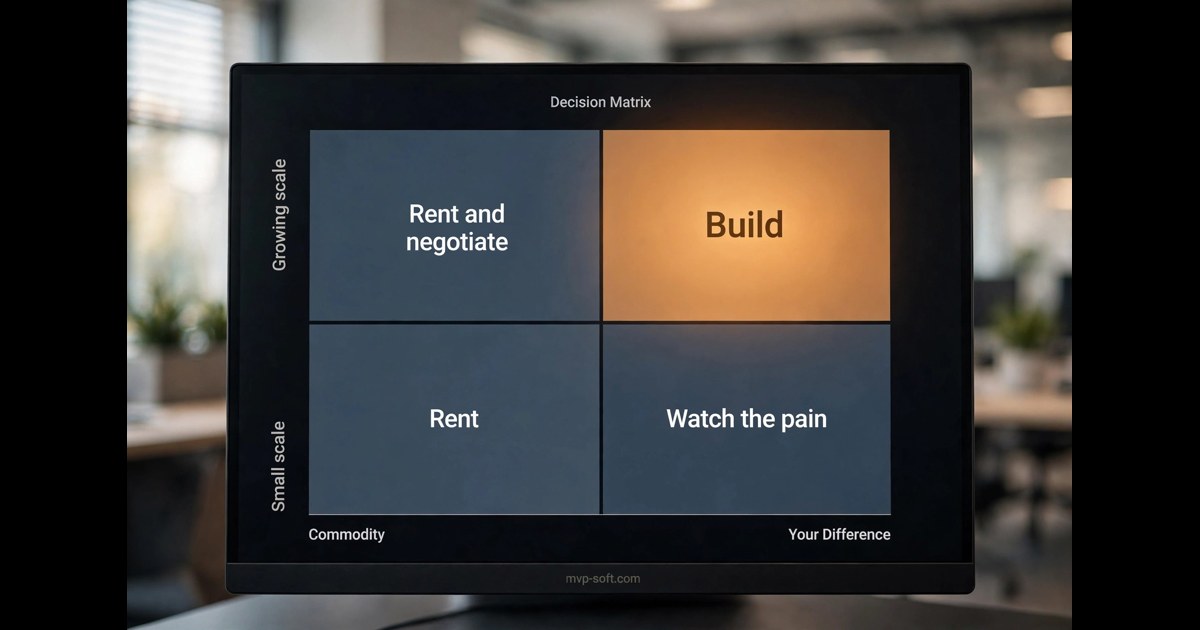
SB-10: The Crossover Point
A two-axis matrix for every tool in your stack, what AI did to the cost wall that separated building from renting, and the build side's honest costs, stated plainly.
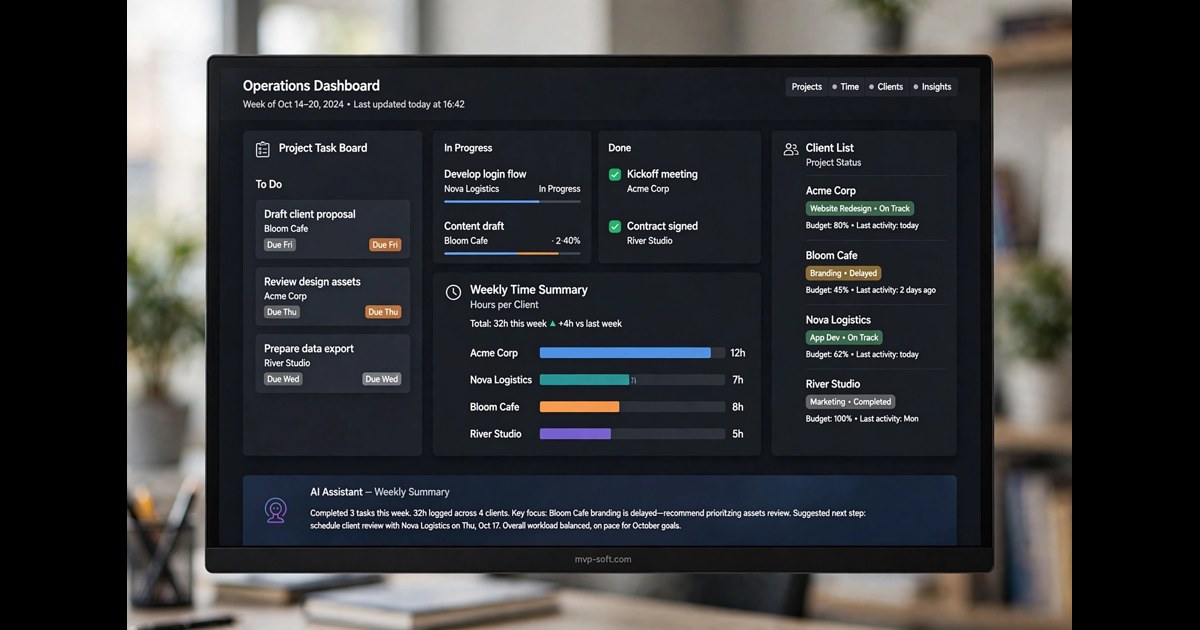
SB-11: I Used Jira and Toggl for Twenty Years. Then I Built My Own.
Two decades a loyal paying user of the tools this series prices, then one multi-tenant system of my own: no seat meter, no tiers, AI on all the data at once. The receipt for the whole argument, and a standing offer.