What Is RAG?
Part 1 of the RAG series. One idea, explained plainly, then shown working at the end.
Ask a normal AI chatbot a question about your own company and watch what happens. It answers fast, it sounds sure of itself, and some of what it says is invented. It has never seen your contracts, your procedures or your invoices. It is answering from memory of everything it read during training, and your documents were never part of that.
RAG exists to fix exactly that.
RAG stands for Retrieval Augmented Generation. The name is complicated, the idea is not. Before the AI writes an answer, it first goes and finds the relevant pages in your documents. Then it writes the answer using those pages, and only those pages. Retrieval is the search. Generation is the writing. Put together, the model stops guessing and starts reading.
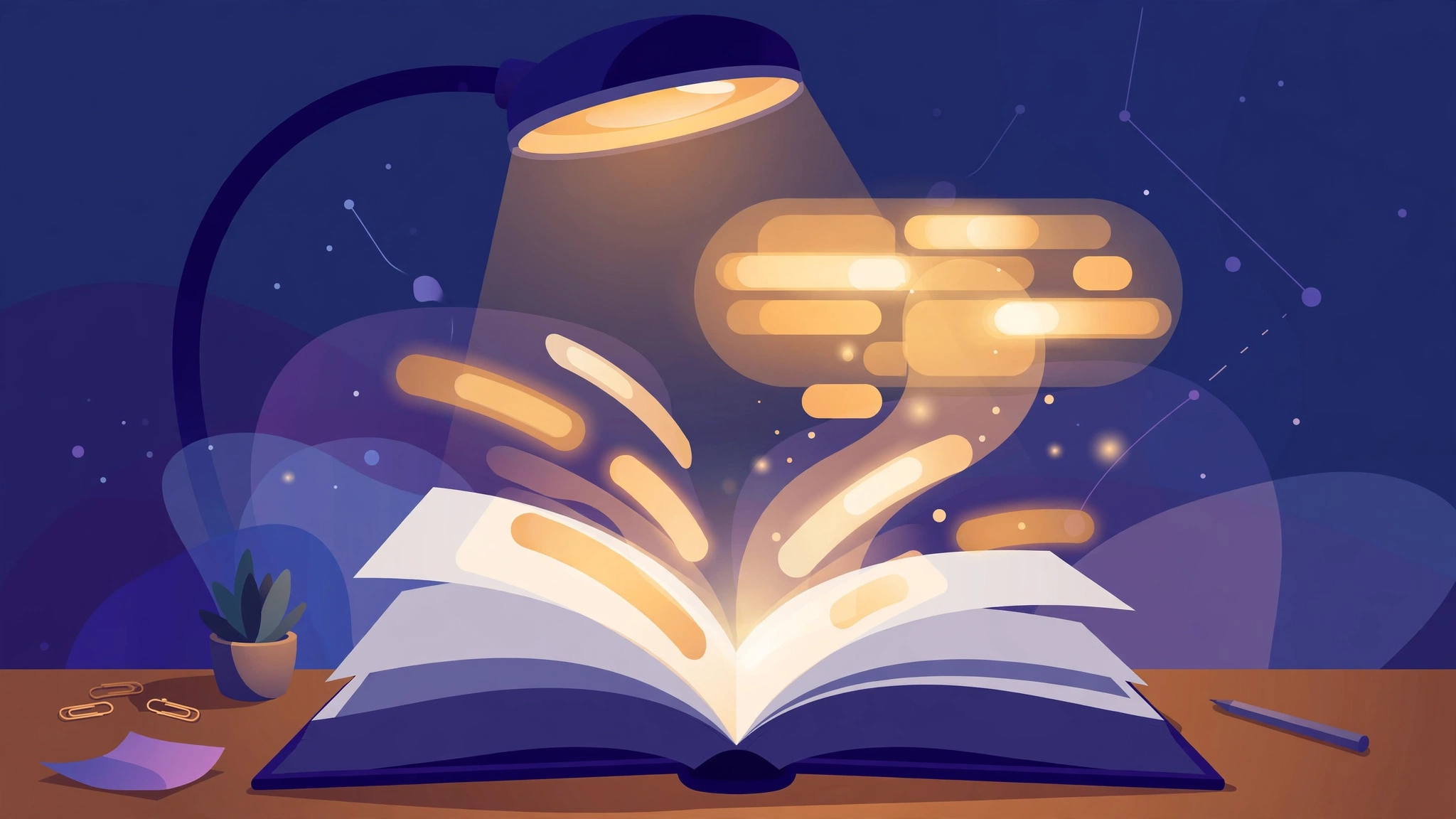
The open book exam
Think of it as the difference between a closed book exam and an open book one.
A plain chatbot takes the exam from memory. If it does not know something, it often fills the gap with something that sounds right. With RAG, the book is open on the desk. The system looks up the passages that match your question, reads them, and answers from what it found. A good RAG answer also shows you the passages it used, so you can check the work the way you would check anyone's work.
That last part matters more than people expect. An answer you can verify is a tool. An answer you cannot verify is a rumor with good grammar.
What it is not
RAG is not training a model on your documents. Your files are not baked into the AI, and the model does not learn from them permanently. The documents stay documents, stored in a place you control. The system simply knows how to find the right page at the right moment.
It is also not a search engine, although search is half of it. A search engine gives you ten documents and leaves the reading to you. RAG reads the documents it found and writes the answer, with the sources attached.
And it is not magic. If the answer is not in your documents, a well built RAG system should say it could not find it. If your documents are a mess, the answers will show it. That is not a flaw of the idea, it is the honest starting point, and we will come back to it later in this series.
Why a company should care
Most of what a company knows is sitting in files. Contracts, proposals, manuals, procedures, reports, email threads saved as PDFs. When somebody needs an answer, a person goes digging, or asks the one colleague who remembers, and waits.
RAG turns that pile into something you can ask. Which agreements renew this quarter. What the procedure says about a return. What a customer was actually promised two years ago. The knowledge does not change. The time it takes to reach it does, from hours to seconds.
In the next part we will open the hood and walk through how it works, step by step, in plain language. No mathematics degree required. If a step cannot be explained simply, it is usually the step somebody is trying to sell you.
Ten questions about how work actually moves through your operation. No call, no slide deck.
If you want a second opinion on a specific decision, that conversation is free.
More from The Bridge
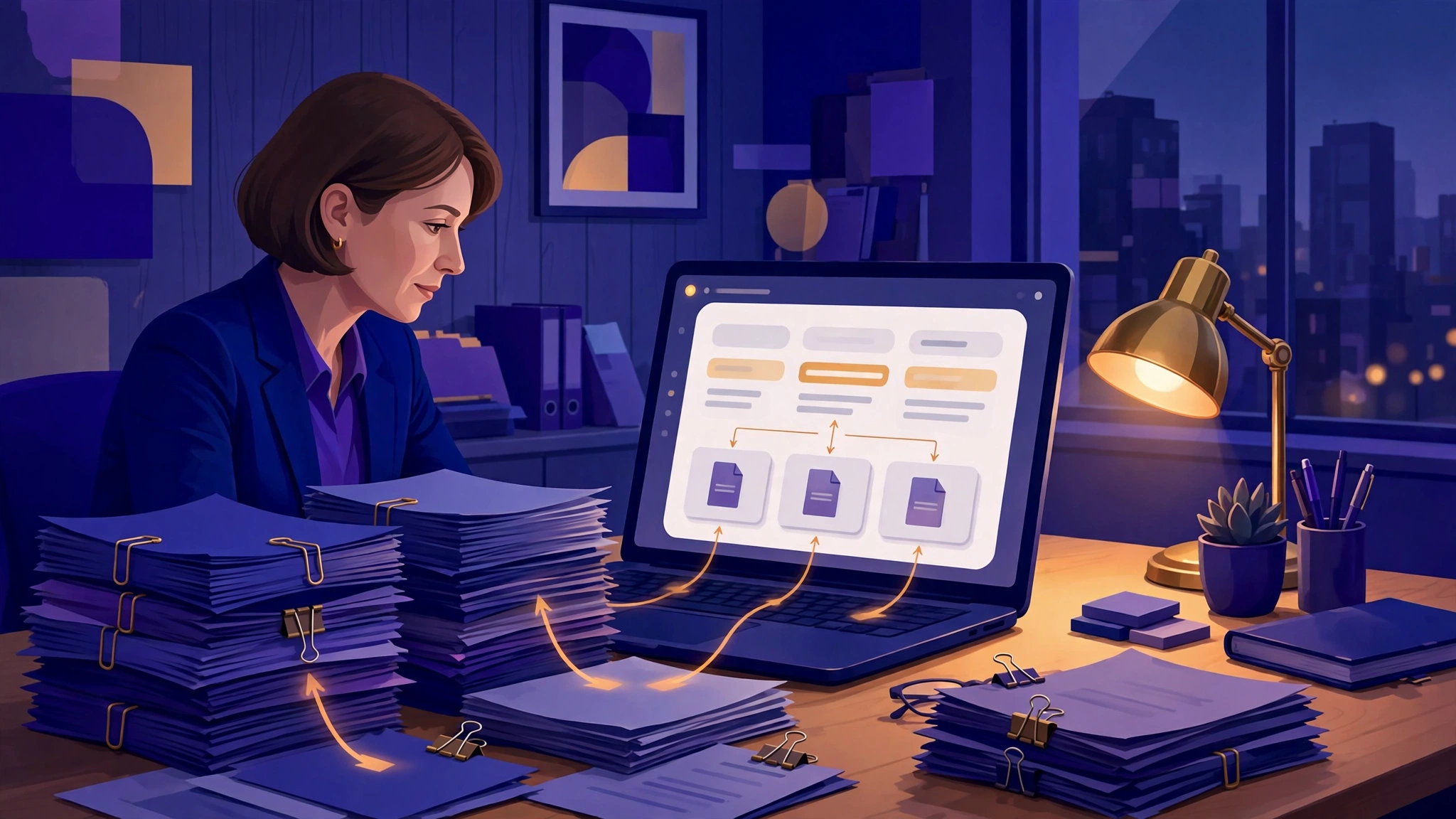
Don't Take My Word for It: Ask Your Own Documents
The series ends with a door, not a pitch: a working demo I built, with sample contracts, procurement and claims sets, so you can ask real questions and check the sources yourself.
Is RAG Safe for Company Documents?
Do your documents train the AI? Where do they live, and who inside your own company can find what? The safety questions worth asking any vendor, answered plainly.
When RAG Gets It Wrong
The honest part: bad documents, vague questions, clumsy chunking and a model that fills gaps. How RAG fails, and how a well built system earns trust anyway.