Don't Take My Word for It: Ask Your Own Documents
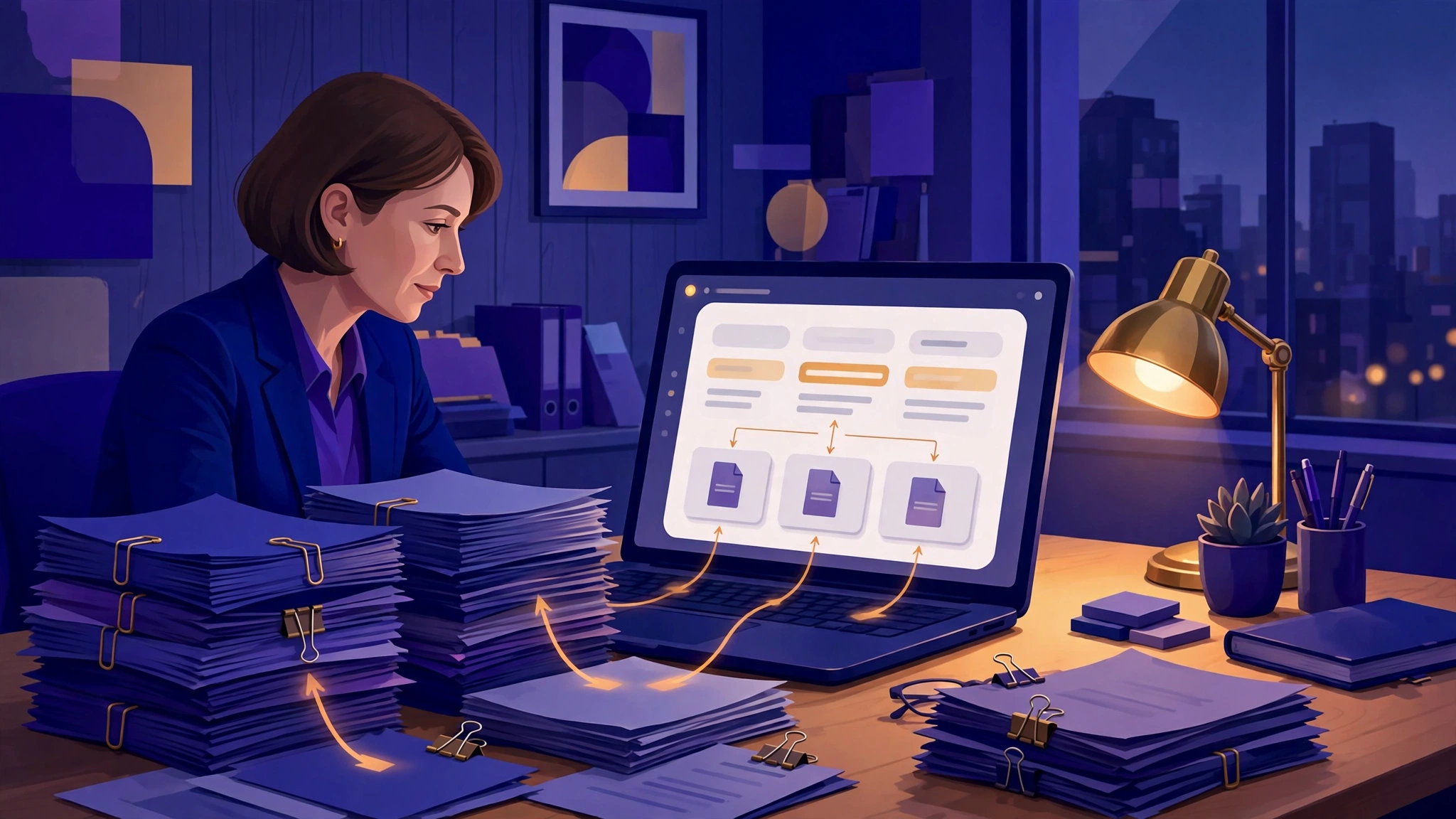
The last part of the RAG series. Everything before this one was explanation. This one is an invitation.
I built the demo behind the link at the bottom of this page myself, and I will be honest about why. For years I have explained technology to people who run companies, and I learned something simple: nobody believes a description. They believe the moment a system answers their question, from their kind of documents, while they watch.
So the last part of this series is not an article. It is a door.
What you will see
The demo is called Ask Your Documents. You upload a set of documents, or use one of the sample sets we prepared, and then you ask questions in plain language. Under the answer, the demo shows its work: the passages it found, the documents they came from, and how the answer was put together from them.
That transparency is deliberate. In Part 7 we told you how these systems fail, and the distinction we kept coming back to was a simple one: an answer you can check is a tool, an answer you cannot check is a rumor. So check ours. Ask it something the documents cannot answer, and see whether it admits it. That test tells you more about a system than any brochure, including this series.
The sample sets
If you do not want to upload anything, start with a prepared set. There is a contracts set, a procurement set with orders, invoices and receiving reports, and an insurance claims set. Each contains the normal mess of a real operation, including a few mistakes placed there on purpose, of the kind the matching articles in this series describe: a price that does not match its order, a claim file missing a required document, a contract with a renewal quietly approaching.
Try the suggested questions first, then ask one of your own. Your own question, the one a brochure writer did not anticipate, is the honest test of any demo.
A word about the account
The demo asks you to create a free account, and I would rather explain that than let it annoy you in silence. The demo calls real AI services, which cost real money per question, and the account is how we keep one visitor from spending another visitor's budget. Your documents in the demo are yours, they are not used for anything else, and the privacy thinking behind that is the whole of Part 8.
What happens after a demo
For some readers, nothing, and that is fine. You came for an explanation and you got one, with a working demonstration at the end. That is a fair trade and it is how this magazine is supposed to work.
For others, the demo raises the real question, which was never “does RAG work”. It is “what would this do on our documents, with our mess, at our size”. That question has a name on our site: the Operational Clarity Self-Check, linked below, or a simple conversation through Talk to Us. No pressure attached to either. We work on a 60 day promise either way: work with us for 60 days, and if we are not the right fit, walk away and pay nothing.
The book has been open for nine articles. The exam, such as it is, is short: a few documents, a few questions, a few minutes. Go and ask.
Ten questions about how work actually moves through your operation. No call, no slide deck.
If you want a second opinion on a specific decision, that conversation is free.
More from The Bridge
Is RAG Safe for Company Documents?
Do your documents train the AI? Where do they live, and who inside your own company can find what? The safety questions worth asking any vendor, answered plainly.
When RAG Gets It Wrong
The honest part: bad documents, vague questions, clumsy chunking and a model that fills gaps. How RAG fails, and how a well built system earns trust anyway.
Example 3 of 3: RAG in Insurance Claims: The Answer Is in the File, Somewhere
A claim file already holds every answer, buried in growing paperwork. RAG joins the documents together and surfaces what is stalled, missing or wrong. Example 3 of 3.