SB-08: Example 5 of 5: The Customer Portal (Salesforce)
Part 8 of the SaaS or Build series, worked example 5 of 5. Prices checked October 2026 from Salesforce's published Experience Cloud pricing.
The first four examples charged you for your own employees. This one charges you for your customers, and it is the example I hear about most from clients, usually in the tone of a man reading a phone bill in a foreign country.
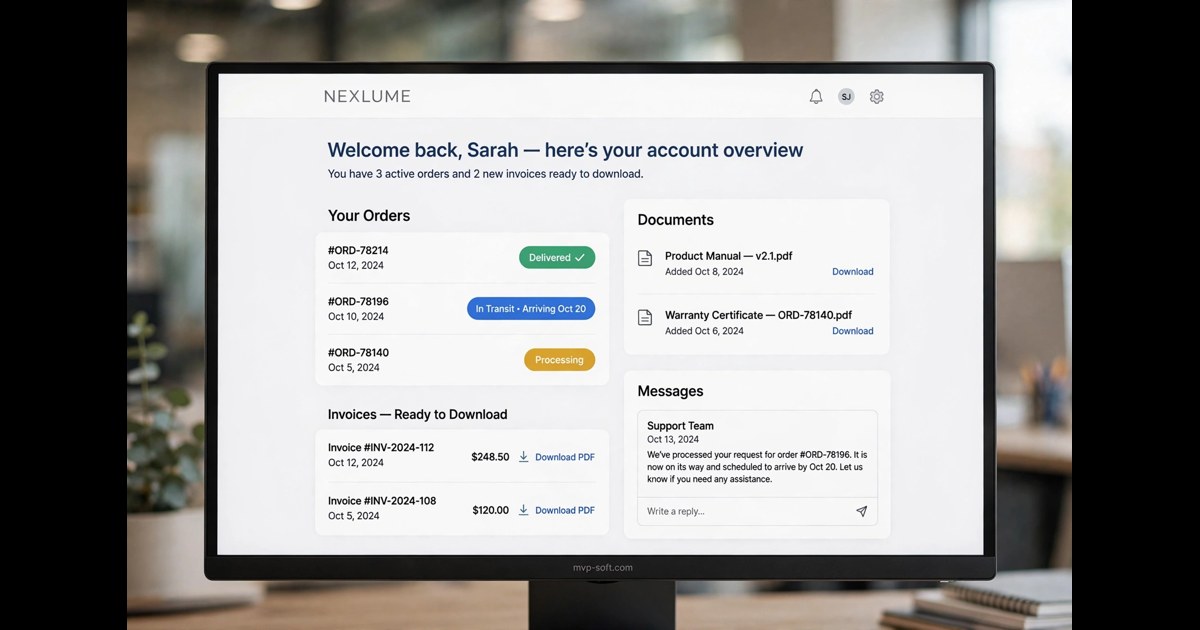
The scene: your company runs on Salesforce, your customers keep calling to ask where their order is, what the invoice says, whether the document arrived. Someone sensibly suggests a portal. Customers log in, see their own orders and invoices, stop calling. Salesforce sells exactly this as Experience Cloud. Then the pricing page explains the meter: you pay per login, or per member, per month. Your success is the billing unit, the marketing-email shape from Part 3 in its purest form.
The functionality specification
Read it carefully, because the whole argument is here. A customer portal needs: secure sign-in; a view of the customer's own orders and their status; invoices and documents to download; a way to open a request or send a message; notifications when something changes. That is the complete list for most companies. It is a small, well-understood piece of software.
What the rent costs
Published Experience Cloud pricing (October 2026): Customer Community at 2 dollars per login or 5 per member per month; Customer Community Plus, the tier with reports and proper sharing, at 6 per login or 15 per member; partner tiers run 10 to 25, and External Apps up to 15 per login or 35 per member. Your internal staff still need their own Salesforce licenses on top.
Now give the portal a modest success: 500 customers, active monthly, on Plus member pricing. That is 7,500 dollars a month, 90,000 a year, 450,000 over five years, for the specification above. Reach 2,000 customers and the member model passes 30,000 a month. Login-based pricing bends the curve but not the logic: every new customer you win raises your software bill, forever, in proportion to how well you serve them.
What building the equivalent takes
The five-function specification is four to six weeks for a small senior team, talking to the same order and invoice data your office already uses. The result carries your brand, not a template; it can grow the features your customers actually ask for; and AI belongs in it from day one, an assistant that answers “where is my order” from the customer's real data at 11 pm, included, not metered per conversation. Your 500th customer costs the same as your 50th: nothing per head.
The honest loss, and it is the real reason companies pay: if your world already lives inside Salesforce, the portal inherits the data with no integration work. Gravity is a genuine feature. Price it, though: gravity is worth an integration project, which is a one-time cost, not a half-million-dollar annuity.
The read
Of the five examples in this series, the portal is the clearest build. The specification is small, the users are yours, and the meter punishes exactly the growth the portal was bought to support. If one article in this series pays for the whole series, it is this one.
Ten questions about how work actually moves through your operation. No call, no slide deck.
If you want a second opinion on a specific decision, that conversation is free.
More from The Bridge
SB-12: Start With One Workflow
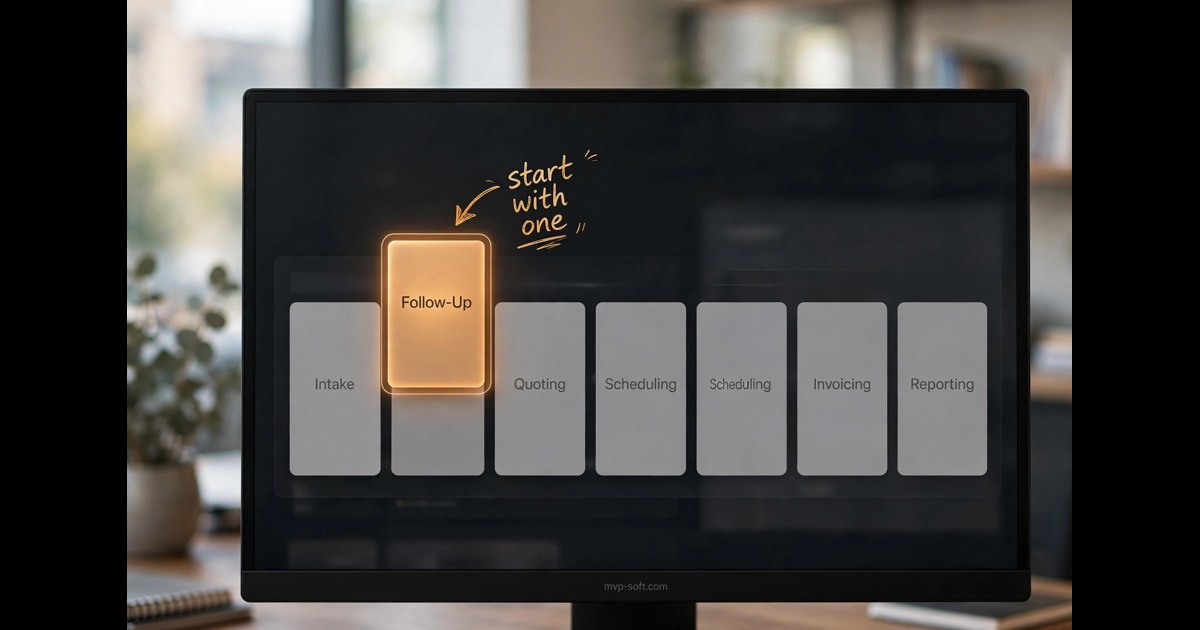
The finale: how to pick the one workflow worth building first, what starting honestly looks like, and what changes ninety days later. Examine the rent once a year; that is all this series asks.
SB-10: The Crossover Point
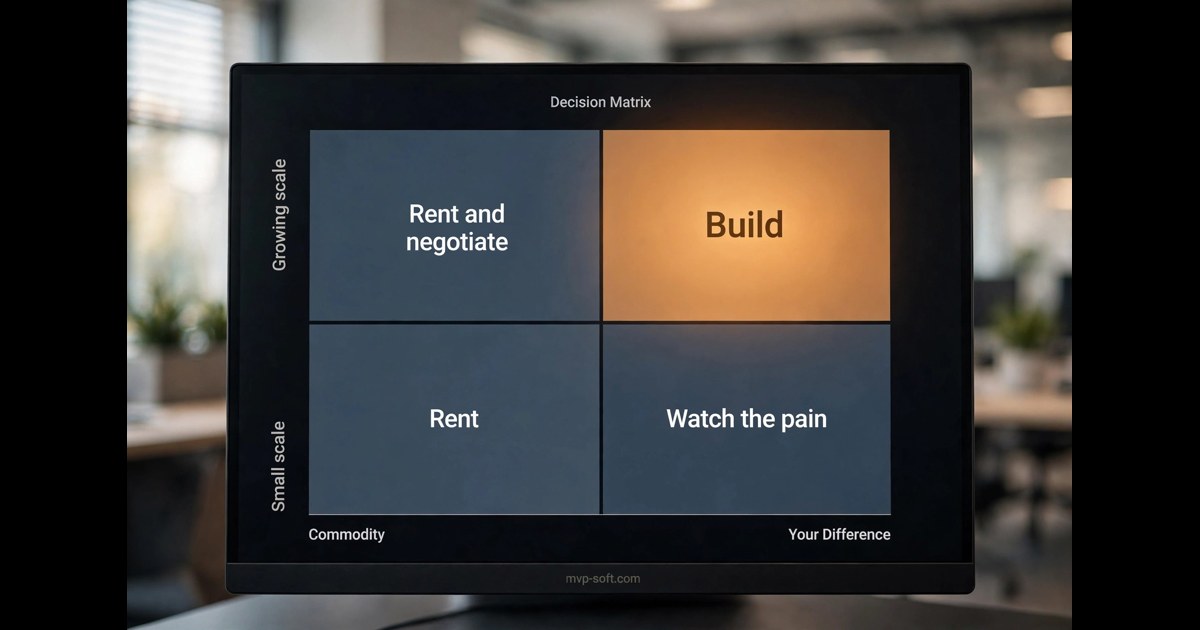
A two-axis matrix for every tool in your stack, what AI did to the cost wall that separated building from renting, and the build side's honest costs, stated plainly.
SB-11: I Used Jira and Toggl for Twenty Years. Then I Built My Own.
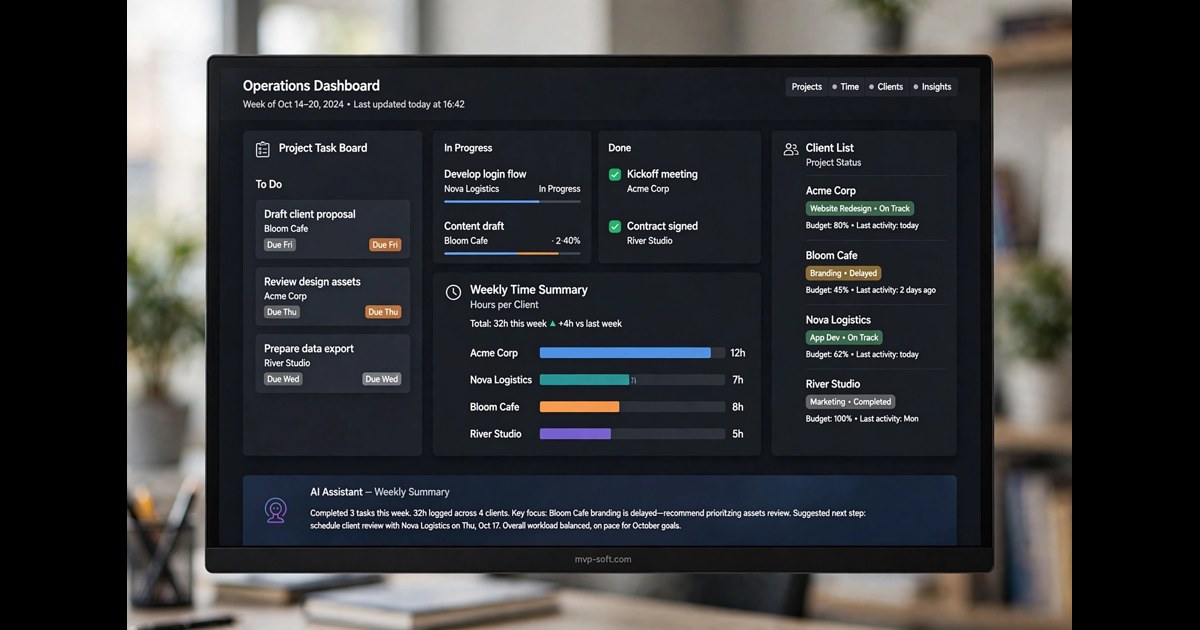
Two decades a loyal paying user of the tools this series prices, then one multi-tenant system of my own: no seat meter, no tiers, AI on all the data at once. The receipt for the whole argument, and a standing offer.