SB-02: The Math: 25, 50, 75 Users
Part 2 of the SaaS or Build series. In Part 1 we counted the subscriptions. Here we do the arithmetic nobody does at signup: what one seat price becomes at 25, 50 and 75 people, over five years.
Per-seat pricing is quoted in the smallest unit a vendor can print: one person, one month. Twelve dollars sounds like nothing. Let us watch what it does.
One tool, three sizes of company
Take a real, published price: Airtable's Business plan, 45 dollars per user per month on annual billing (checked October 2026). One tool, nothing exotic.
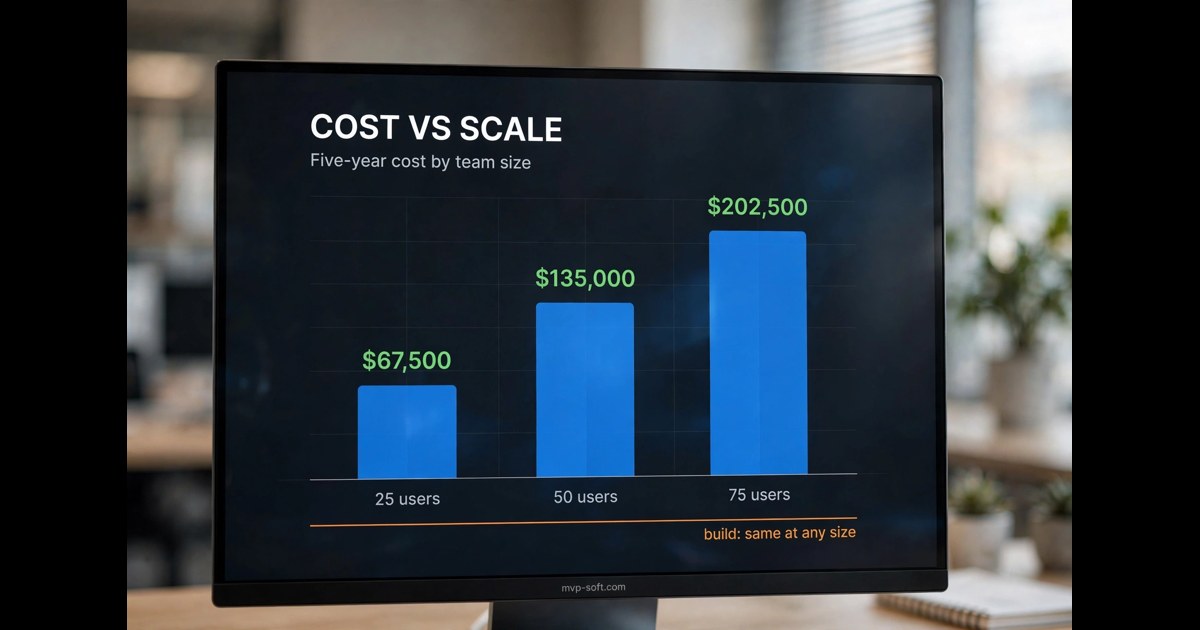
25 users: $1,125 a month, $13,500 a year, $67,500 over five years. 50 users: $2,250 a month, $27,000 a year, $135,000 over five years. 75 users: $3,375 a month, $40,500 a year, $202,500 over five years.
Read the last column slowly. At 75 people, one mid-priced tool costs more over five years than many companies spend on a vehicle fleet. And that is the friendly version of the math, because it assumes the price and the plan never change. They change.
The two ways the slope steepens
Tier creep. Plans have ceilings, and growth pushes you through them. Airtable's Team plan caps a base at 50,000 records; cross it and you move to Business, where the seat price jumps from 20 to 45 dollars, a 125 percent increase applied to every seat at once. Monday sells 250 automation actions a month on Standard; a company that actually automates outgrows that quickly and lands on Pro. The staircase is the business model: the cheap plan is the lobby, not the apartment.
Price rises. Airtable's 2024 restructure roughly doubled its entry price, from a 10 dollar starting tier to 20, and its mid tier from 20 to 45. Long-term customers were carried up the new ladder. Every vendor in this series reserves the same right, and most exercise it on a two to three year rhythm. Your five-year column above should really be drawn with the bars bending upward.
Now multiply by the stack
One tool is a line item. The stack from Part 1 is the story. A typical employee touches six to ten paid tools. Blended across cheap and expensive ones, a growing company commonly lands between 100 and 150 dollars per employee per month in software rent. For 50 people that is 60,000 to 90,000 dollars a year, every year, rising with headcount and with the vendors' price lists. Over five years: a third of a million dollars, for software the company will never own, configured to somebody else's idea of how it should work.
The flat line
Against those climbing bars, put the shape of a custom build: one cost, paid once, roughly the same whether 25 or 75 people use the result, because there is no per-seat meter. It is not free to run, and I will price its care honestly later in this series. But its cost curve is a line, not a staircase, and it does not rise because you hired someone.
That difference in shape, staircase against line, is the entire series. Everything after this article is about finding where the two cross for each kind of tool, starting with the map of what companies actually rent.
Ten questions about how work actually moves through your operation. No call, no slide deck.
If you want a second opinion on a specific decision, that conversation is free.
More from The Bridge
SB-12: Start With One Workflow
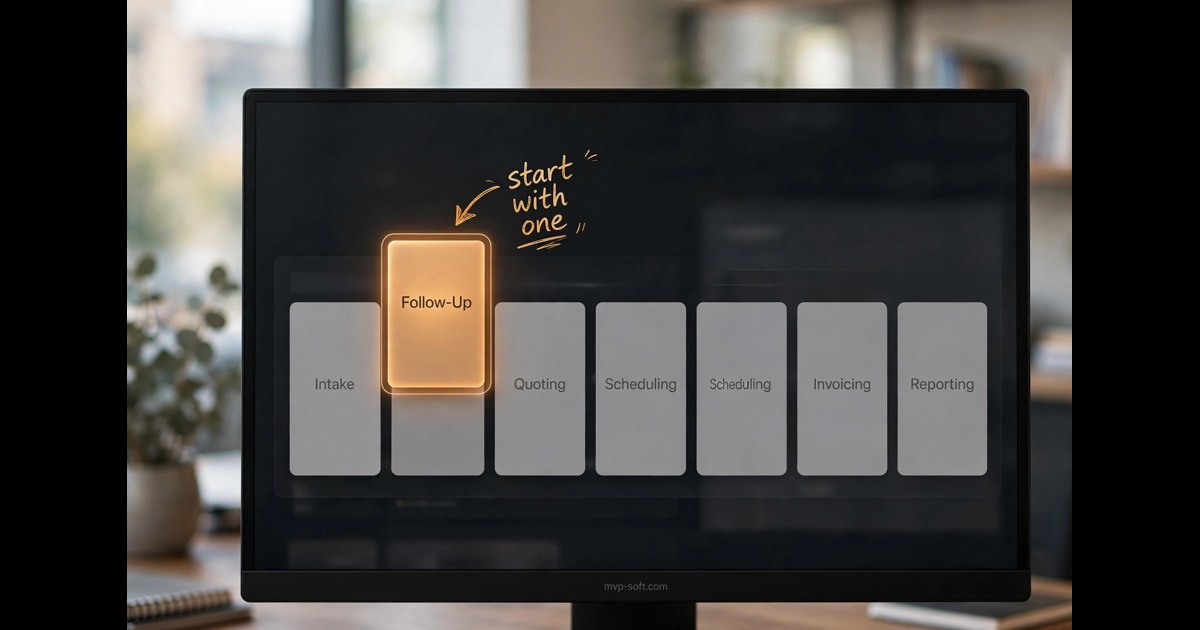
The finale: how to pick the one workflow worth building first, what starting honestly looks like, and what changes ninety days later. Examine the rent once a year; that is all this series asks.
SB-10: The Crossover Point
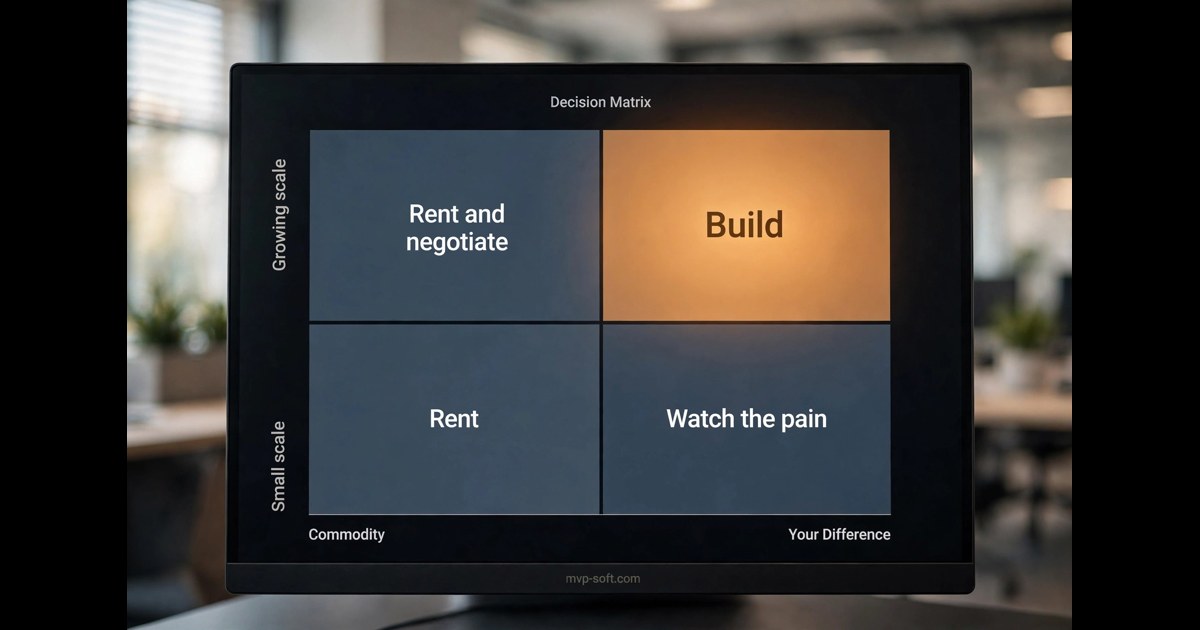
A two-axis matrix for every tool in your stack, what AI did to the cost wall that separated building from renting, and the build side's honest costs, stated plainly.
SB-11: I Used Jira and Toggl for Twenty Years. Then I Built My Own.
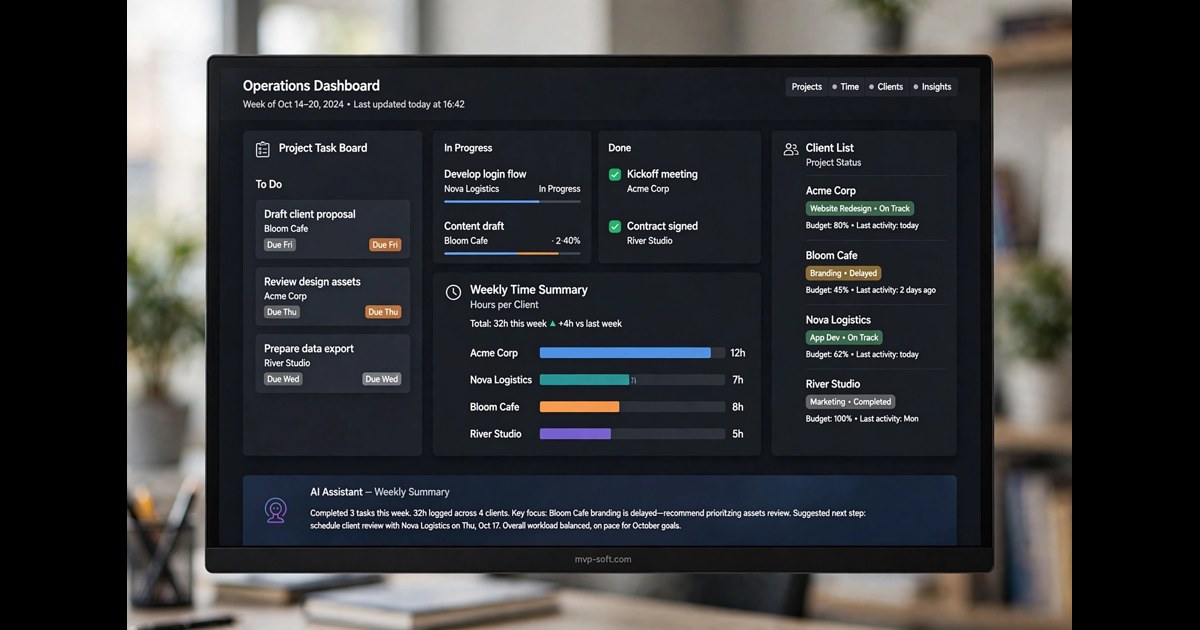
Two decades a loyal paying user of the tools this series prices, then one multi-tenant system of my own: no seat meter, no tiers, AI on all the data at once. The receipt for the whole argument, and a standing offer.