SB-10: The Crossover Point
Part 10 of the SaaS or Build series. The examples are done; here is the decision tool, and an honest account of what changed underneath it.
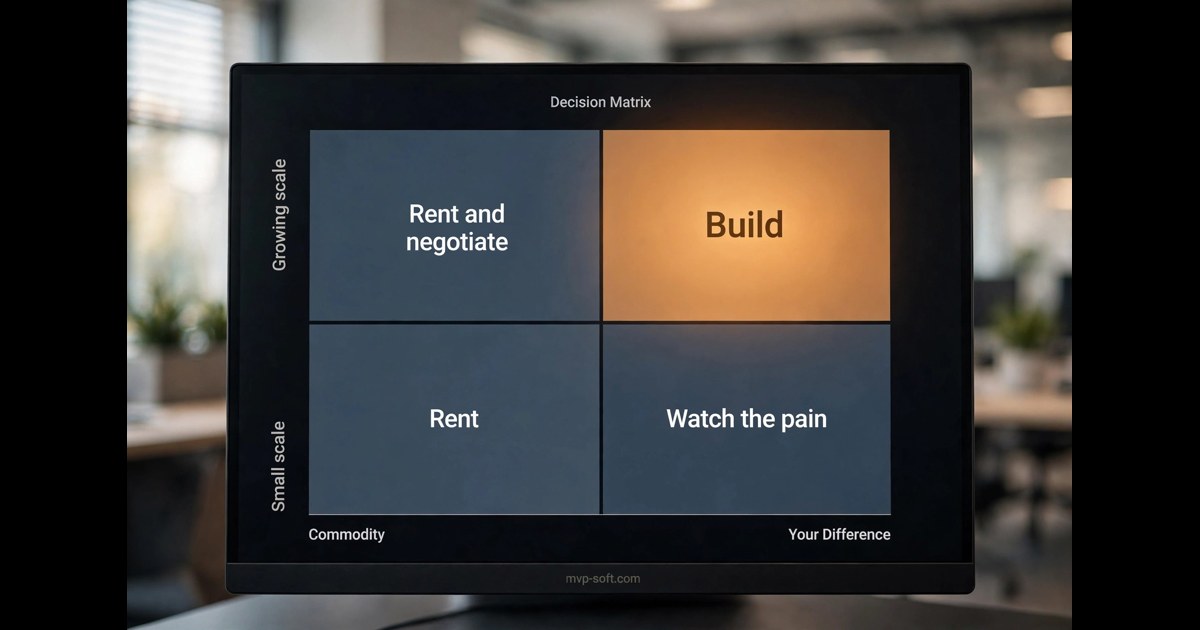
Every tool in your stack can be placed on two axes. The first: how unique is the process it carries? At one end, commodity, the same in every company. At the other, difference, the way your company wins work, in workflows your competitors cannot see. The second axis: scale, users multiplied by years, the thing that turns rent from a line item into a salary.
The four quadrants
Commodity process, small scale: rent without a second thought. Commodity process, large scale: still rent, but negotiate, consolidate seats, and watch the bill annually; payroll at 300 people is expensive and still correct.
Different process, small scale: this is the interesting argument. Renting bends your process to the template; building early can be a vanity project. The tiebreaker is pain: if your people keep spreadsheets on the side to do the real work, the process has already voted.
Different process, growing scale: build. This is the quadrant where the five-year columns from the examples live, where the meter punishes growth and the template punishes fit at the same time. Almost every company has one or two tools sitting here, mispriced and misfitted, waiting.
What AI moved
For twenty years the matrix had a fixed cost wall: building anything serious meant a six-figure project and a year of calendar, so the build quadrant was small and the rent quadrants were huge. Three things changed at once. AI-assisted development collapsed the effort on exactly the bounded, well-specified software this series describes; the examples' four to ten weeks used to be quarters. The same AI made custom software smarter than rented software at the moment of birth, because a build can put an assistant on top of all your data, in your vocabulary, while the vendors meter their AI per user, per credit, per conversation. And the data argument inverted: a decade ago your data was safer inside big platforms; now, the company whose data sits in one system it controls is the company that can actually use AI on it, and the company renting twelve silos cannot, at any tier.
The crossover point did not drift. It jumped, in one technology cycle, and most companies' stacks are still priced and organized on the old side of it.
The honest costs of the build side
A build is not free after it ships, and any builder who hides this is selling. Hosting is a small monthly bill. Care is real: someone must patch, back up, and adjust the system as your process evolves; budget it as a modest, flat retainer, the cost of a fraction of one hire, not a per-seat meter. And a build must be specified, which means your company has to say out loud how it works. Some firms discover in that conversation that the process was the problem all along. That discovery alone has paid for several of our engagements before a line of code mattered.
Run it on your stack this afternoon
List your subscriptions, as in Part 1. Price each at today's headcount and at the headcount you plan in three years. Mark each commodity or difference, honestly, using the side-spreadsheet test. Whatever sits in “difference, growing” is your build candidate, and it is almost never the whole stack. It is one workflow. The finale of this series is about starting exactly there, and the part before it is the story of how I learned all of this the expensive way.
Ten questions about how work actually moves through your operation. No call, no slide deck.
If you want a second opinion on a specific decision, that conversation is free.
More from The Bridge
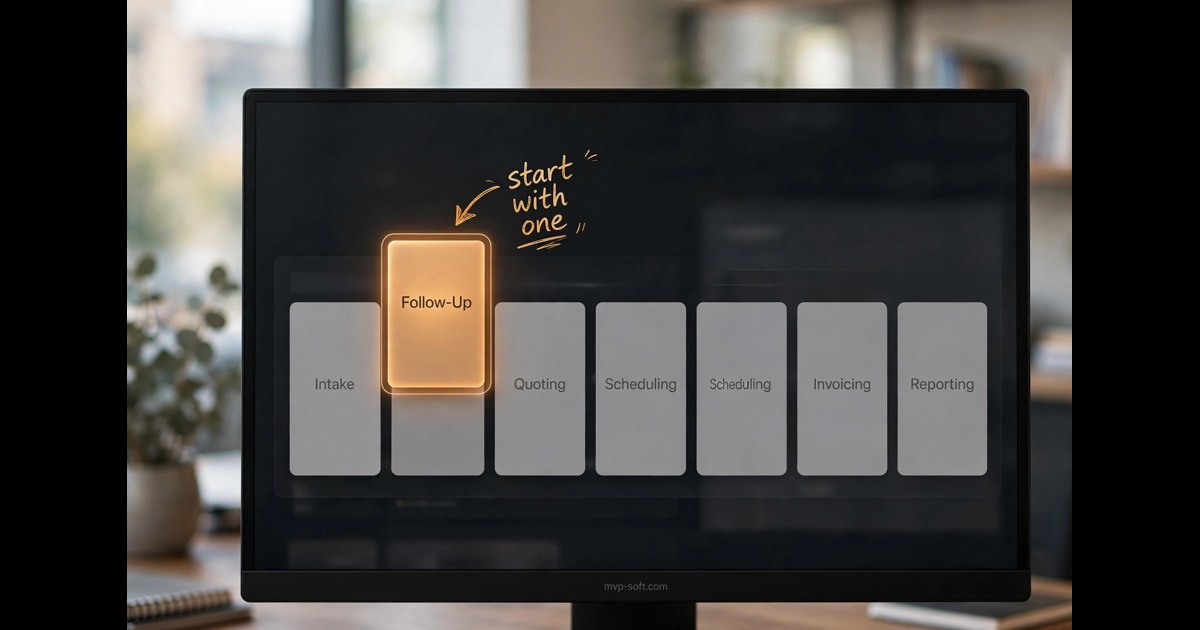
SB-12: Start With One Workflow
The finale: how to pick the one workflow worth building first, what starting honestly looks like, and what changes ninety days later. Examine the rent once a year; that is all this series asks.
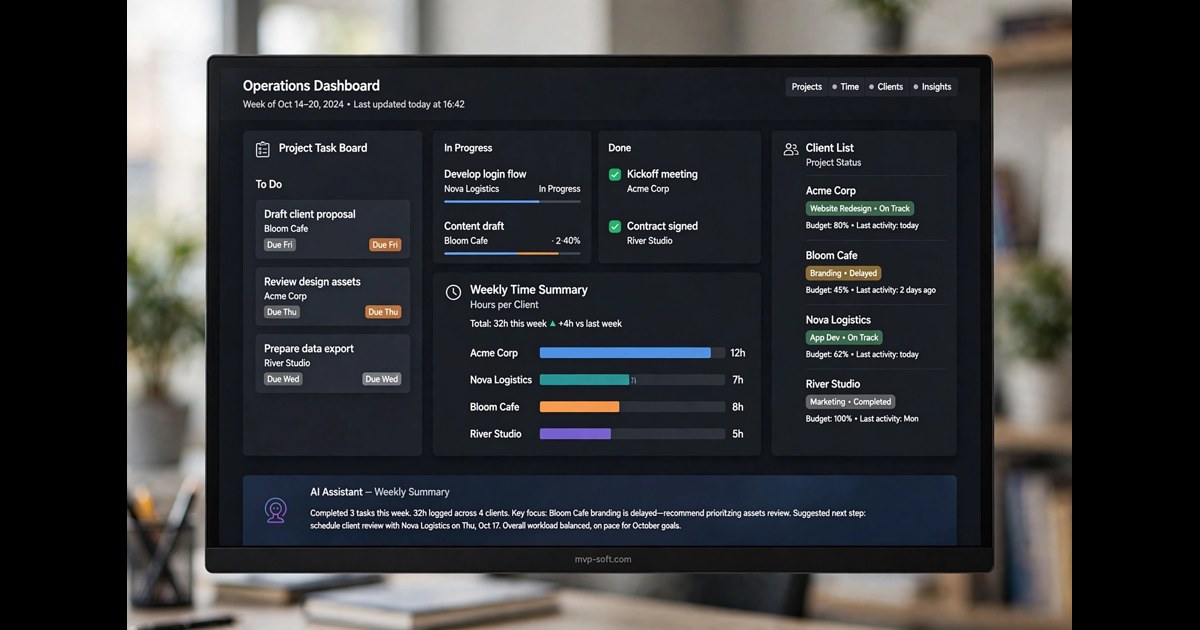
SB-11: I Used Jira and Toggl for Twenty Years. Then I Built My Own.
Two decades a loyal paying user of the tools this series prices, then one multi-tenant system of my own: no seat meter, no tiers, AI on all the data at once. The receipt for the whole argument, and a standing offer.
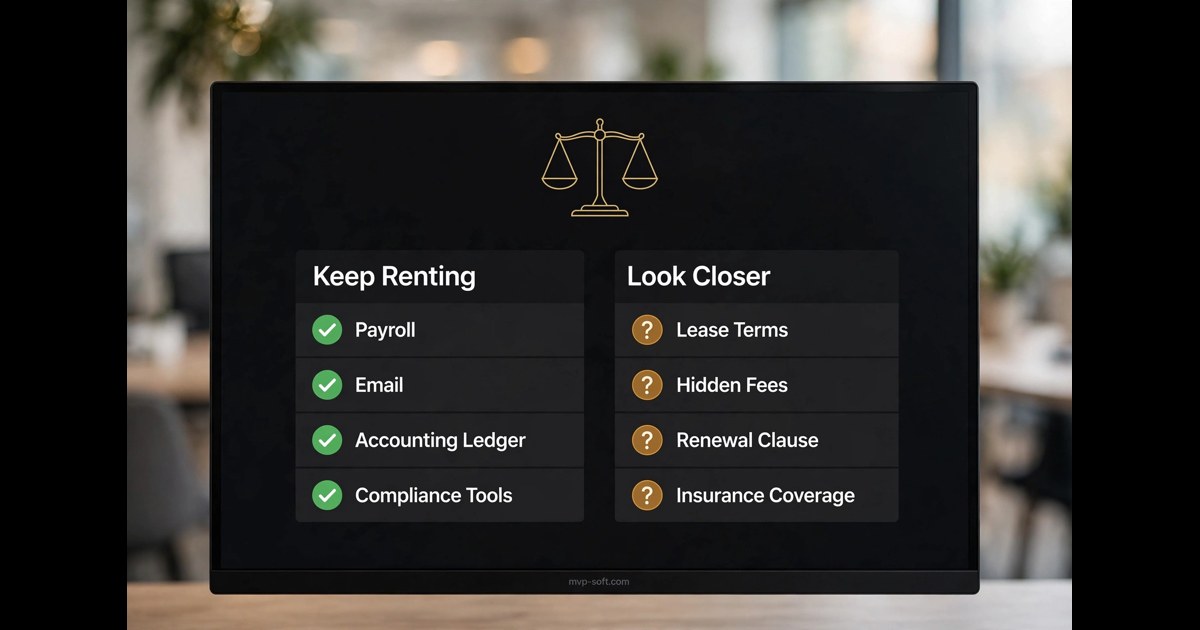
SB-09: When SaaS Wins
The honest counterweight: payroll, email, ledgers and ecosystems are worth their rent, and small stable teams should keep paying it. Buy the commodity, build the difference.