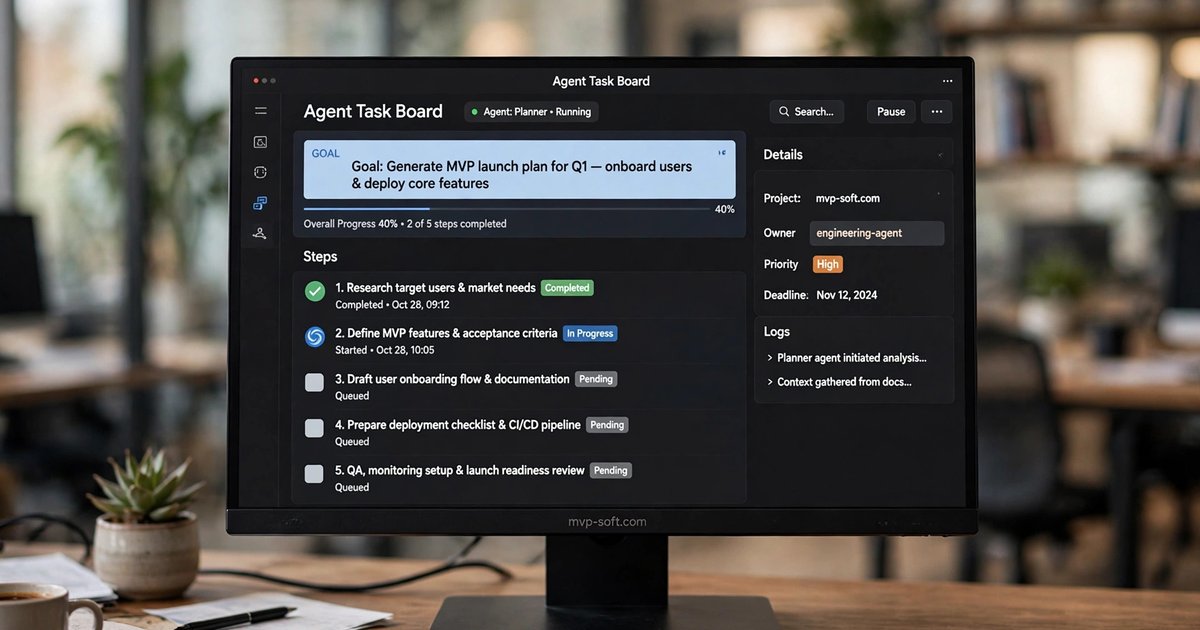
- AG-01: What Is an AI Agent? Software That Takes the Next Step
A chatbot gives an answer, while an AI agent works toward a defined outcome across several steps. This article explains how an agent uses instructions, company facts, and tools to act, and why a person still owns the goal and the result.
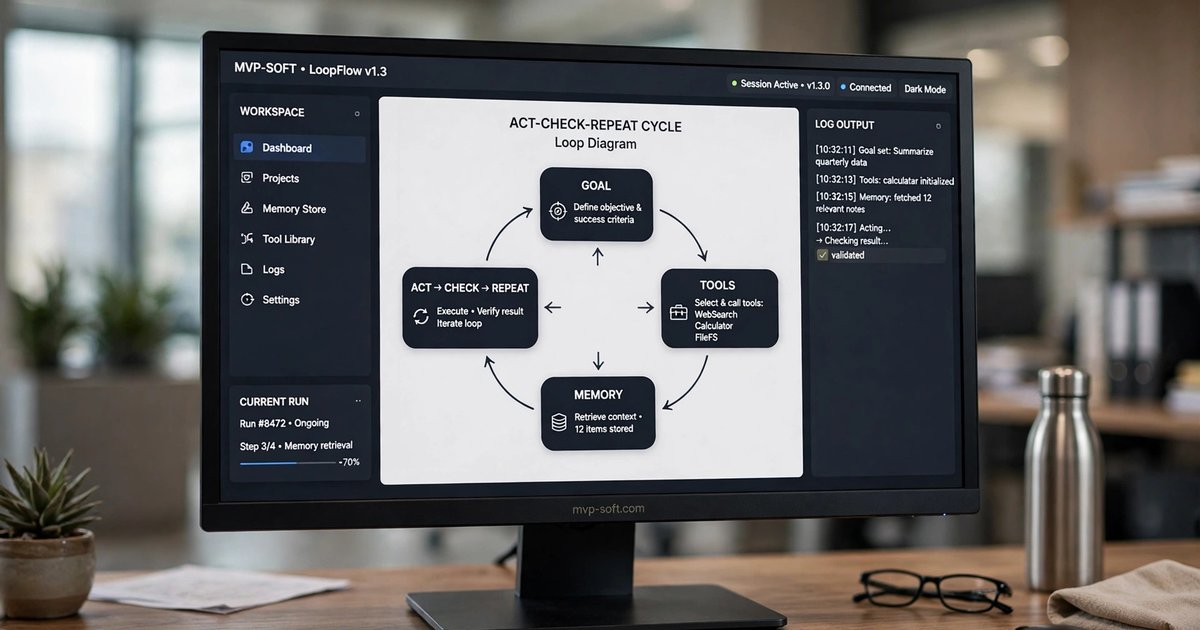
- AG-02: How an Agent Works: Goal, Tools, Memory, Loop
An agent is built from a clear goal, specific tools, a working record of what it has done, and a loop that acts, checks, and repeats. This article explains each part in plain language and shows why stop conditions and escalation are part of the design.
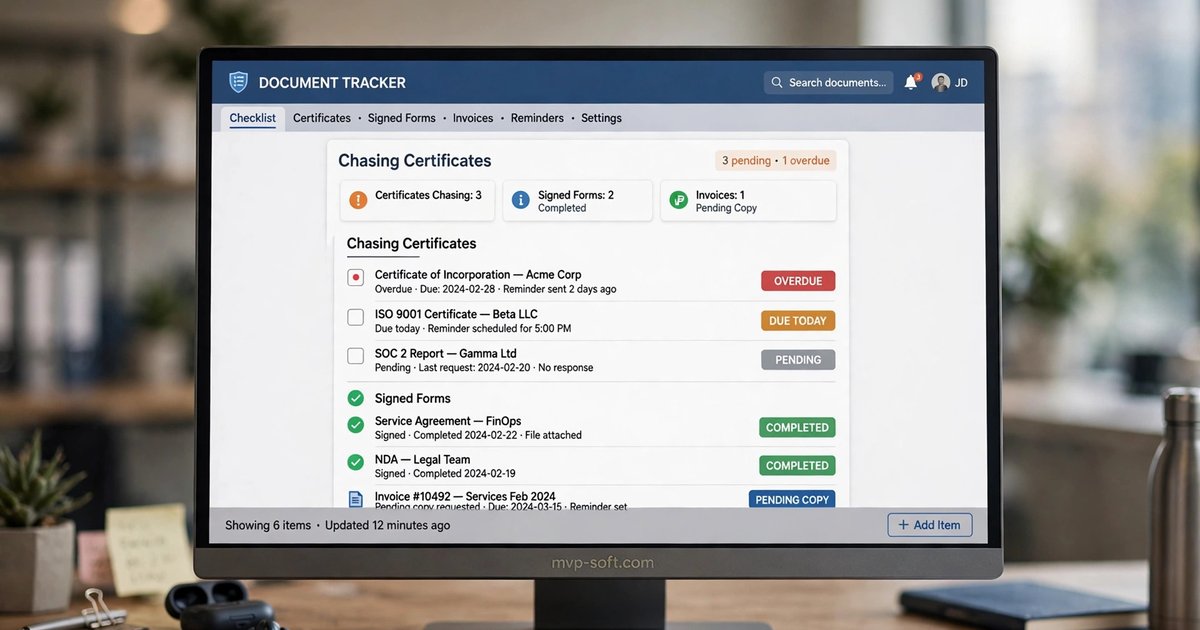
- AG-04: Example 1 of 2: Agents Chasing Paperwork
In this worked example, an agent watches for missing certificates, signed forms, and invoice copies, checks the agreed places, and sends a polite request when something is absent. It files what arrives, follows a calm reminder schedule, and gives a person the full history when the document does not come.
AG-03: Agents Need Boundaries
Part 3 of the Agents series. Part 2 gave the agent hands and a loop; this part sets the fence around both before the examples begin.
An agent without boundaries is an unsupervised employee with the company credit card.
The comparison is not meant to make agents sound human. It makes the management problem plain. Nobody sensible gives a new worker every password, unlimited spending authority, no spending record, and permission to contact anyone about anything. Software deserves the same discipline, especially because software can repeat an error quickly and consistently.
Boundaries are not a lack of trust in the technology. They are the job design.
Permission follows the task
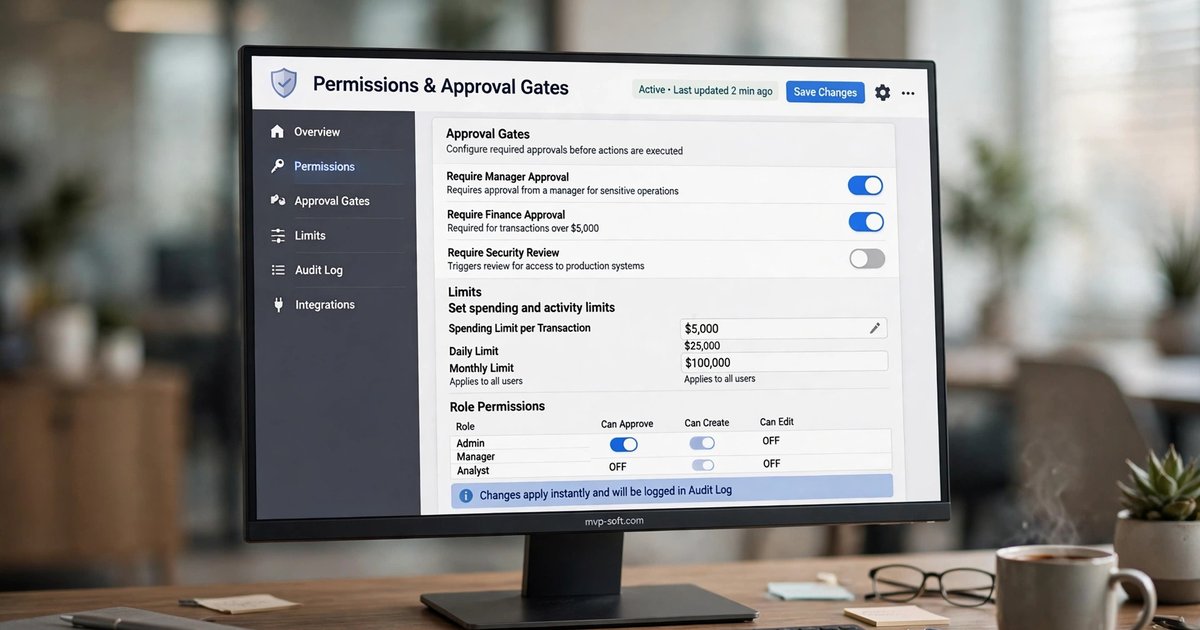
The first boundary is access. An agent should be able to read only the records its job requires and change only the fields it is meant to change. An agent that checks insurance certificates does not need payroll records. An agent that prepares customer updates does not need authority to alter prices.
Keep read and write access separate. Many useful agents only need to gather, compare, and prepare. A person can review the result before anything changes. Where the agent does write, start with low risk fields such as a status, a note, or a task assignment. Do not begin with payments, contracts, or messages that create commitments.
Limits turn a mistake into a small mistake
The second boundary is scale. Set limits for the number of messages, records, attempts, and actions in a period. Set spending limits where purchases or paid services are involved. Set a maximum delay before a case must be reviewed instead of retried.
Limits should match the work. A daily document check may need to review hundreds of records but send only a small number of requests. A reminder agent may be allowed one follow up, not five versions of increasing urgency. A research agent may read many pages but should not contact outside parties at all.
Approval points protect judgment
Some actions change the world outside the software: sending a message, approving a document, changing a customer record, paying a bill, or closing a case. Those are natural approval points.
Approval does not have to mean a manager reads every word. A company can approve a message template once, then let the agent fill in the name, document, and due date. It can allow routine updates automatically while holding anything unusual for review. It can require a person to approve the first run of a new job and sample later runs once the work proves reliable.
The principle is simple: the closer an action comes to money, legal exposure, safety, or a customer relationship, the closer a human should be to the decision.
Logs make the work inspectable
Every important action should leave a record: what the agent saw, which rule it applied, what tool it used, what changed, and what happened next. A short summary for a person is useful, but it is not a substitute for the underlying log.
If an agent cannot show its work, do not give it work that matters.
Start narrow
The safest rollout is a narrow job, a limited group of records, close observation, and a clear owner. Expand only after the logs show the agent handling the routine cases well and escalating the strange ones instead of guessing.
In the next part, those boundaries become practical as an agent watches for missing paperwork, asks for it politely, files what arrives, and brings a person in when the paper does not come.
Ten questions about how work actually moves through your operation. No call, no slide deck.
If you want a second opinion on a specific decision, that conversation is free.