- PR-01: What Is Prompting? The Instruction Behind the Answer
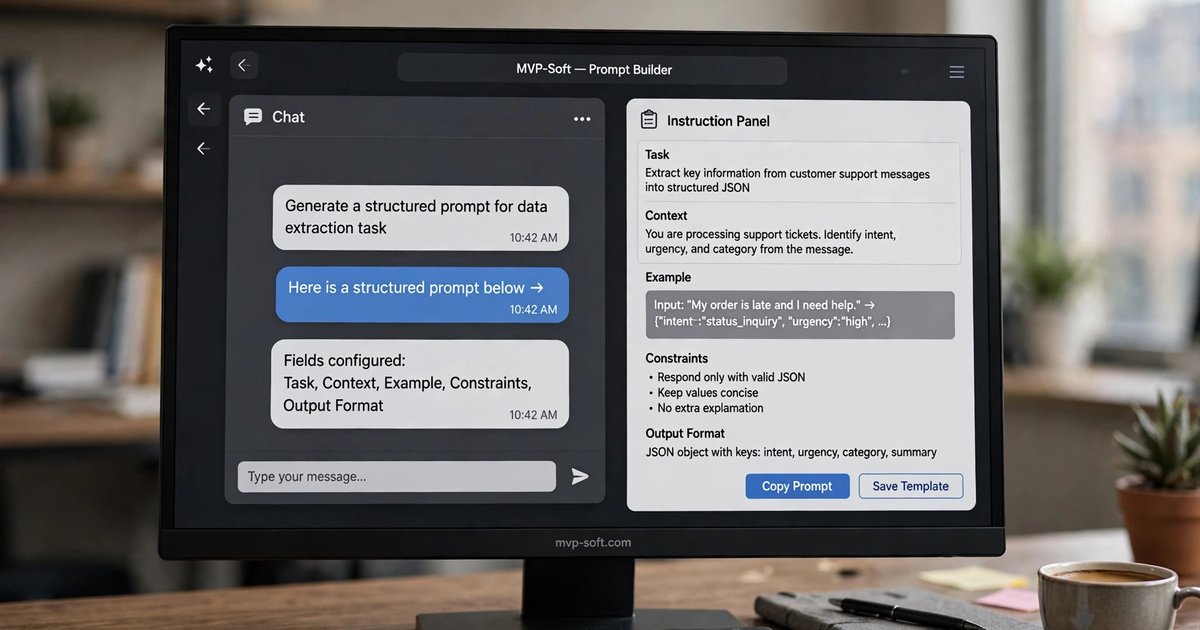
Prompting is not typing a question into a box. It is giving an instruction with five parts: the task, the context, an example, the constraints and the output shape. This opening part explains why the same AI tool gives one person gold and another person mush.
- PR-02: Prompting, Step by Step
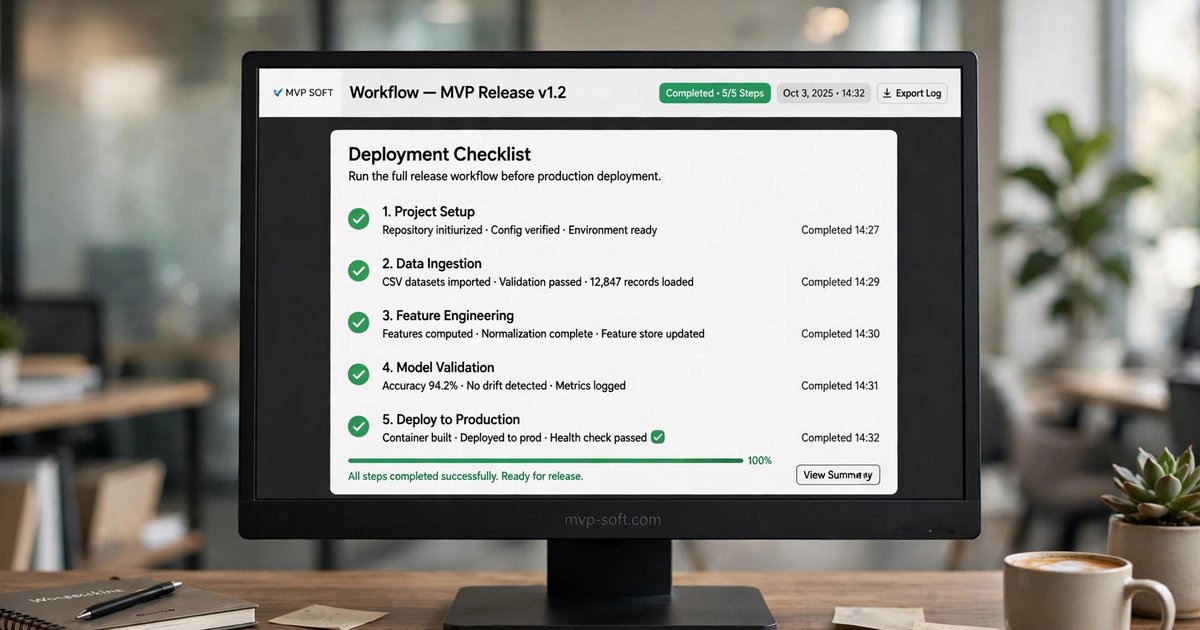
A working method in five moves: brief, context, example, format, check. One ordinary task, a supplier email thread before a difficult call, is run through all five moves so you can see what each one changes in the result.
- PR-03: Write Prompts Like Work Instructions
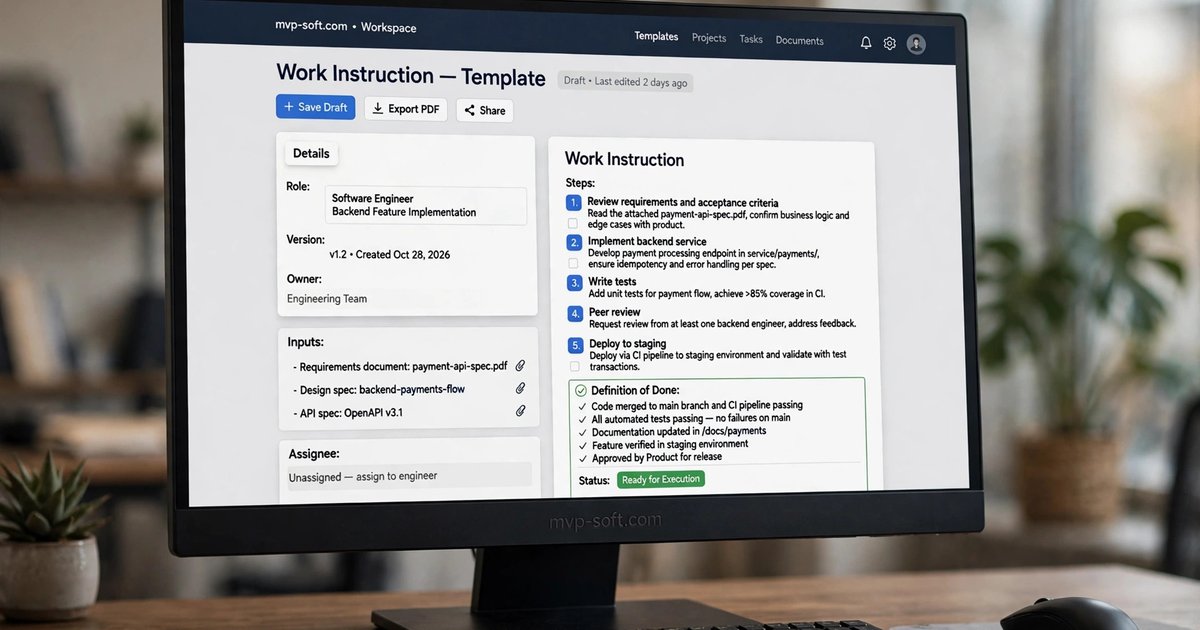
A prompt is a work instruction for a very fast, very literal new hire. This part shows how to write one properly: role, inputs, steps, a clear definition of done, and an explicit instruction for what to do when unsure.
The Bridge
/ Technology & AI
PR-05: When a Better Prompt Will Not Save You

Part 5 of the Prompting series. The first four parts showed how far a well written instruction takes you. This part is the honest one: where prompting stops, and why the next step in the chain exists.
Limit 1: It cannot know what it cannot see
Ask an AI tool about your own return policy, your largest customer's contract terms, or what was agreed in March, and it will answer fluently whether or not it has any of that in front of it. A better prompt can make it more careful. It cannot give it knowledge it does not have.
This is the most common disappointment we see: a team writes better and better prompts, expecting the answers about their own company to improve, and they do not, because the missing ingredient was never wording. It was access.
Limit 2: Pasting is not a system
The usual workaround is to paste the document into the chat. That works once, for one document, for one person. It fails the moment the real question needs twenty contracts, a year of invoices, or the current version of a file that changed yesterday. Nobody can paste a filing cabinet, and nobody should have to.
Limit 3: A prompt cannot fix a broken process
If three departments keep three versions of the same customer record, the AI will summarize whichever version it is shown, confidently. Prompting polishes the answer; it does not repair the mess underneath. When the underlying process or data is broken, the honest move is to fix that first, and no sentence addressed to a chatbot changes it.
Limit 4: It does not stay careful on its own
Instructions fade over a long conversation, sources get mixed, and last week's careful setup is gone in a new chat. A prompt is a moment of discipline, not a permanent guardrail. Anything your business depends on needs more structure around it than one well written paragraph.
Where RAG enters
This limit is exactly why RAG is the second step in the agentic workflow, right after prompting. RAG changes what the AI answers from. Instead of relying on what it was trained on or what you pasted, the system first searches your own documents, then writes the answer from what it found, with the sources attached so a person can check.
Prompting still matters there. A clear question gets a better search and a better answer. But the facts now come from your contracts, manuals and records, not from the model's memory. The instruction shapes the answer; the documents make it true.
If you have not read it, our RAG series on The Bridge walks that step end to end: what RAG is, how it works, where it fails, and whether it is safe for company documents. It is the natural next read after this one.
One part remains in this series. Prompts written with the care of Parts 1 to 4 are valuable, and valuable things should not live and die inside one person's chat window. Part 6 is about keeping them.
Try this first
Free operational clarity check
Ten questions about how work actually moves through your operation. No call, no slide deck.
Talk to us
Talk to Us
If you want a second opinion on a specific decision, that conversation is free.
Related