- PR-02: Prompting, Step by Step
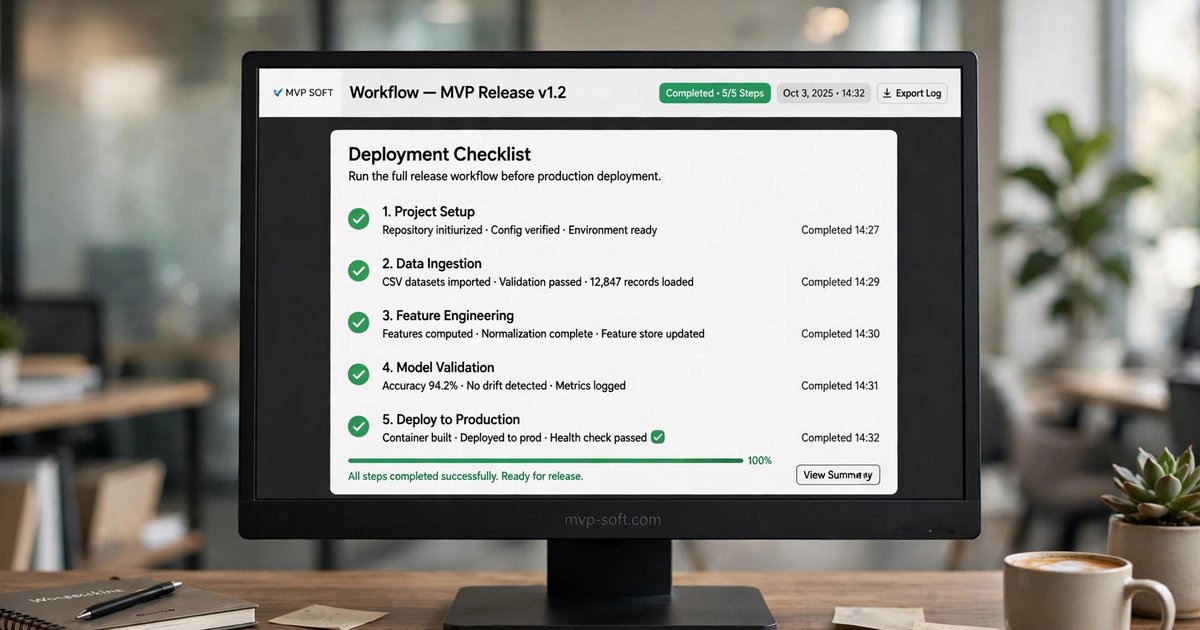
A working method in five moves: brief, context, example, format, check. One ordinary task, a supplier email thread before a difficult call, is run through all five moves so you can see what each one changes in the result.
- PR-03: Write Prompts Like Work Instructions
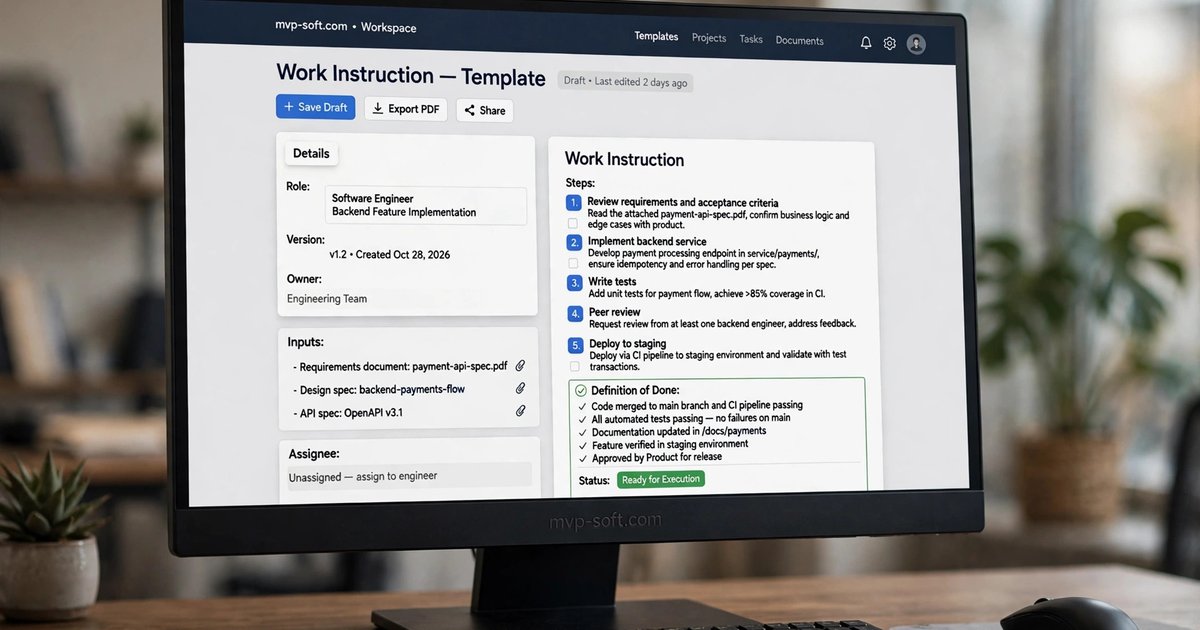
A prompt is a work instruction for a very fast, very literal new hire. This part shows how to write one properly: role, inputs, steps, a clear definition of done, and an explicit instruction for what to do when unsure.
- PR-04: Prompting at Work: Email, Reports and Meeting Notes
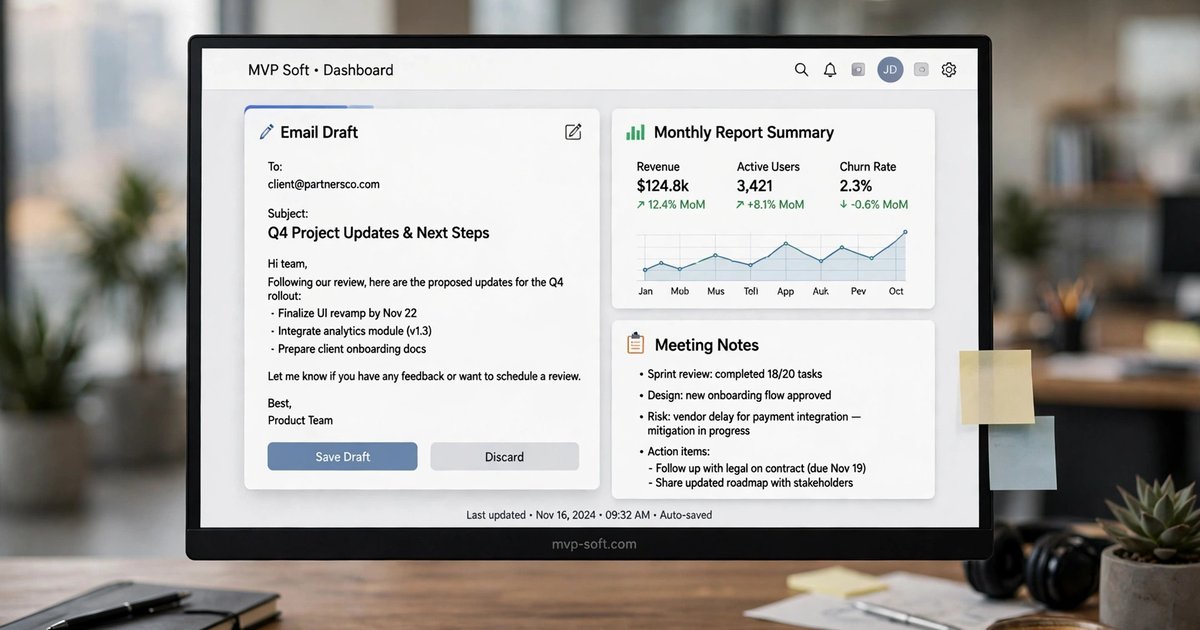
Three everyday tasks shown twice, weak prompt first and then the same prompt written properly: a difficult customer email, a monthly report summary, and raw meeting notes. The difference in the output is the difference the instruction makes.
The Bridge
/ Technology & AI
PR-01: What Is Prompting? The Instruction Behind the Answer
Part 1 of the Prompting series. This is the first step in the full agentic workflow, ahead of RAG, agents, evaluation and orchestration, because everything that follows starts with how you ask.
The same tool, two very different results
Two people in the same company open the same AI tool on the same morning. One gets a summary sharp enough to forward to a customer. The other gets three paragraphs of warm mush that say almost nothing, and quietly decides the tool is overrated.
The tool did not change between them. The instruction did.
Most people treat prompting as typing a question into a box. It is not. A question invites the AI to guess what you probably want. A prompt, done properly, is an instruction: it tells the AI what to do, what to use, and what the finished thing should look like. That difference is the whole subject of this series.
The five parts of a real instruction
A good prompt has the same parts as a good work order.
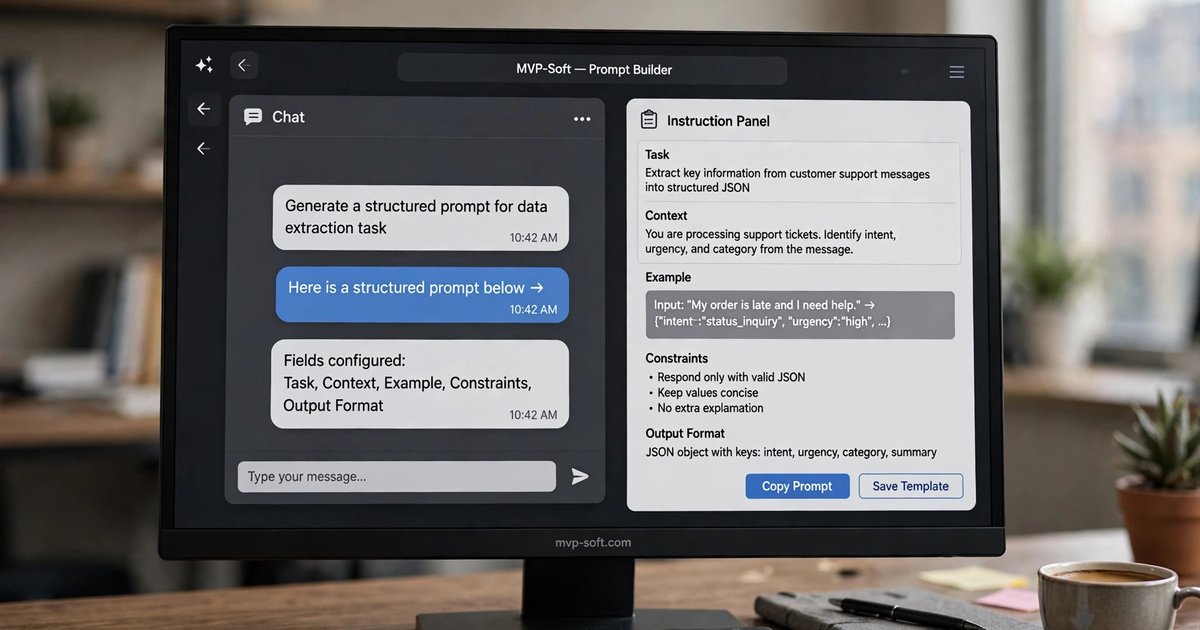
The task. Say exactly what you want done. Not “help with this report” but “summarize this report in five bullet points for a manager who has not read it.”
The context. Give the background the AI cannot know on its own. Who is this for, why does it matter, what happened before this document landed on your desk.
An example. One example of the output you want is worth a paragraph of describing it. Show a summary in the style you like, and the AI will match the shape far better than it matches adjectives like “professional” or “concise.”
The constraints. What to leave out, what to avoid, what it must never do. “Use only numbers that appear in the document. If a number is missing, say so instead of estimating.”
The output shape. Length, format, order. Bullets or paragraphs, a table or a list, shortest first or most important first. If you do not choose the shape, the AI chooses one for you, and it rarely chooses yours.
Why the mush happens
When those five parts are missing, the AI fills the gaps with the most average answer it can produce. Average audience, average tone, average level of detail. That is why vague prompts sound like they were written by nobody in particular: in a sense, they were.
This is also why prompting is a work skill and not a trick. There is no magic sentence. There is the same discipline you would use handing work to a person: be specific, give the background, show what good looks like, set the limits, and say how you want it back.
Where this series goes
Over the next five parts we will build the skill in order. Part 2 turns the five parts into a step by step working method and runs one real task through it. Later parts treat prompts as work instructions, show them on everyday office work, admit honestly where prompting stops working, and end with why your best prompts belong to the company, not to one person's chat history.
Start there: take the last mushy answer you got from an AI tool, and check which of the five parts your instruction was missing. Part 2 shows how to put them in, one move at a time.
Try this first
Free operational clarity check
Ten questions about how work actually moves through your operation. No call, no slide deck.
Talk to us
Talk to Us
If you want a second opinion on a specific decision, that conversation is free.
Related