- PR-01: What Is Prompting? The Instruction Behind the Answer
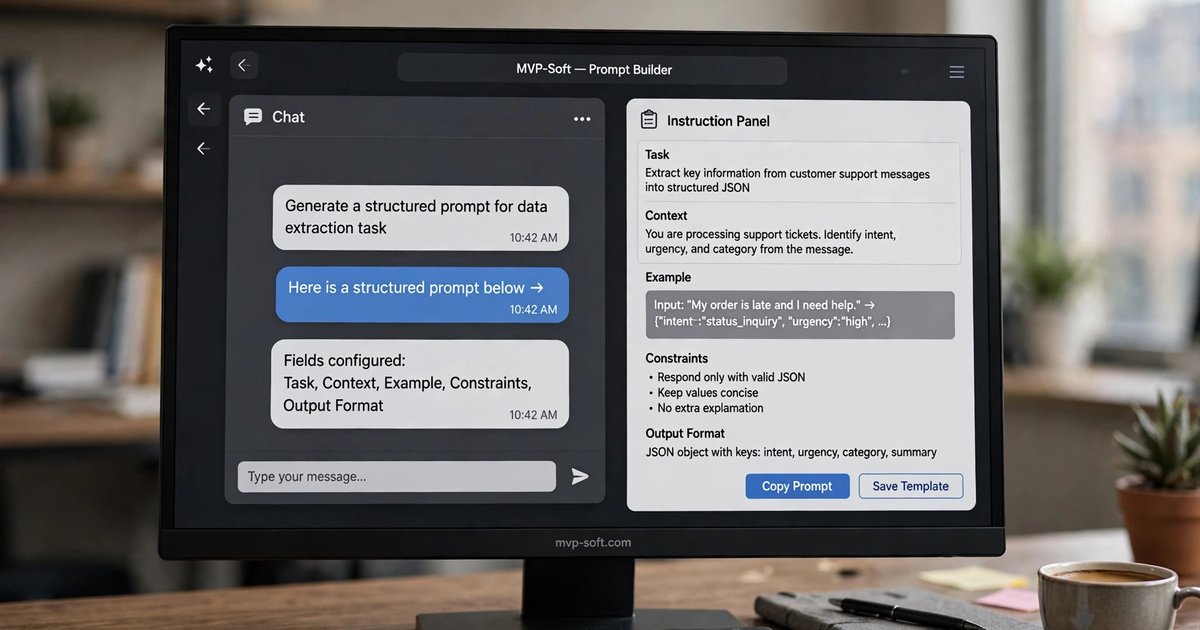
Prompting is not typing a question into a box. It is giving an instruction with five parts: the task, the context, an example, the constraints and the output shape. This opening part explains why the same AI tool gives one person gold and another person mush.
- PR-02: Prompting, Step by Step
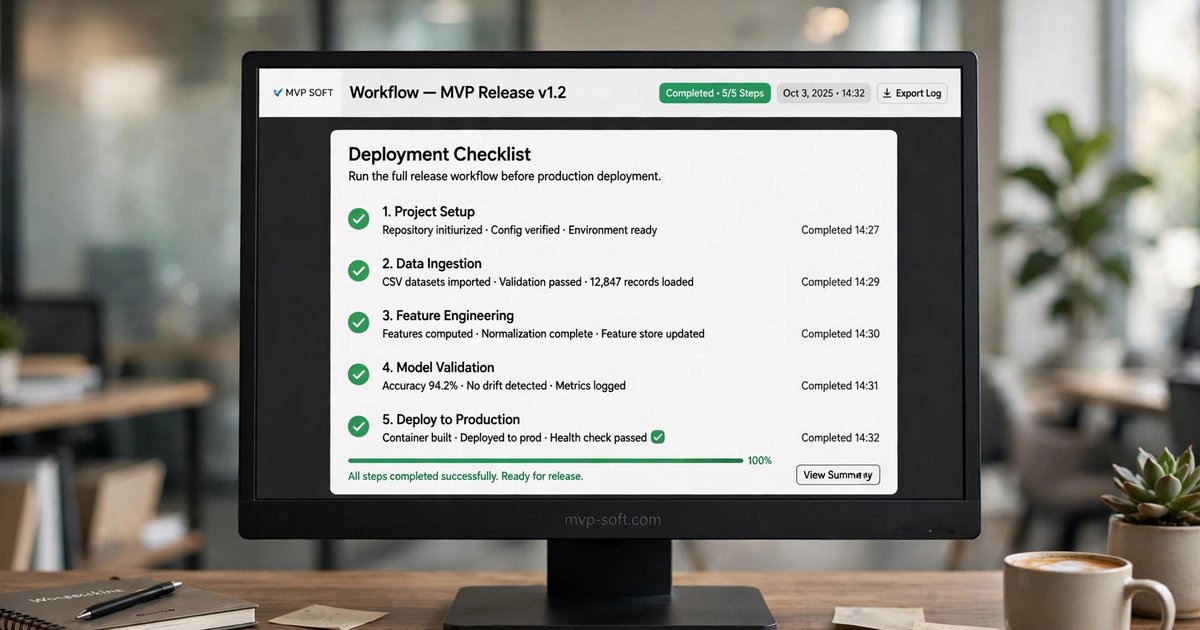
A working method in five moves: brief, context, example, format, check. One ordinary task, a supplier email thread before a difficult call, is run through all five moves so you can see what each one changes in the result.
- PR-04: Prompting at Work: Email, Reports and Meeting Notes
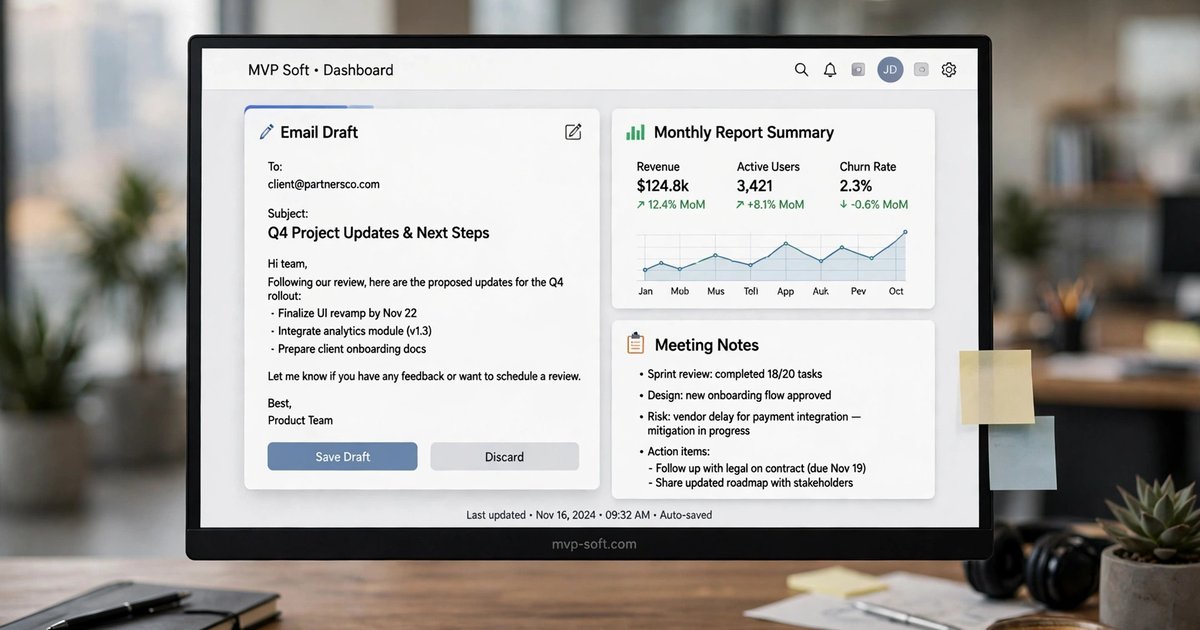
Three everyday tasks shown twice, weak prompt first and then the same prompt written properly: a difficult customer email, a monthly report summary, and raw meeting notes. The difference in the output is the difference the instruction makes.
The Bridge
/ Technology & AI
PR-03: Write Prompts Like Work Instructions
Part 3 of the Prompting series. Part 2 gave a five move method for a single task. This part makes the method permanent: write the prompt once, the way you would write a work instruction, and reuse it.
Think of a very unusual new hire
Imagine a new employee who reads everything in seconds, writes clean first drafts, and never gets tired. Now the catch. This employee is extremely literal, has no memory of how your company does things, and would rather invent a plausible answer than admit a gap.
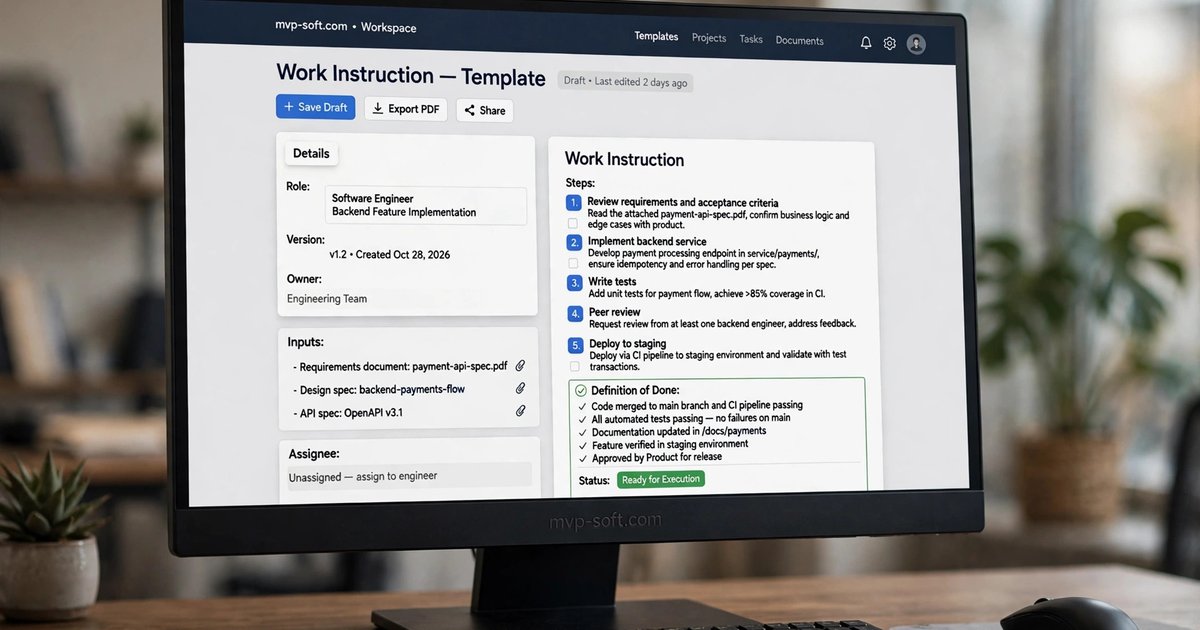
That is a fair picture of an AI tool, and it dictates how you should write for it. You would never hand that new hire a folder and say “handle it.” You would write an instruction. A prompt deserves the same care, because a prompt is a work instruction, just one that a machine reads.
The five parts of the instruction
Role. Tell it what seat it is sitting in. “You are preparing a brief for an operations manager” produces different choices than “you are writing marketing copy.” Role sets the standard the work is judged by.
Inputs. Name exactly what it may use. “Work only from the three documents below” is an instruction. Pasting material in without saying what it is for leaves the AI to guess which parts matter.
Steps. Give the order of work, not just the destination. “First pull out every date. Then list anything that changed between the first and last version. Then write the summary.” Steps stop the AI from jumping straight to fluent prose built on a skim.
Definition of done. Say what finished looks like. The length, the sections, what must be present, what must be absent. If done is not defined, the AI decides, and its idea of done is “sounds complete,” which is not the same thing.
When unsure. This is the part almost nobody writes, and it matters most. “If a figure is missing, write ‘not stated’ instead of estimating. If two documents disagree, report both values and name the documents.” An instruction for uncertainty is what turns a confident guesser into a careful assistant.
Why this beats clever wording
People hunt for magic phrasing, the one sentence that unlocks better answers. It rarely exists. What exists is the same truth you already know from standard operating procedures: clear instructions, given the same way every time, produce consistent work from anyone, or anything, that follows them.
The other advantage is that an instruction can be improved. When an output disappoints, you can point at the exact line of the prompt that failed: the input was not bounded, the done state was not defined, the unsure case was not covered. Fix that line, and every future run improves. A vague prompt can only be replaced by another vague prompt and a fresh roll of the dice.
Write it once, use it all year
Any task you prompt for twice deserves this treatment. Weekly report, meeting summary, quote comparison, invoice check: write the instruction properly once, save it, and the quality stops depending on your mood or your memory on a given morning.
Part 4 puts this to work on the three tasks that fill most office days: the email you do not want to write, the report nobody has time to read, and the meeting notes scattered after every call.
Try this first
Free operational clarity check
Ten questions about how work actually moves through your operation. No call, no slide deck.
Talk to us
Talk to Us
If you want a second opinion on a specific decision, that conversation is free.
Related