- AG-01: What Is an AI Agent? Software That Takes the Next Step
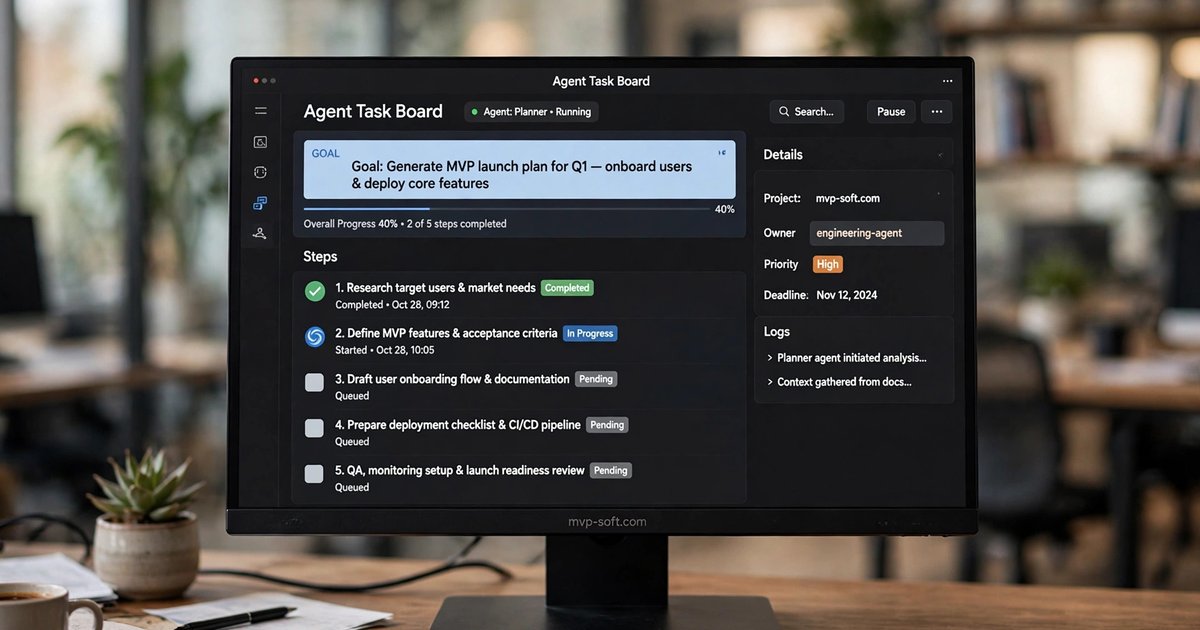
A chatbot gives an answer, while an AI agent works toward a defined outcome across several steps. This article explains how an agent uses instructions, company facts, and tools to act, and why a person still owns the goal and the result.
- AG-02: How an Agent Works: Goal, Tools, Memory, Loop
An agent is built from a clear goal, specific tools, a working record of what it has done, and a loop that acts, checks, and repeats. This article explains each part in plain language and shows why stop conditions and escalation are part of the design.
- AG-03: Agents Need Boundaries
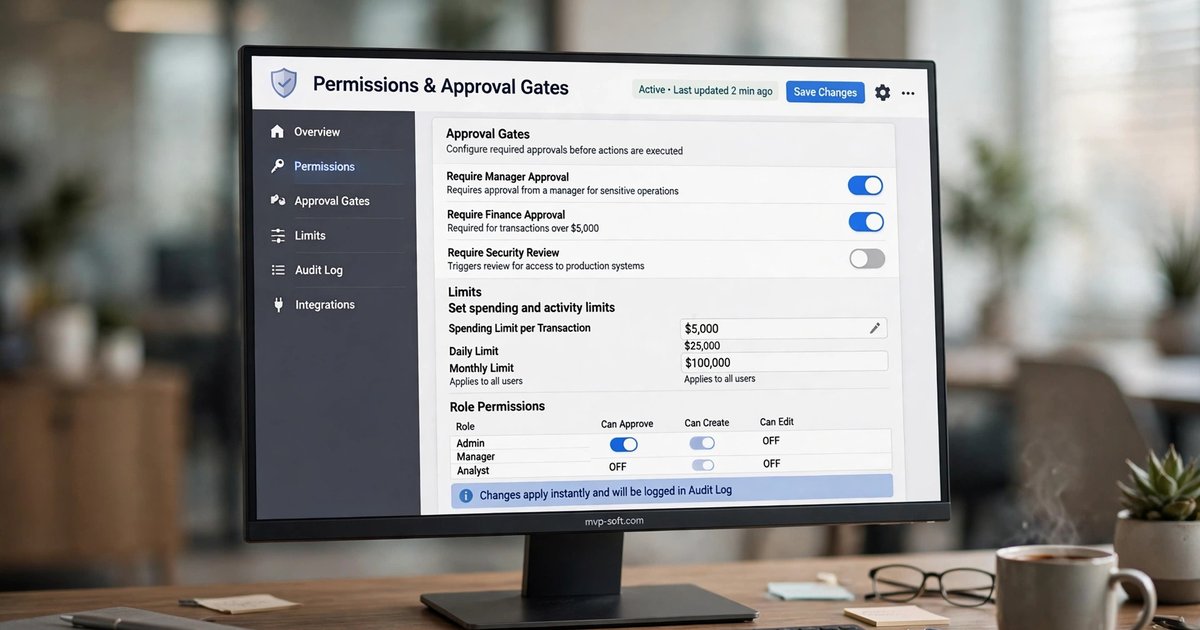
Useful agents need permission limits, action limits, approval points, and logs that show exactly what happened. This article explains how those boundaries keep a mistake small and let a company expand an agent's work only after it proves reliable.
- AG-04: Example 1 of 2: Agents Chasing Paperwork
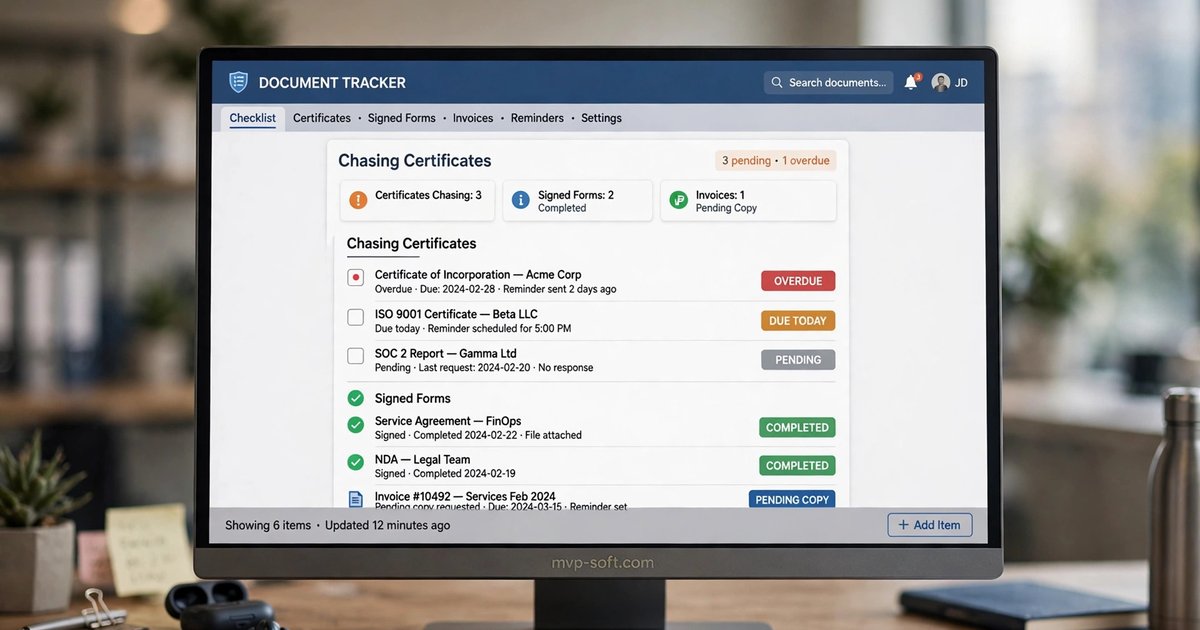
In this worked example, an agent watches for missing certificates, signed forms, and invoice copies, checks the agreed places, and sends a polite request when something is absent. It files what arrives, follows a calm reminder schedule, and gives a person the full history when the document does not come.
- AG-05: Example 2 of 2: Agents and the Exception Queue
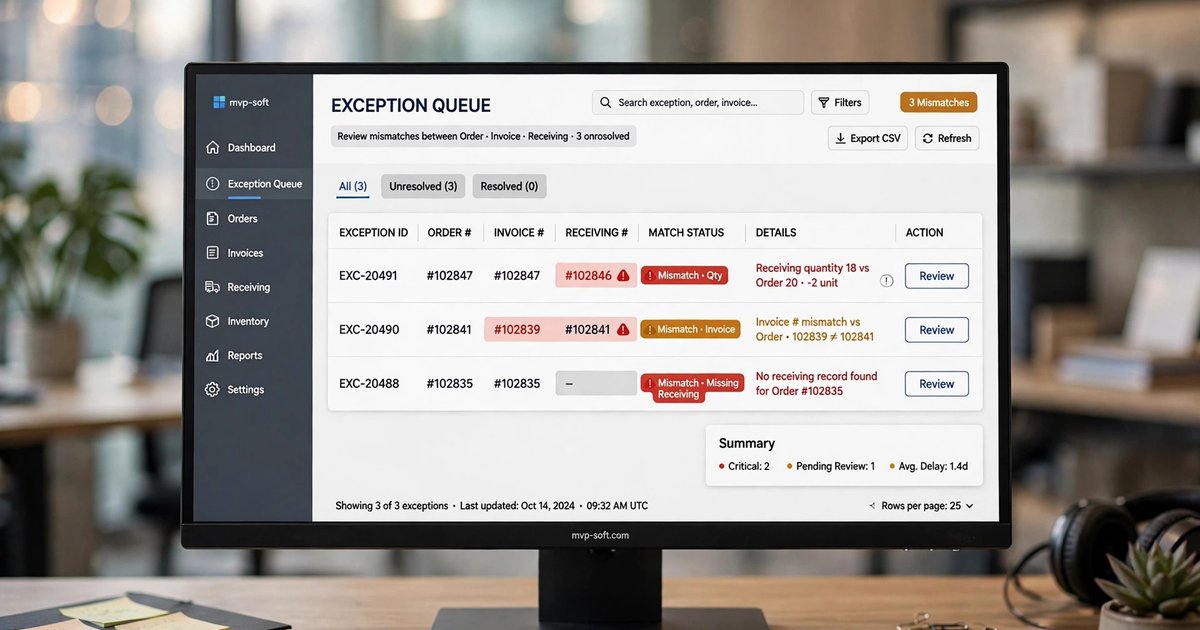
When orders, invoices, and receiving records disagree, an agent can gather the evidence and state the mismatch plainly. It resolves only clerical cases covered by written rules and queues the rest for a person with the full packet in one place.
- AG-06: When an Agent Gets It Wrong
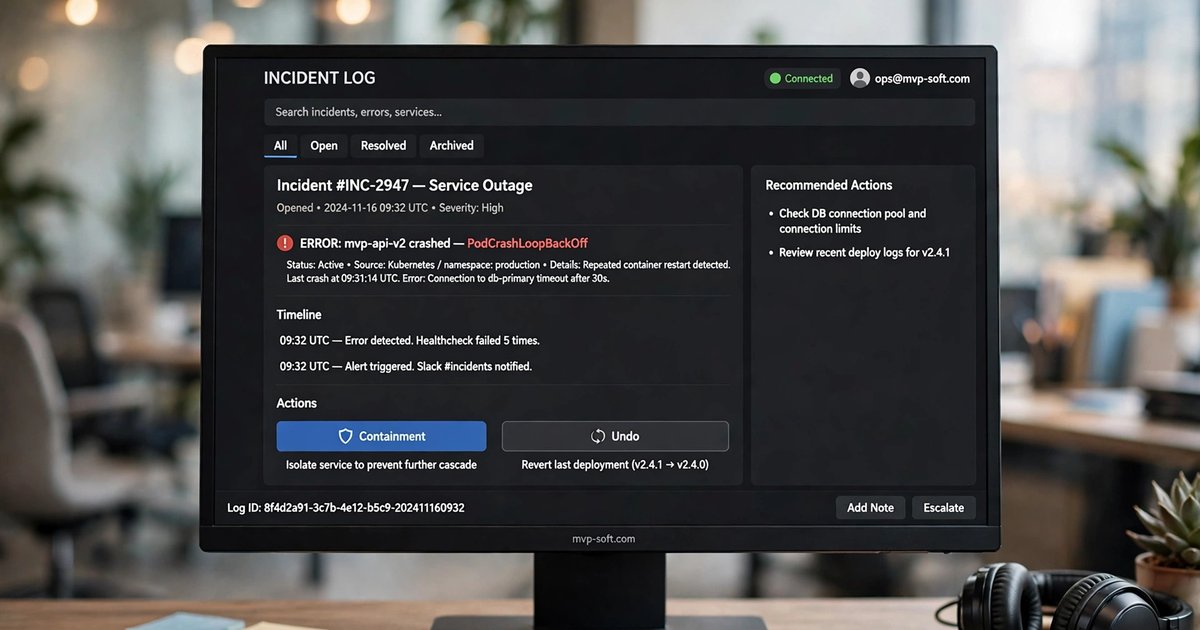
Agents can choose the wrong record, repeat a failing loop, or state an uncertain conclusion with too much confidence. This article explains containment, logs, undo, and recovery, and why Evaluation comes next as the step that grades whether an agent's work deserves trust.