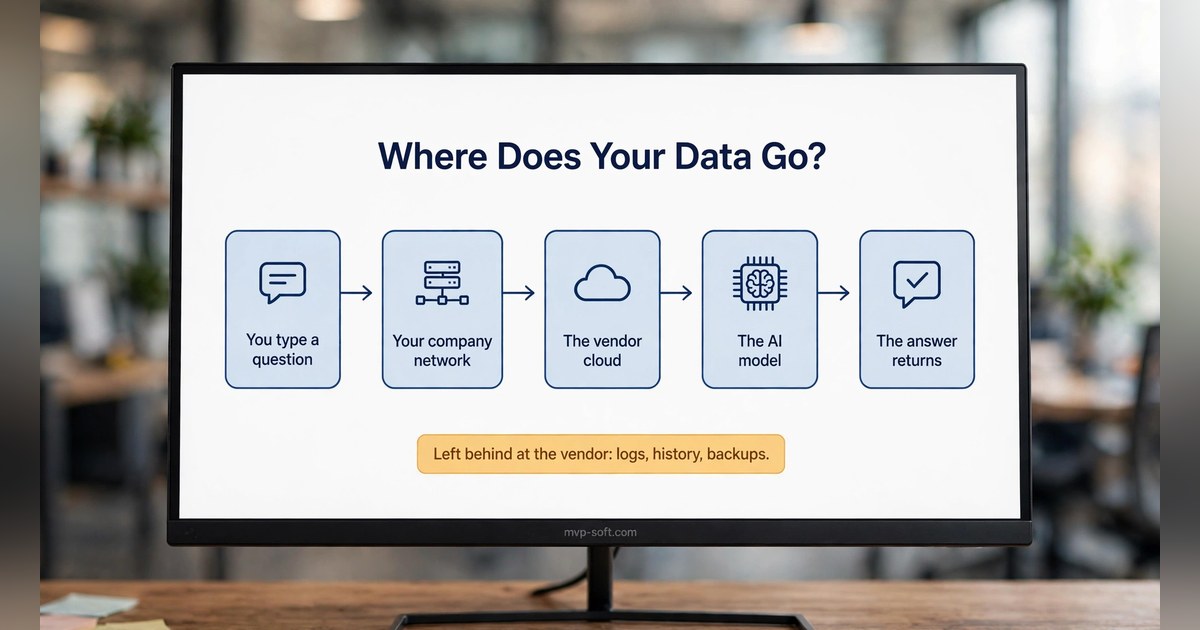
- D&S-01: Where Does Your Data Go When You Use AI?
You type a question into an AI tool. Where does that text actually travel, who can see it, and how long do they keep it? A plain map of the journey your data takes.
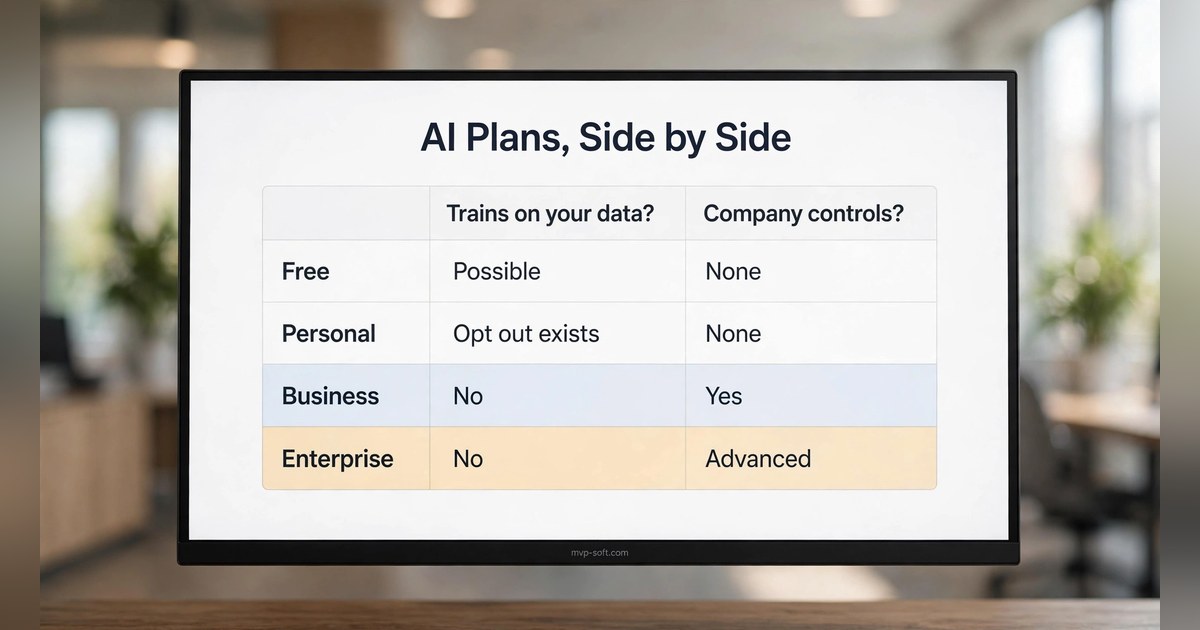
- D&S-02: Free, Business, Enterprise: What an AI License Actually Buys You
The price is the least interesting difference between AI plan tiers. What actually changes is whether your data trains the model, how long it is kept, and who controls the account.
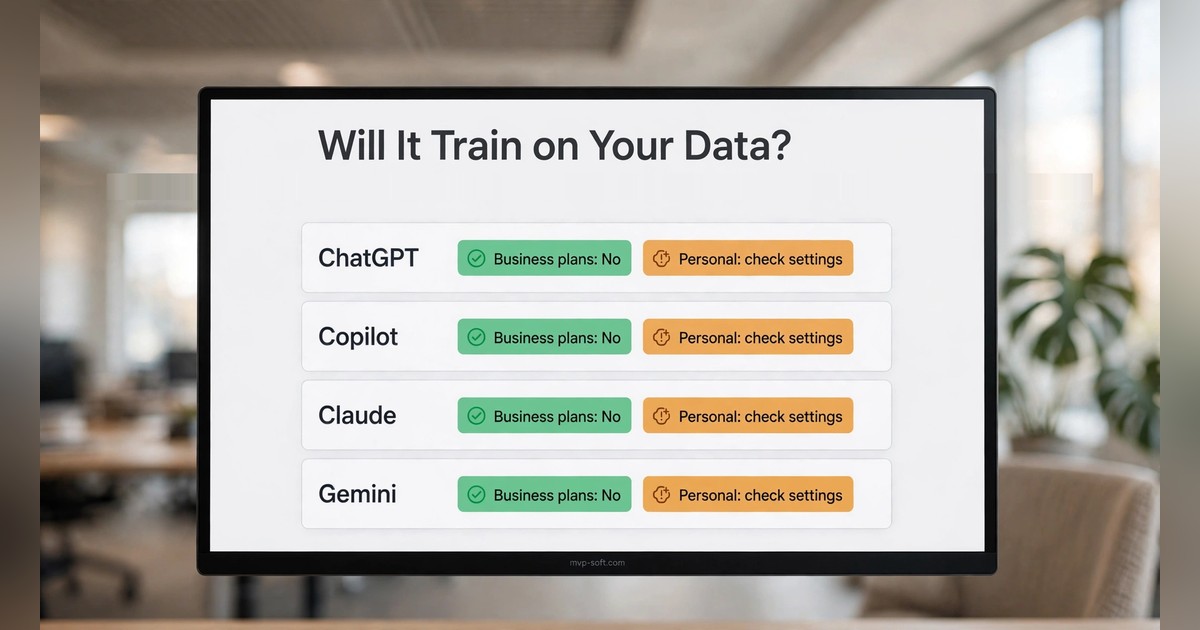
- D&S-03: Will It Train on Your Data?
The question every owner asks, answered vendor by vendor: ChatGPT, Copilot, Claude and Gemini, personal accounts against business ones, in plain words.
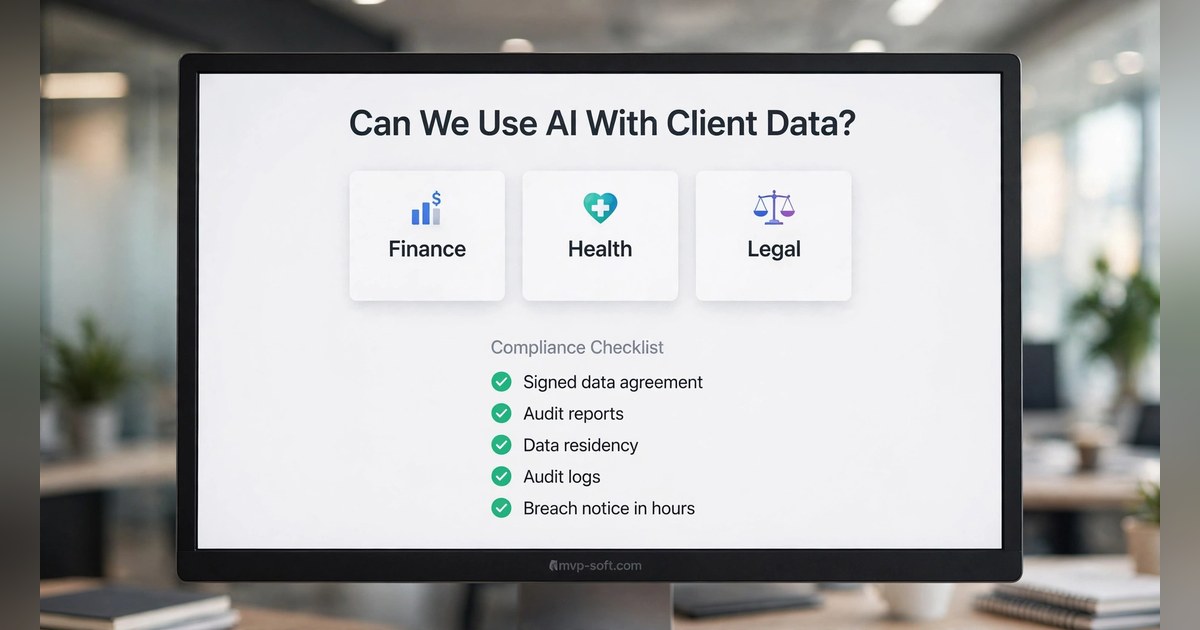
- D&S-04: AI in Regulated Industries: Finance, Health, Legal
Some companies cannot afford a vague answer about AI safety. What regulated firms actually need from a vendor: the right agreement, audit reports, residency, and proof, not promises.
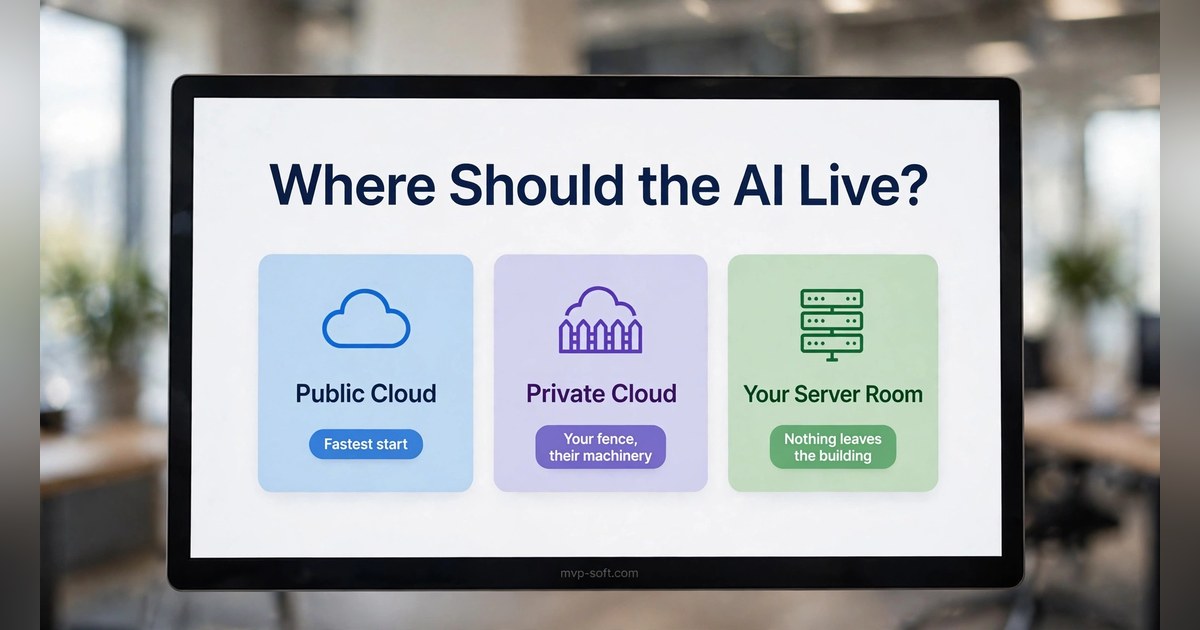
- D&S-05: Cloud, Private Cloud, or Your Own Server?
Where the AI lives decides who holds your data, what it costs, and who maintains the machinery. Three honest options, with the tradeoffs nobody puts in the brochure.
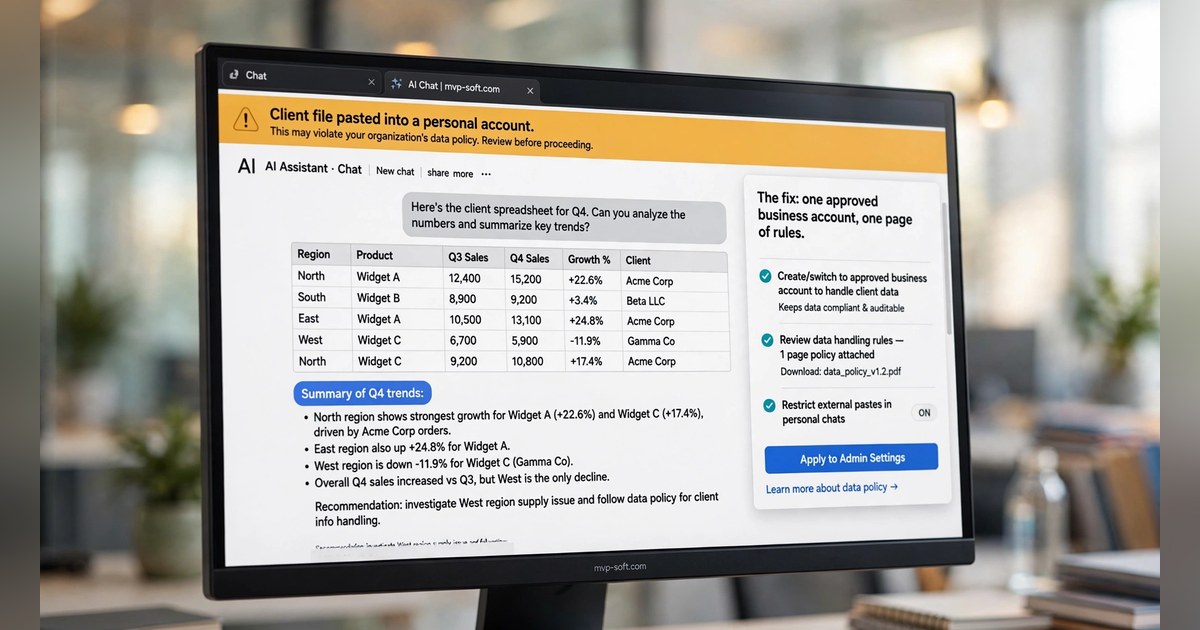
- D&S-06: The Real Leak Is Your Team's Browser
The biggest AI data risk in most companies is not a hacker. It is a good employee, in a hurry, pasting client text into a free tool. How to fix the habit without banning the help.
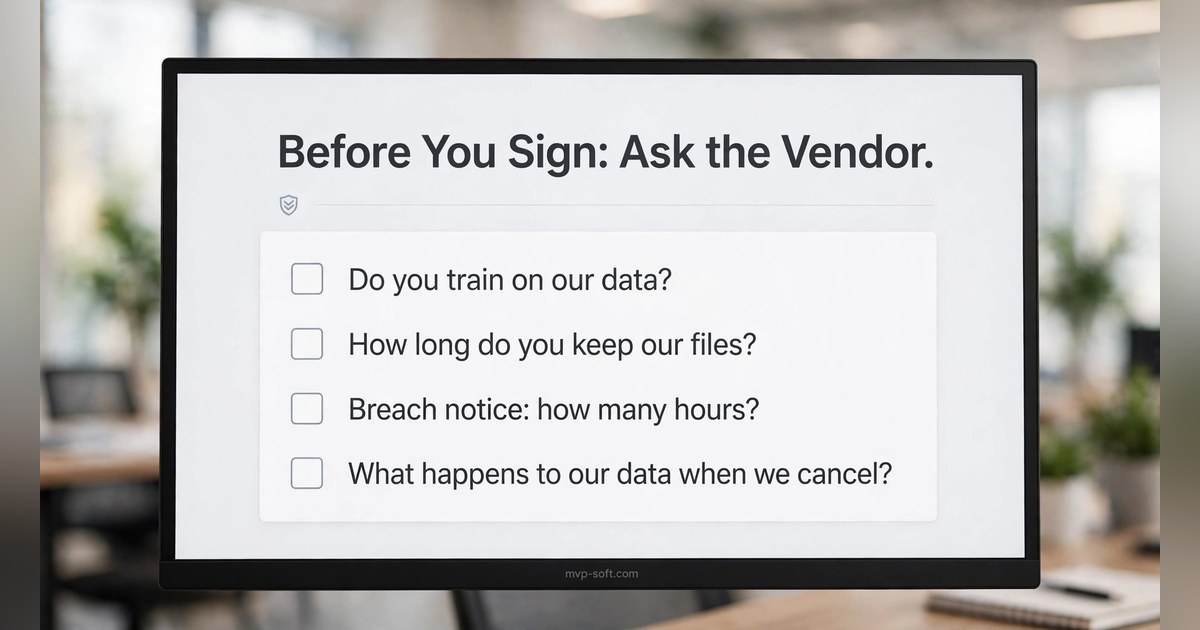
- D&S-07: Twelve Questions to Ask Any AI Vendor Before You Sign
A checklist for the meeting before the contract: training, retention, subprocessors, residency, audit logs, breach notice, and what happens to your data when you leave.
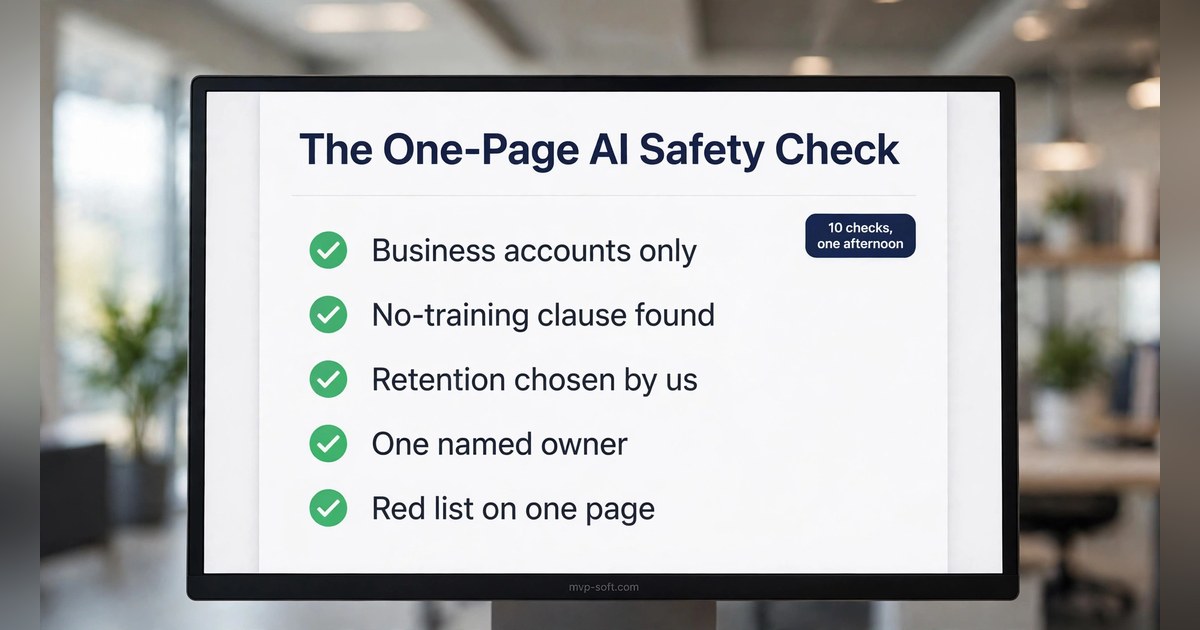
- D&S-08: The One-Page AI Safety Check
The series in one page: ten checks any company can run in an afternoon to know where it stands with AI and data, and what to fix first.
THE BRIDGE
We’re the bridge between people and technology.
Notes on operations, people, and technology.
Technology & AI
23 publishedWhat is real and what is not, in plain language.
- PR-01: What Is Prompting? The Instruction Behind the Answer
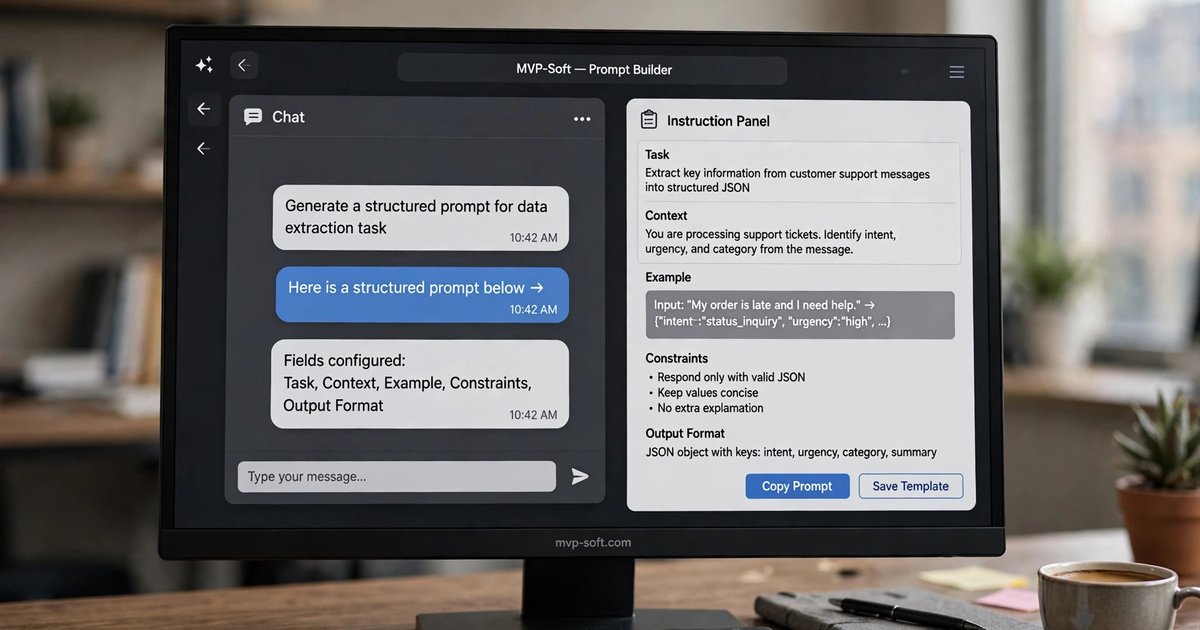
Prompting is not typing a question into a box. It is giving an instruction with five parts: the task, the context, an example, the constraints and the output shape. This opening part explains why the same AI tool gives one person gold and another person mush.
- PR-02: Prompting, Step by Step
A working method in five moves: brief, context, example, format, check. One ordinary task, a supplier email thread before a difficult call, is run through all five moves so you can see what each one changes in the result.
- PR-03: Write Prompts Like Work Instructions
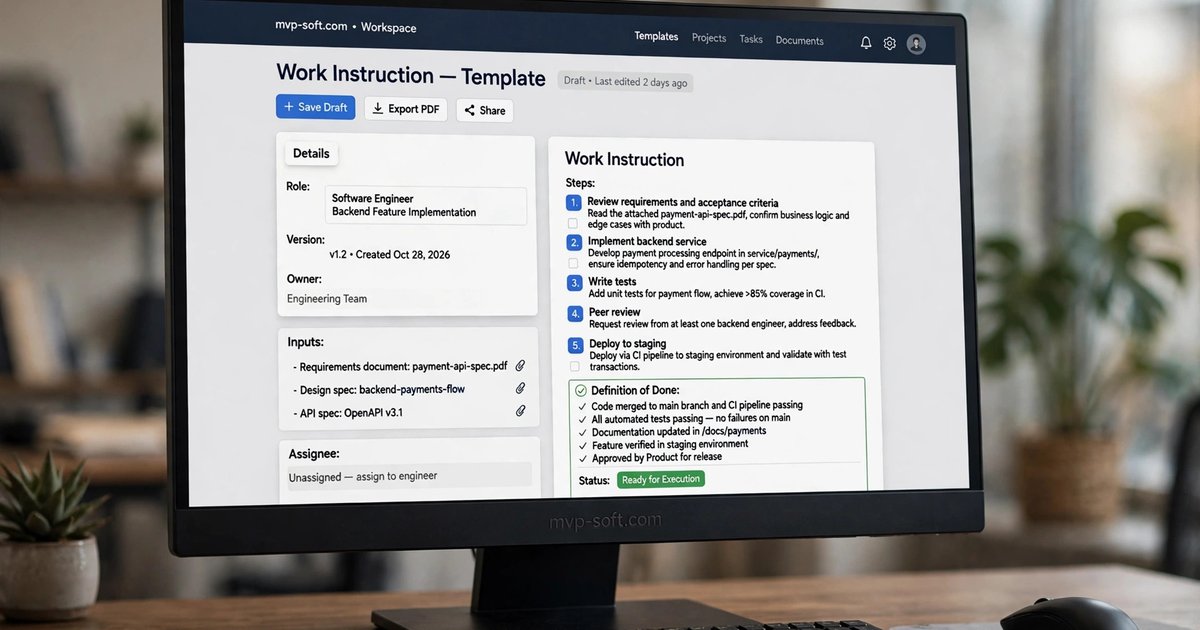
A prompt is a work instruction for a very fast, very literal new hire. This part shows how to write one properly: role, inputs, steps, a clear definition of done, and an explicit instruction for what to do when unsure.
- PR-04: Prompting at Work: Email, Reports and Meeting Notes
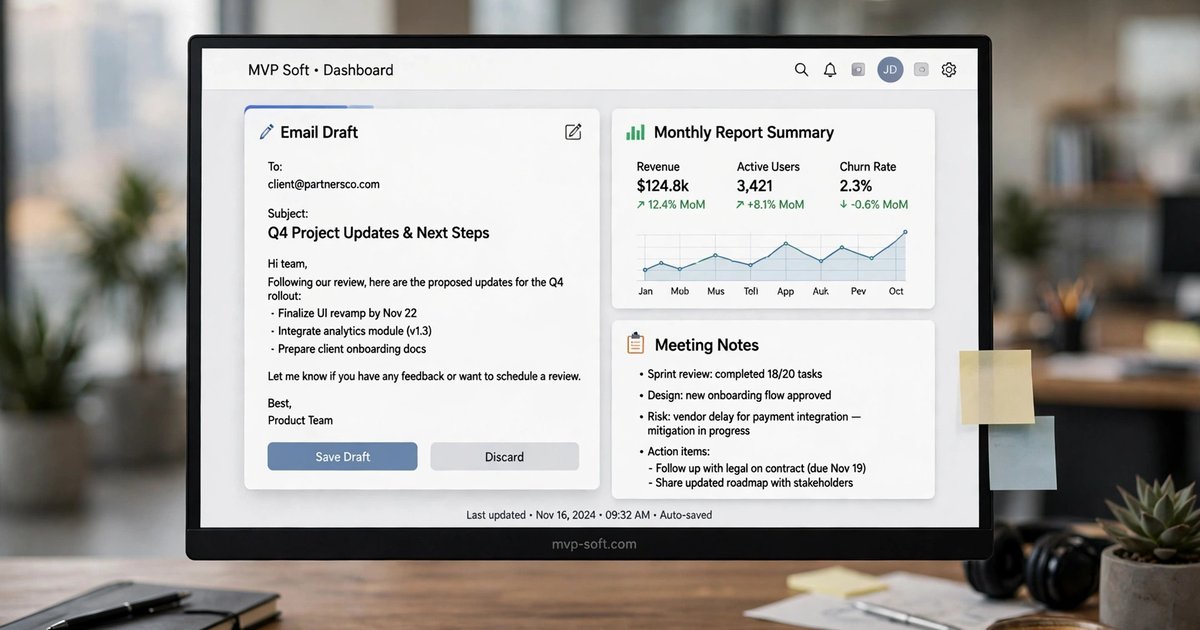
Three everyday tasks shown twice, weak prompt first and then the same prompt written properly: a difficult customer email, a monthly report summary, and raw meeting notes. The difference in the output is the difference the instruction makes.
- PR-05: When a Better Prompt Will Not Save You
The honest limits of prompting: the AI cannot invent facts it cannot see, cannot read your files, and cannot fix a broken process. This is where RAG enters, the next step in the chain, which lets the AI answer from your own documents instead of its memory.
- PR-06: Prompts Are Company Assets
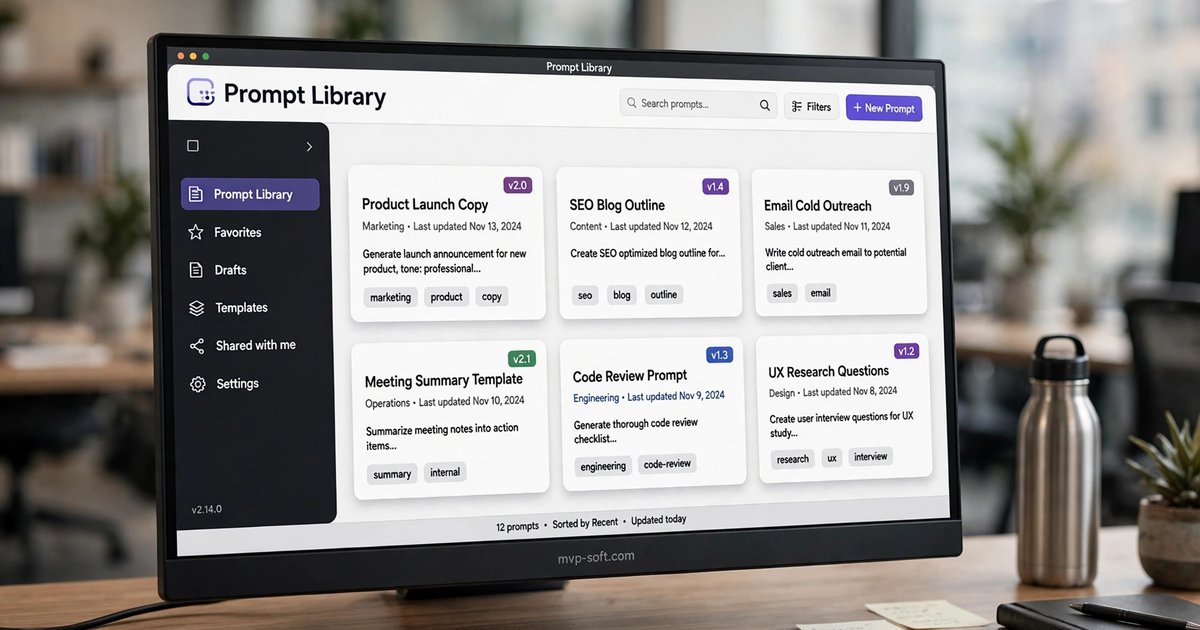
A good prompt locked in one person's chat history is knowledge in one head. This closing part covers prompt libraries, templates, versioning and ownership, and points forward to agents, where a saved prompt starts taking steps on its own.
- RAG-01: What Is RAG?
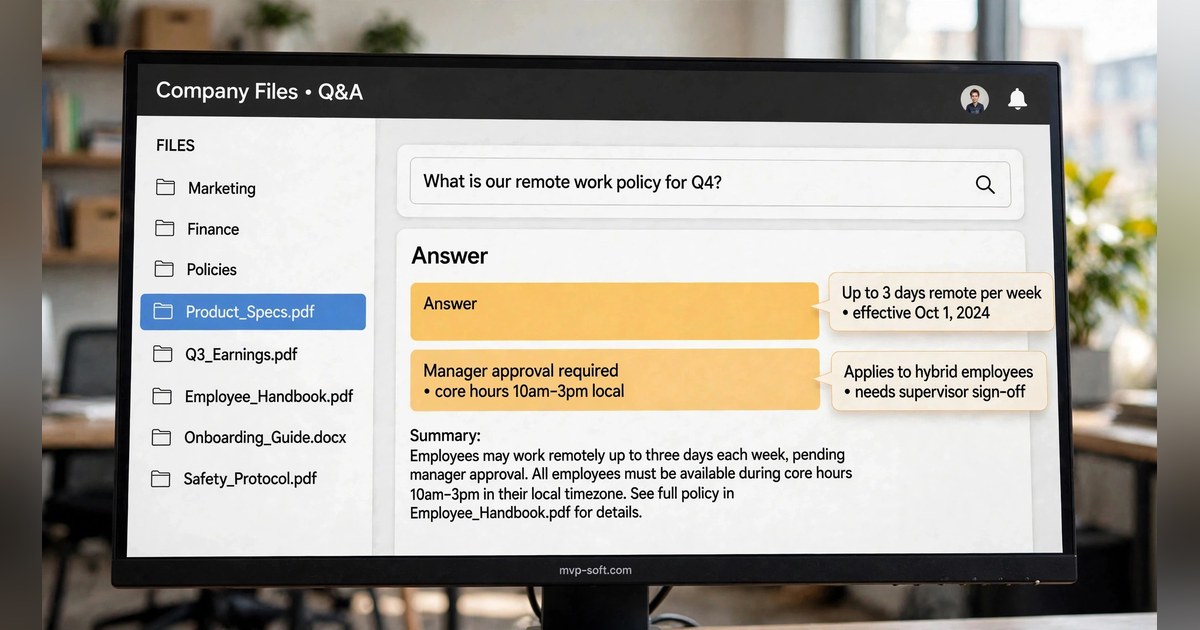
A plain explanation of RAG: the AI stops guessing from memory and answers from your own documents instead, with the sources attached so you can check every answer.
- RAG-02: How RAG Works, Step by Step
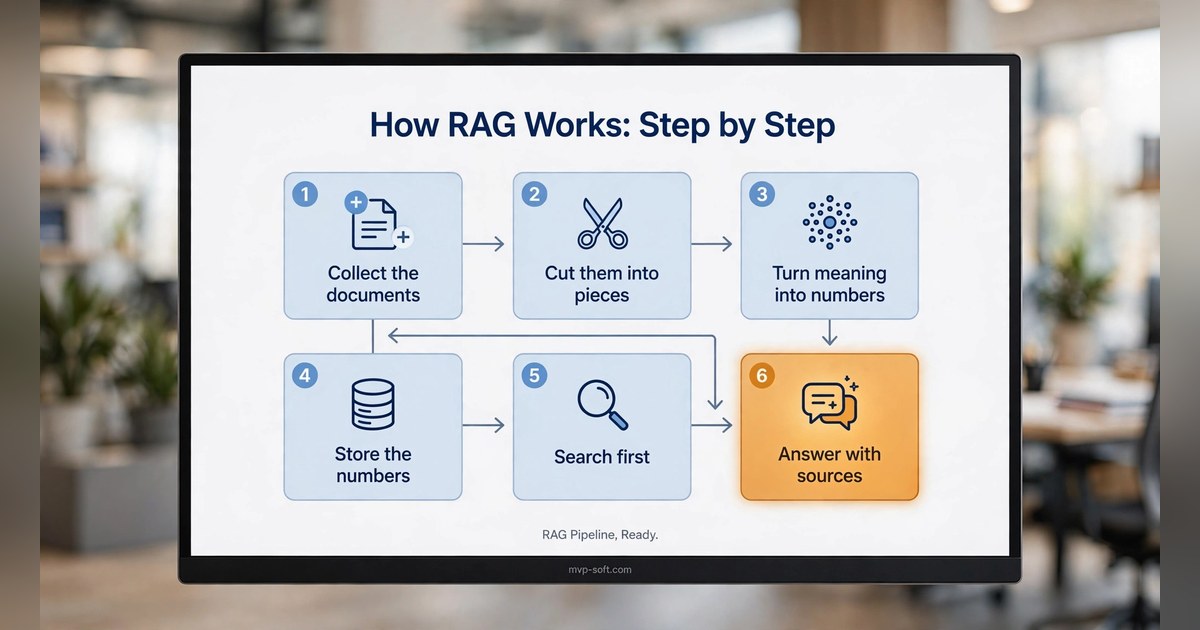
RAG in six ordinary steps: collect the documents, cut them into pieces, turn meaning into numbers, store them, search first, then write the answer from what was found.
- RAG-03: Vector Databases, Explained Simply: Do You Need One, and Which Kind?
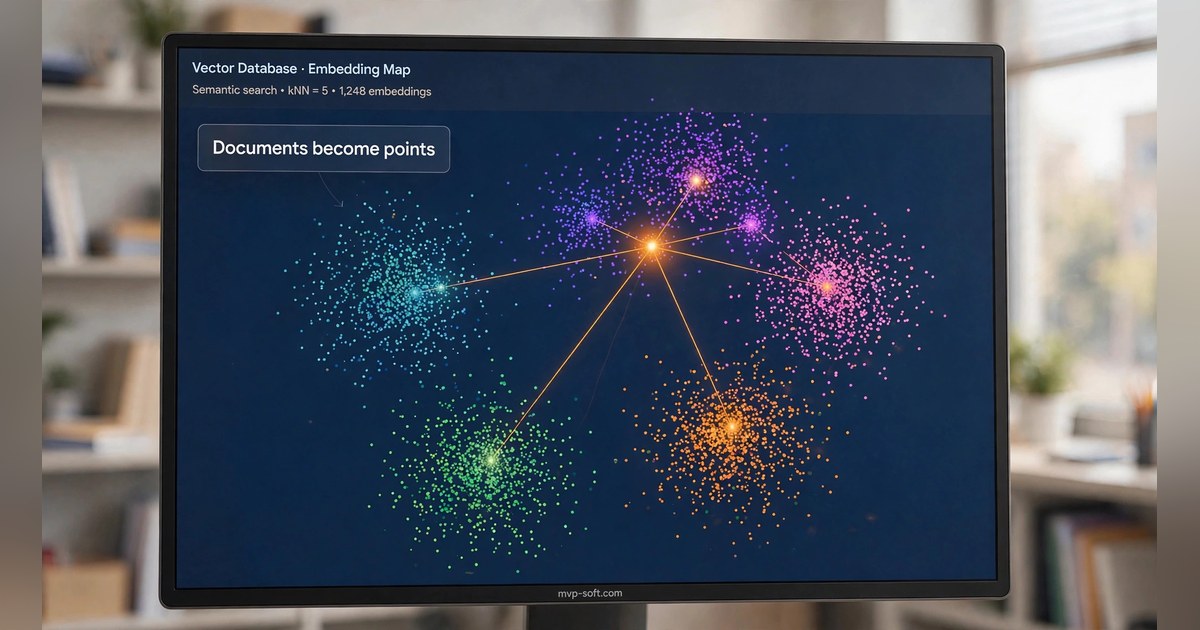
What a vector database actually does, why it is different from the database you already own, and four questions that stop you buying a bigger one than you need.
- RAG-04: Example 1 of 3: RAG for Contracts: Ask the Whole Pile One Question
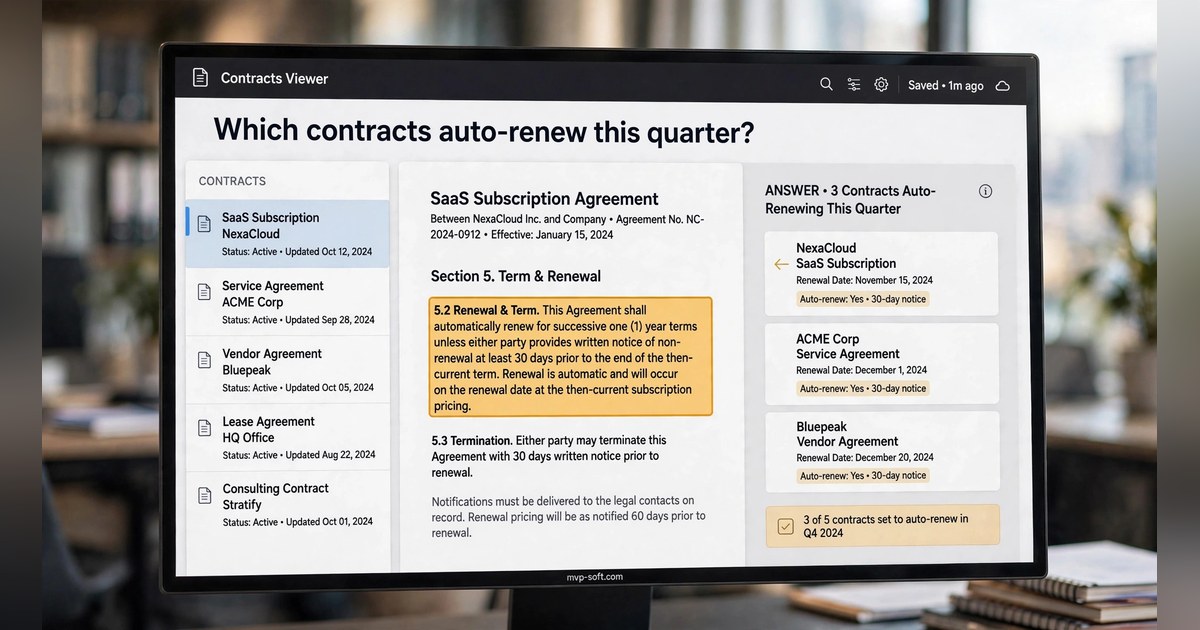
Your contracts hold renewals, notice periods and risks nobody is watching. Ask the whole pile at once and get answers with the clause attached. Example 1 of 3.
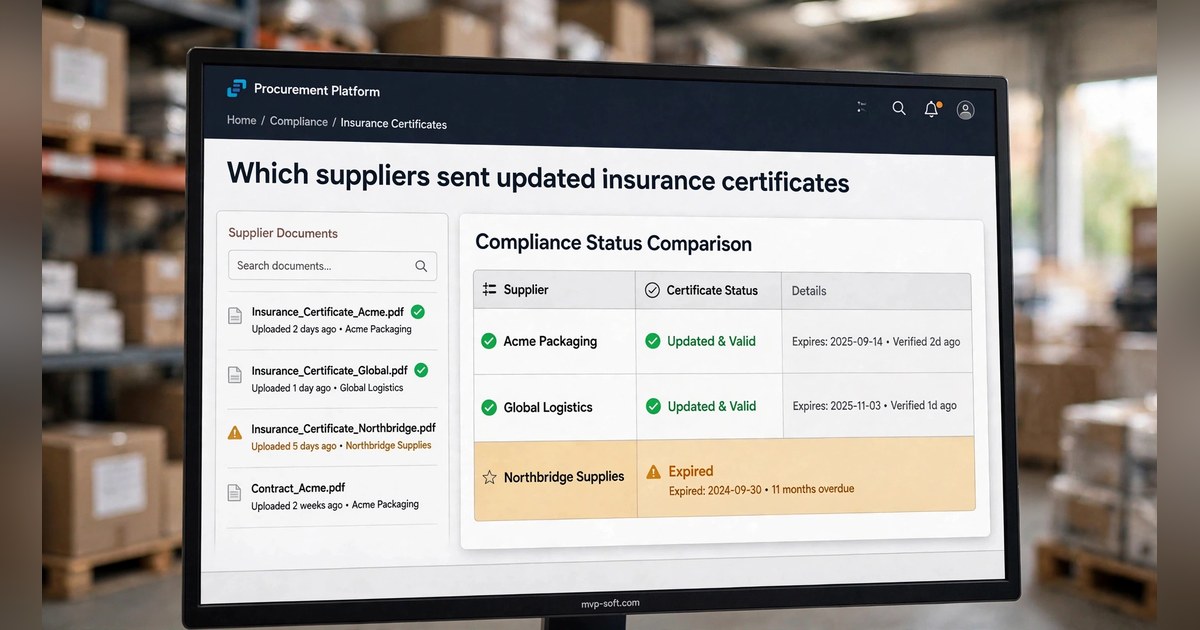
- RAG-05: Example 2 of 3: RAG in Procurement: Every Supplier Answer, Without Digging Through Files
Orders, receiving reports and invoices that do not agree are quiet money leaks. RAG reads across all three and finds the mismatches. Example 2 of 3.
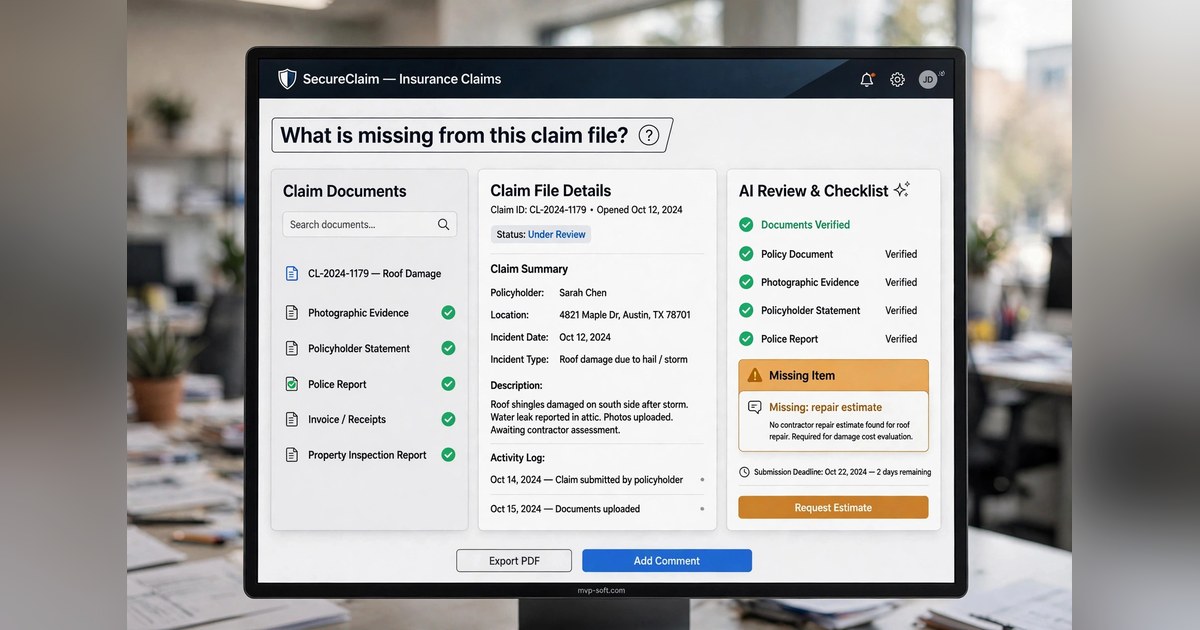
- RAG-06: Example 3 of 3: RAG in Insurance Claims: The Answer Is in the File, Somewhere
A claim file already holds every answer, buried in growing paperwork. RAG joins the documents together and surfaces what is stalled, missing or wrong. Example 3 of 3.
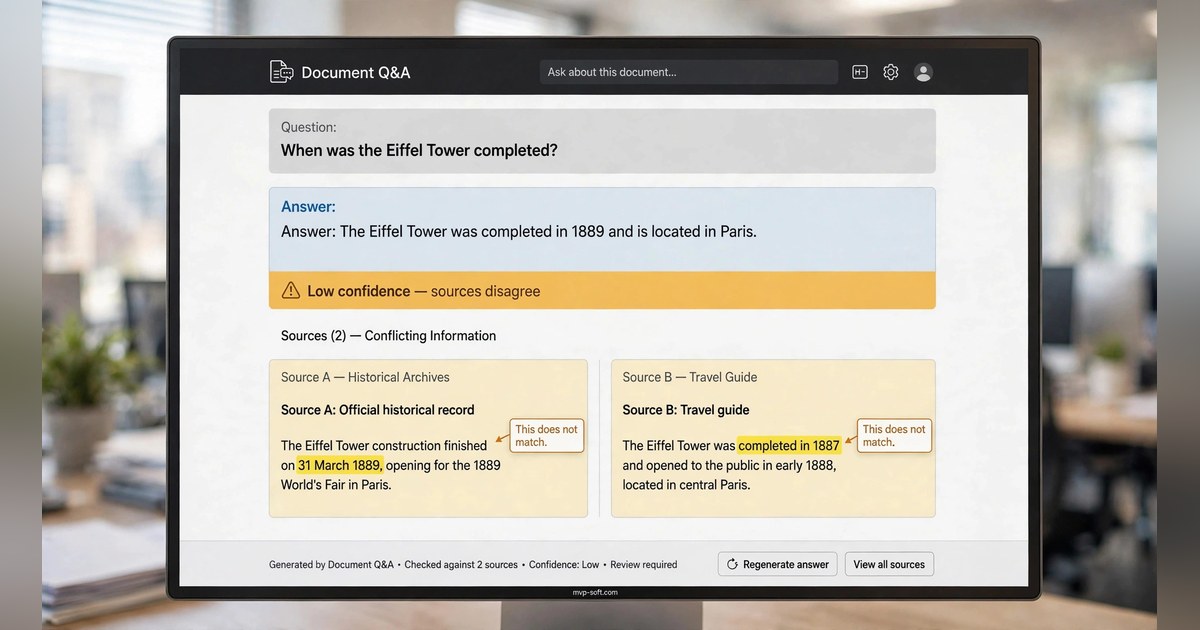
- RAG-07: When RAG Gets It Wrong
The honest part: bad documents, vague questions, clumsy chunking and a model that fills gaps. How RAG fails, and how a well built system earns trust anyway.
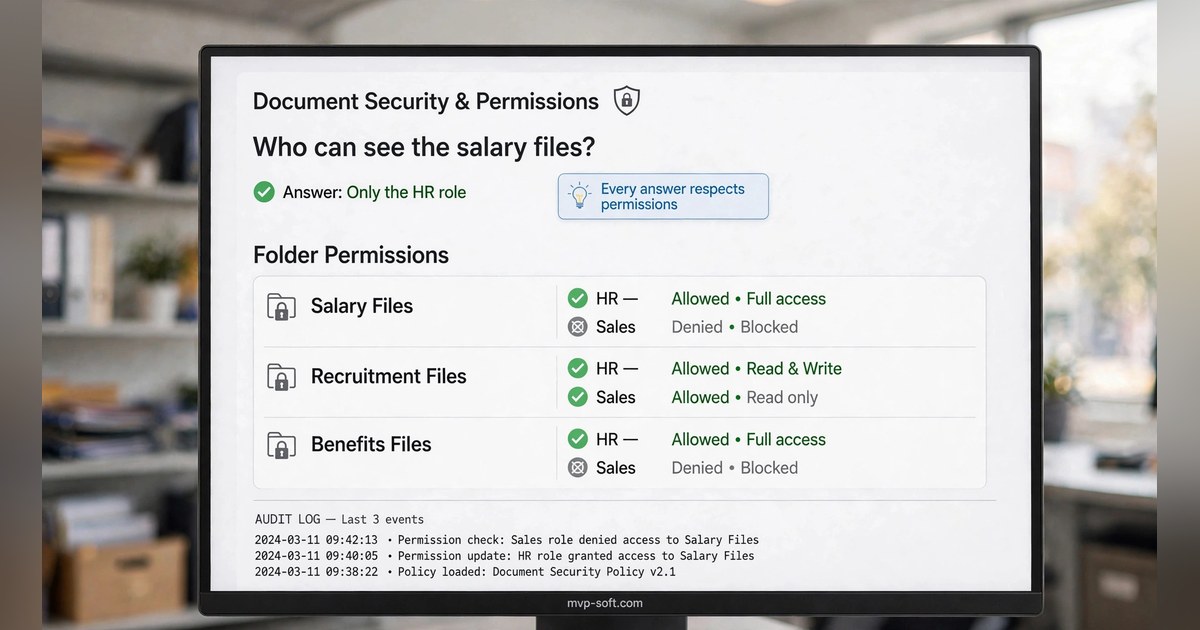
- RAG-08: Is RAG Safe for Company Documents?
Do your documents train the AI? Where do they live, and who inside your own company can find what? The safety questions worth asking any vendor, answered plainly.
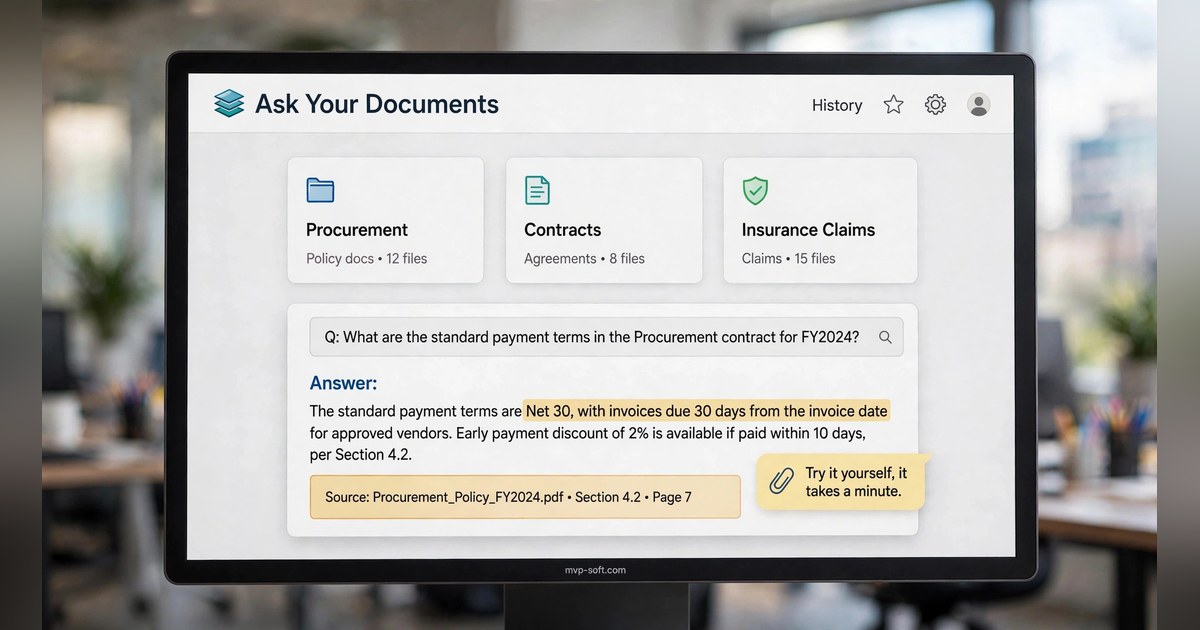
- RAG-09: Don't Take My Word for It: Ask Your Own Documents
The series ends with a door, not a pitch: a working demo I built, with sample contracts, procurement and claims sets, so you can ask real questions and check the sources yourself.