- SB-01: The Rent You Never Question
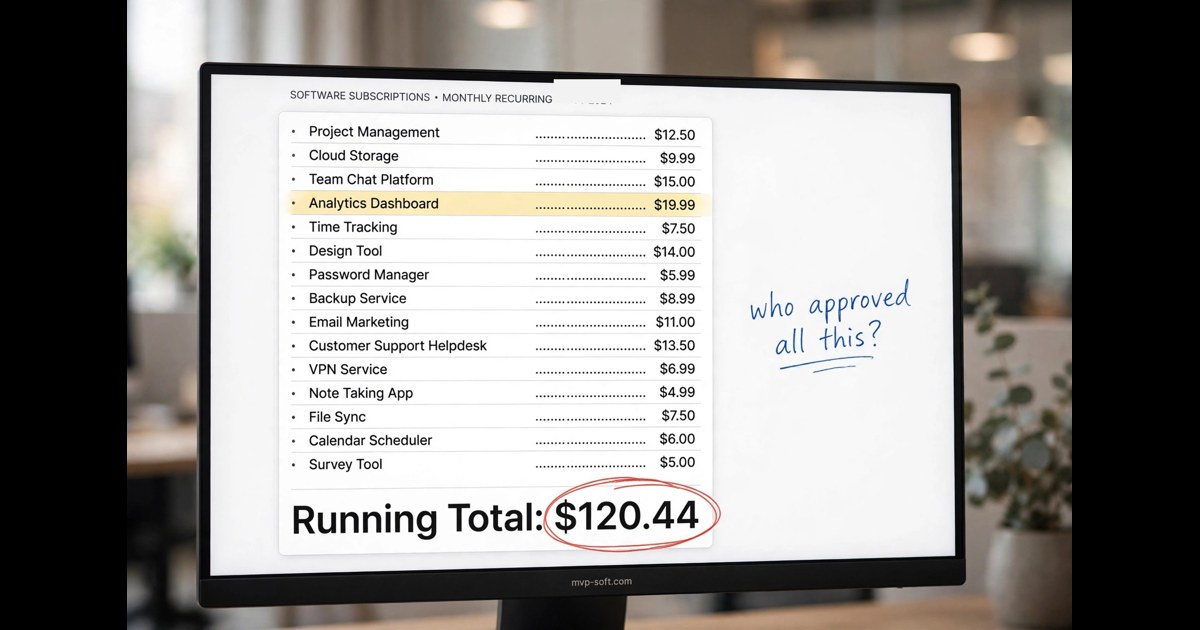
Ask for the full list of software charges from last month and you will find ten to fourteen subscriptions nobody ever consciously approved as a total. How the rent assembles itself, and why this series prices it against the alternative.
- SB-02: The Math: 25, 50, 75 Users
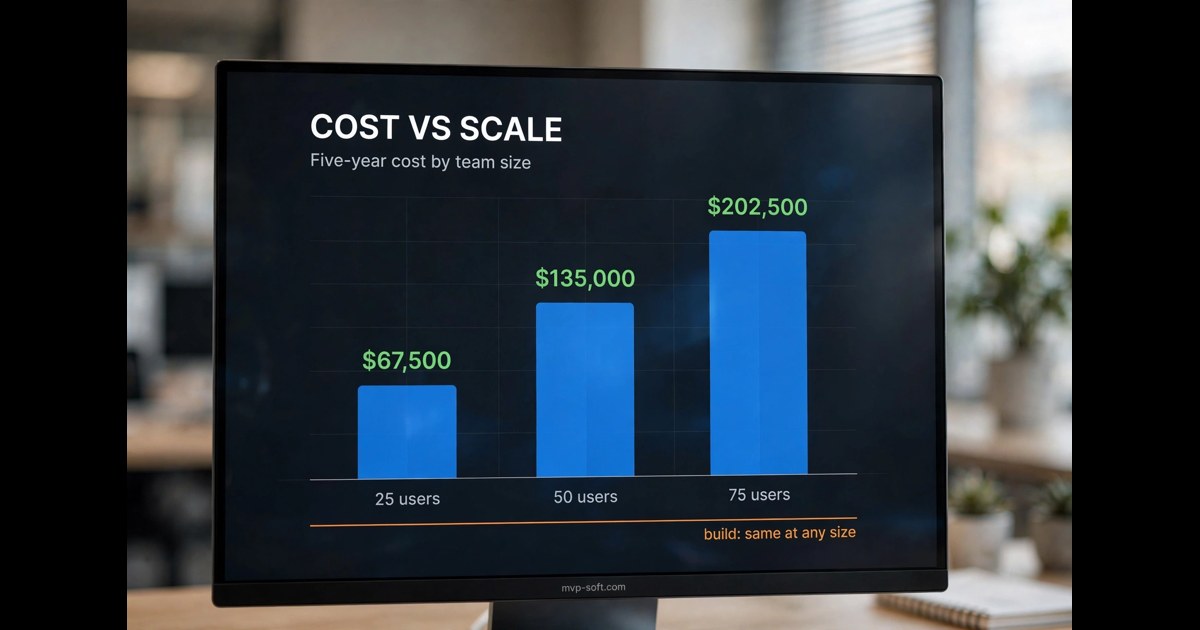
One published seat price, three sizes of company, five years: the staircase of per-seat pricing, the tier creep and price rises that steepen it, and the flat line of a build on the other side.
- SB-03: The Usual Suspects
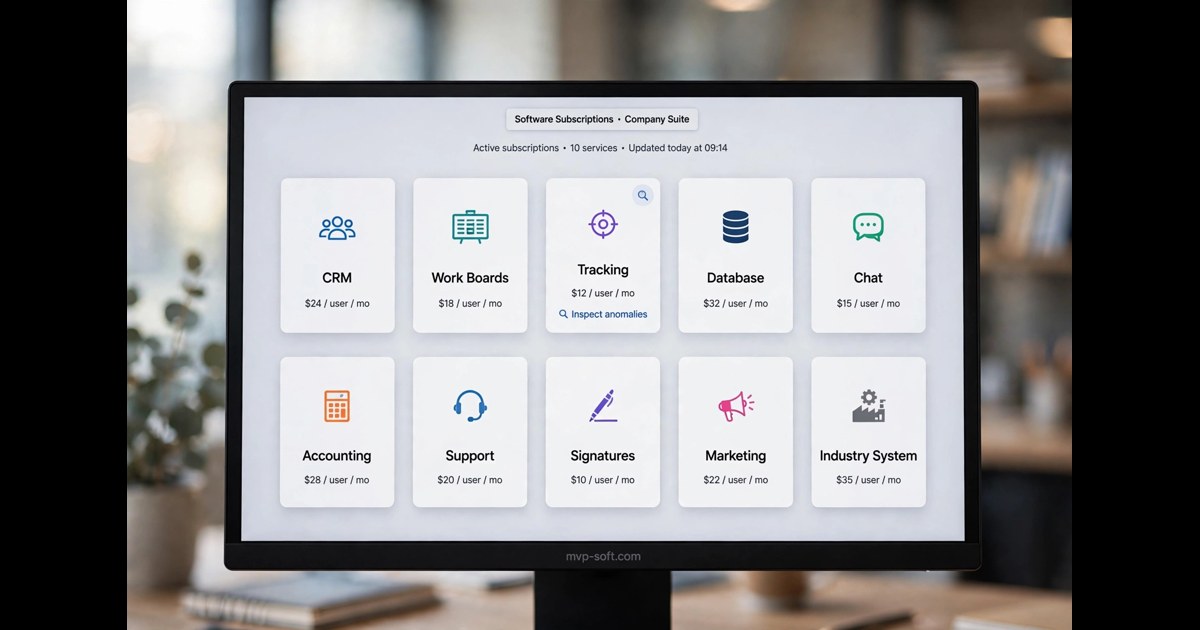
The ten categories almost every growing business rents, what each charges for, and which pricing model each uses. The model is where the traps live.
- SB-04: Example 1 of 5: Work Management (Monday, Trello)
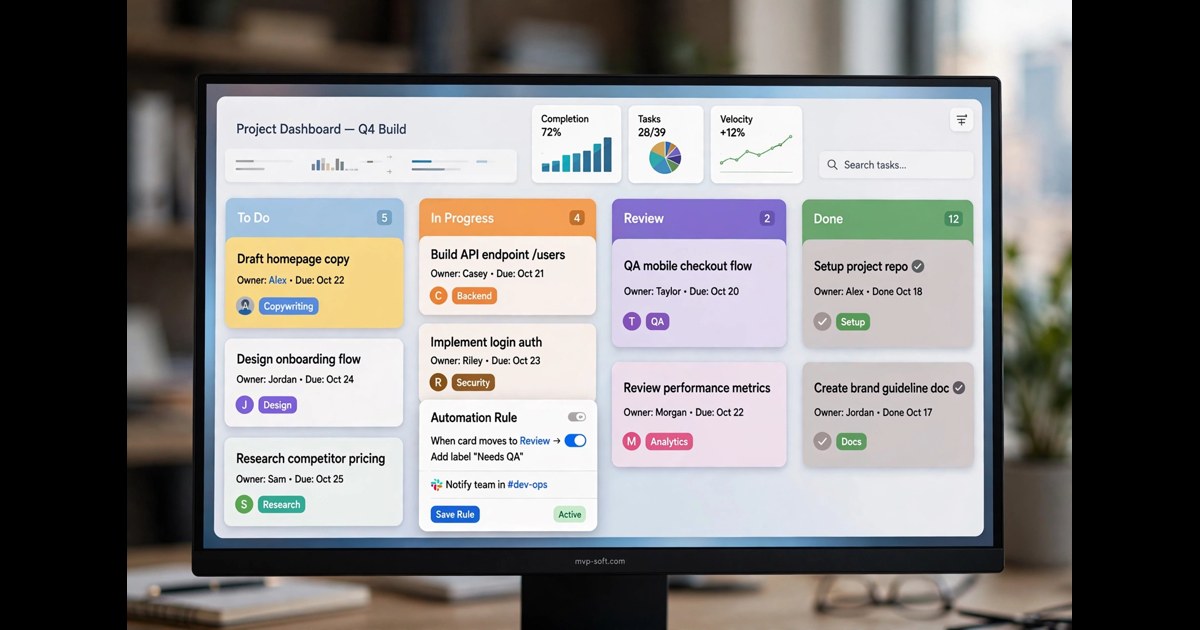
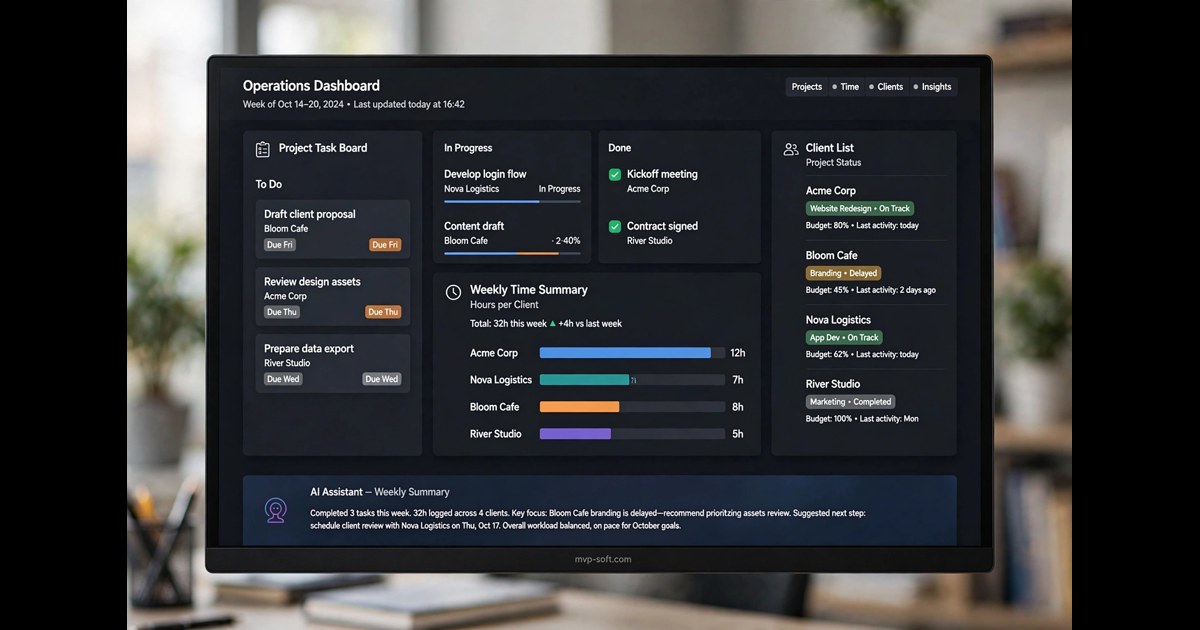
The board every company runs on, priced at 25, 50 and 75 seats against the cost of building your own: specification, five-year rent, honest gains and losses.
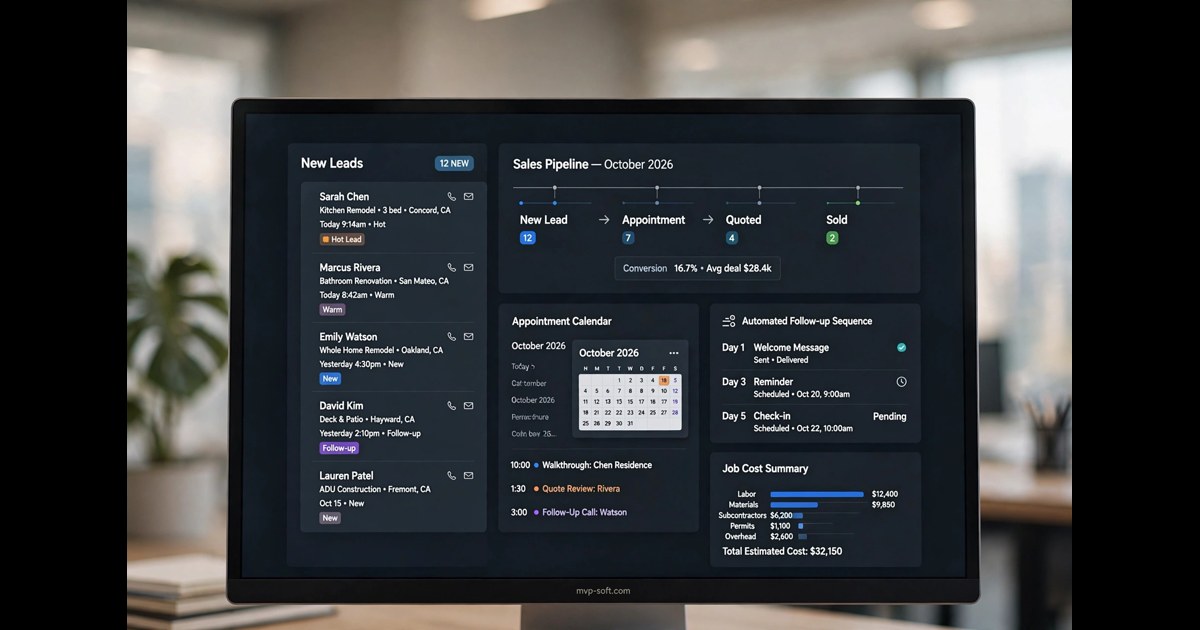
- SB-05: Example 2 of 5: Construction (MarketSharp)
The remodeler's CRM, on the same sheet: what it does, what its published plans cost over five years, what building the equivalent takes, and the workaround signal that tells you the fit is gone.
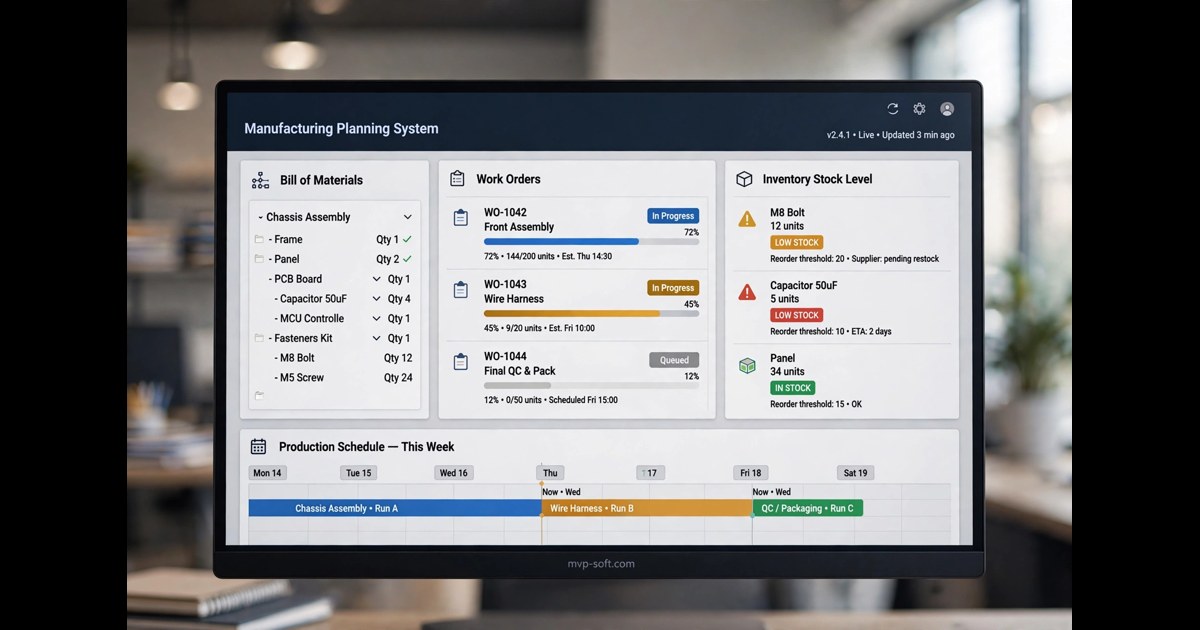
- SB-06: Example 3 of 5: Manufacturing (The Small ERP)
Katana, MRPeasy and Fishbowl charge the same factory three different ways. The most honest sheet in the series: why the smart build in manufacturing is the layer around the ERP, not the ERP.
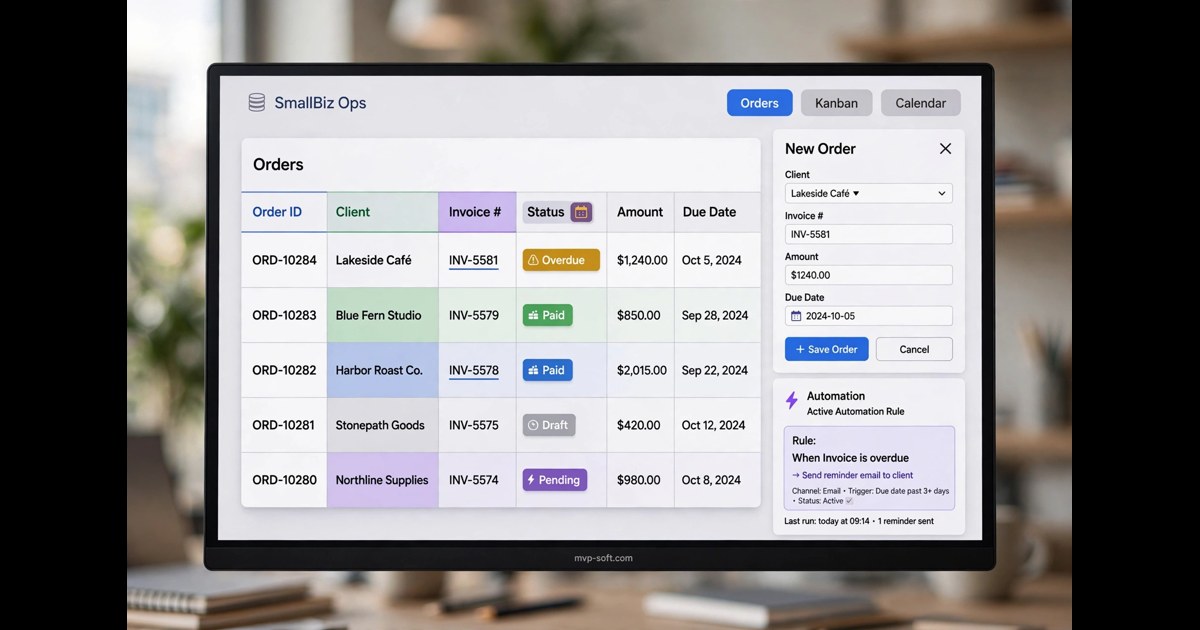
- SB-07: Example 4 of 5: Small Business (Airtable)
The spreadsheet that grew up into an operating system, and the two traps in its meter: record ceilings that double every seat's price, and a bill for people who only look at the data.
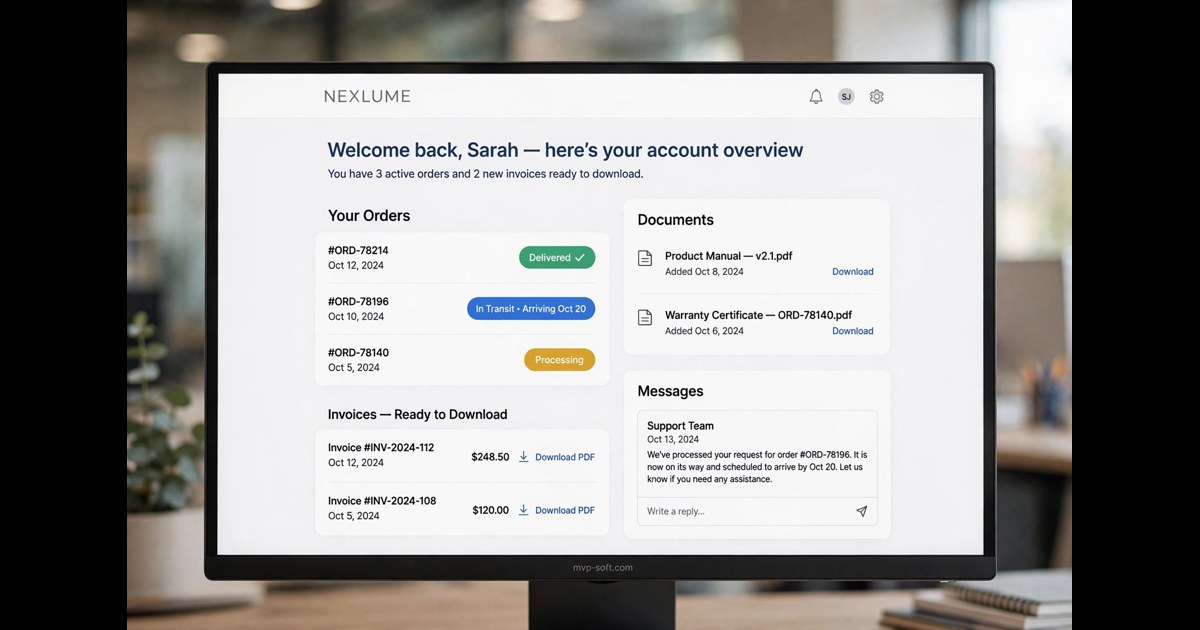
- SB-08: Example 5 of 5: The Customer Portal (Salesforce)
The portal charges you per customer login or per member, so your success is the billing unit. A five-function specification against a five-year bill that can reach half a million dollars.
- SB-09: When SaaS Wins
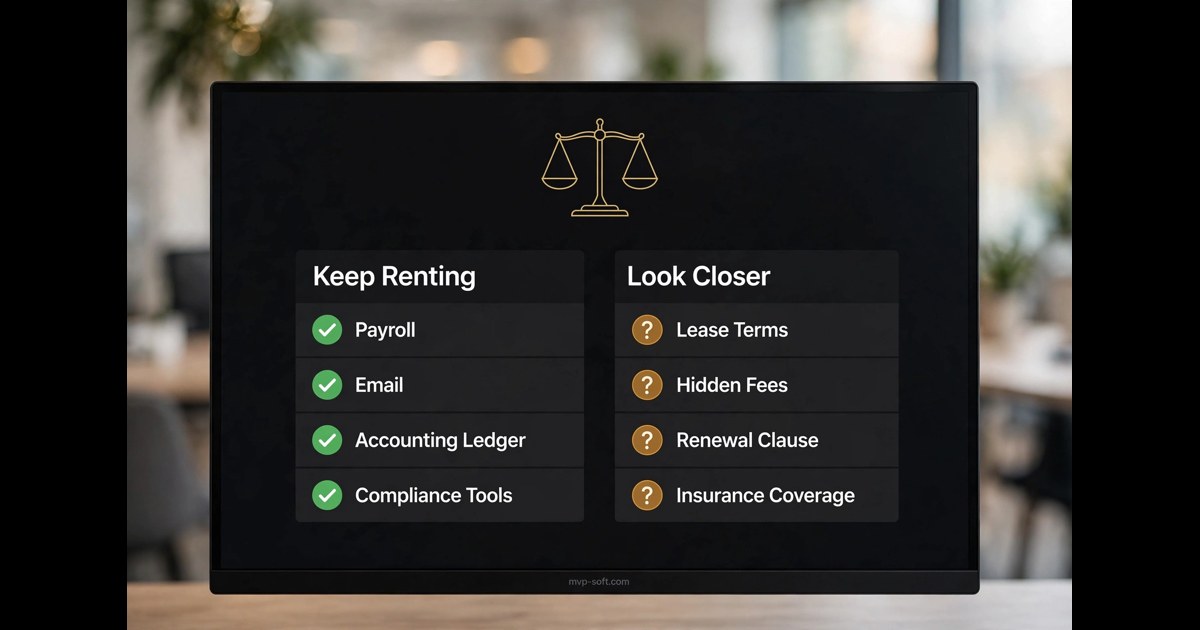
The honest counterweight: payroll, email, ledgers and ecosystems are worth their rent, and small stable teams should keep paying it. Buy the commodity, build the difference.
- SB-10: The Crossover Point
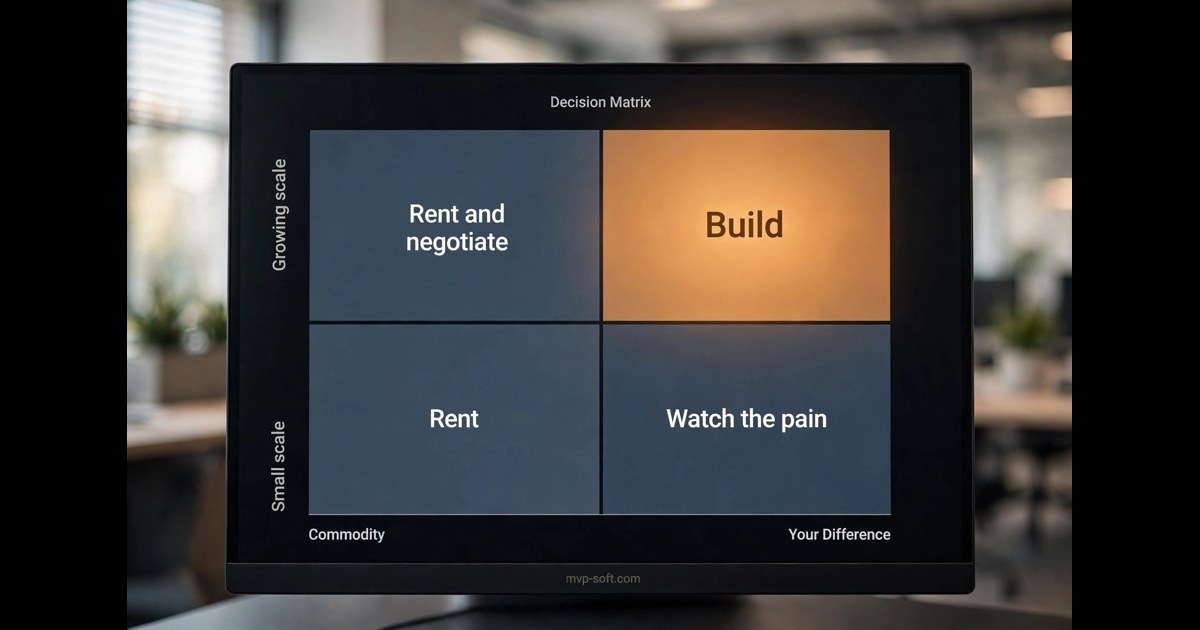
A two-axis matrix for every tool in your stack, what AI did to the cost wall that separated building from renting, and the build side's honest costs, stated plainly.
- SB-11: I Used Jira and Toggl for Twenty Years. Then I Built My Own.
Two decades a loyal paying user of the tools this series prices, then one multi-tenant system of my own: no seat meter, no tiers, AI on all the data at once. The receipt for the whole argument, and a standing offer.
- SB-12: Start With One Workflow
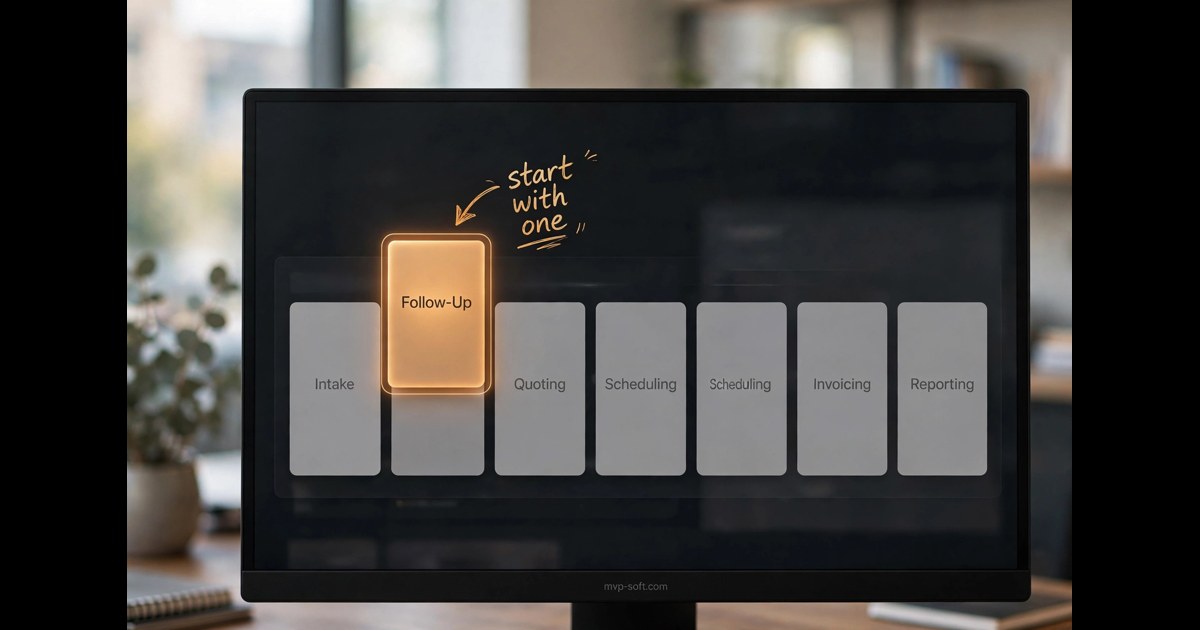
The finale: how to pick the one workflow worth building first, what starting honestly looks like, and what changes ninety days later. Examine the rent once a year; that is all this series asks.
THE BRIDGE
We’re the bridge between people and technology.
Notes on operations, people, and technology.
Operations
12 publishedHow work actually moves, and where it jams.