- SB-01: The Rent You Never Question
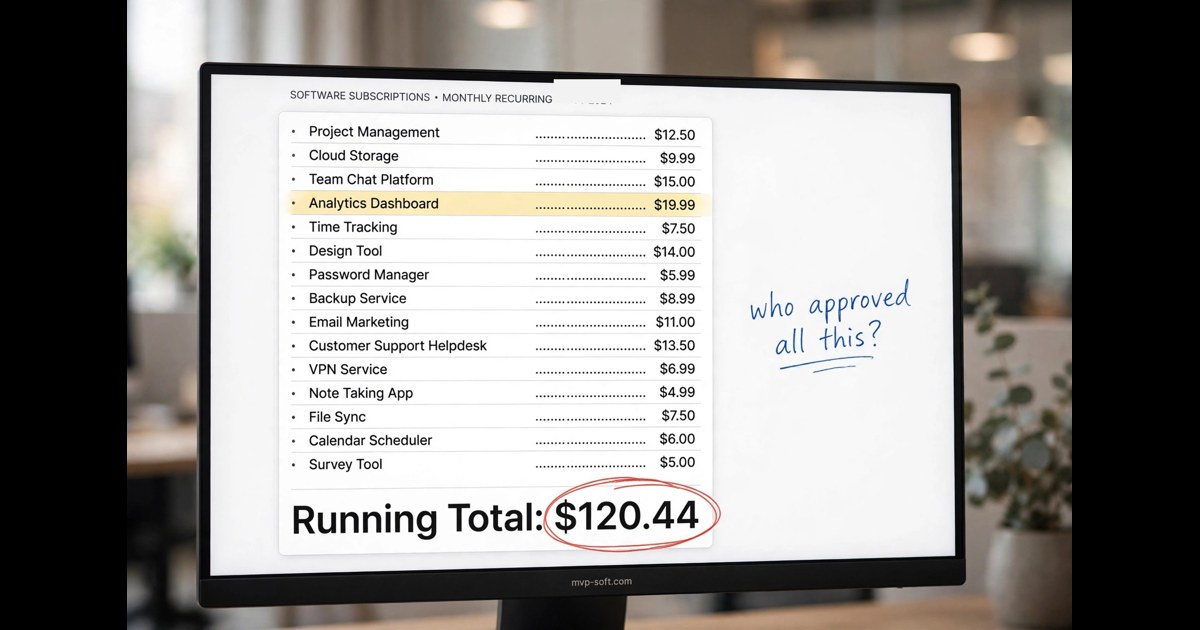
Ask for the full list of software charges from last month and you will find ten to fourteen subscriptions nobody ever consciously approved as a total. How the rent assembles itself, and why this series prices it against the alternative.
- SB-02: The Math: 25, 50, 75 Users
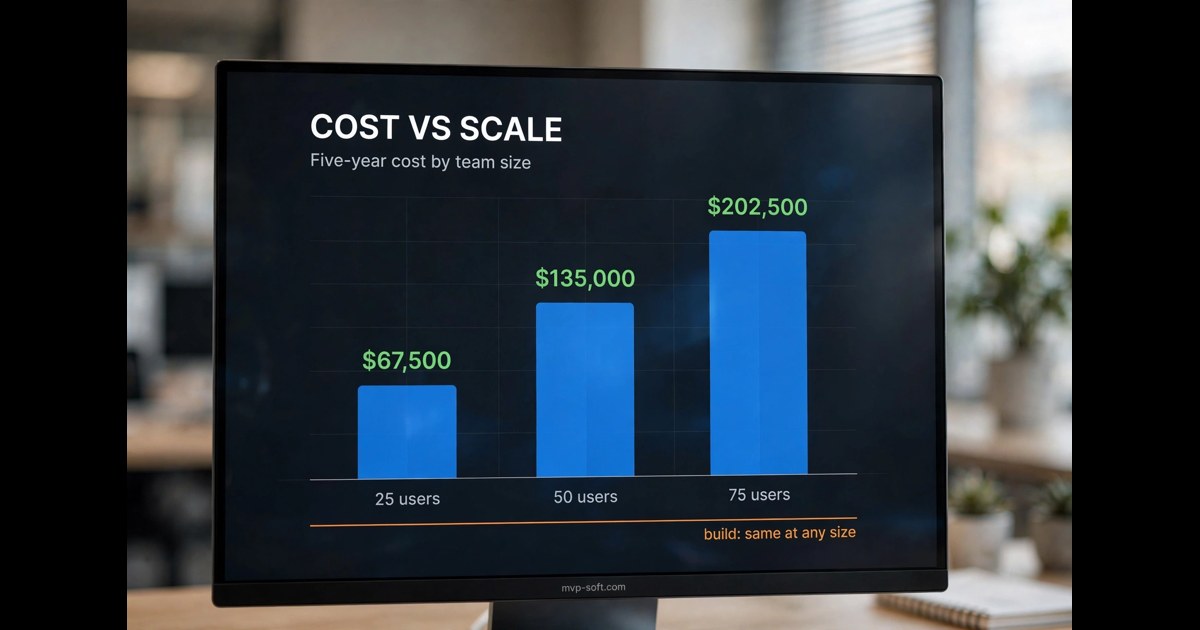
One published seat price, three sizes of company, five years: the staircase of per-seat pricing, the tier creep and price rises that steepen it, and the flat line of a build on the other side.
- SB-03: The Usual Suspects
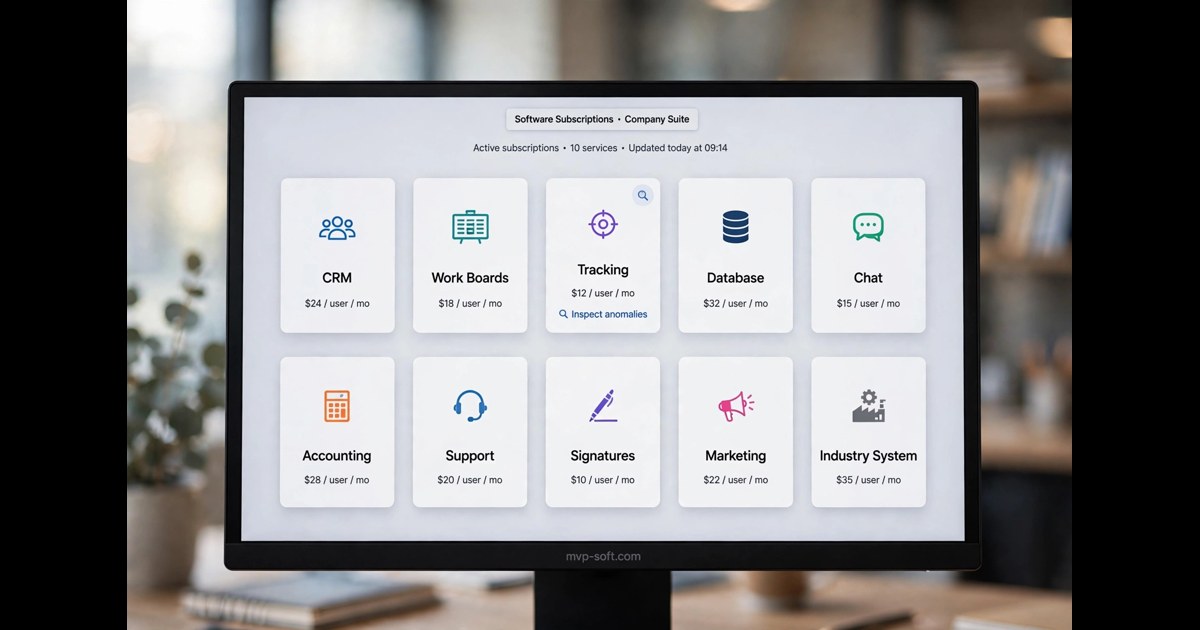
The ten categories almost every growing business rents, what each charges for, and which pricing model each uses. The model is where the traps live.
- SB-04: Example 1 of 5: Work Management (Monday, Trello)
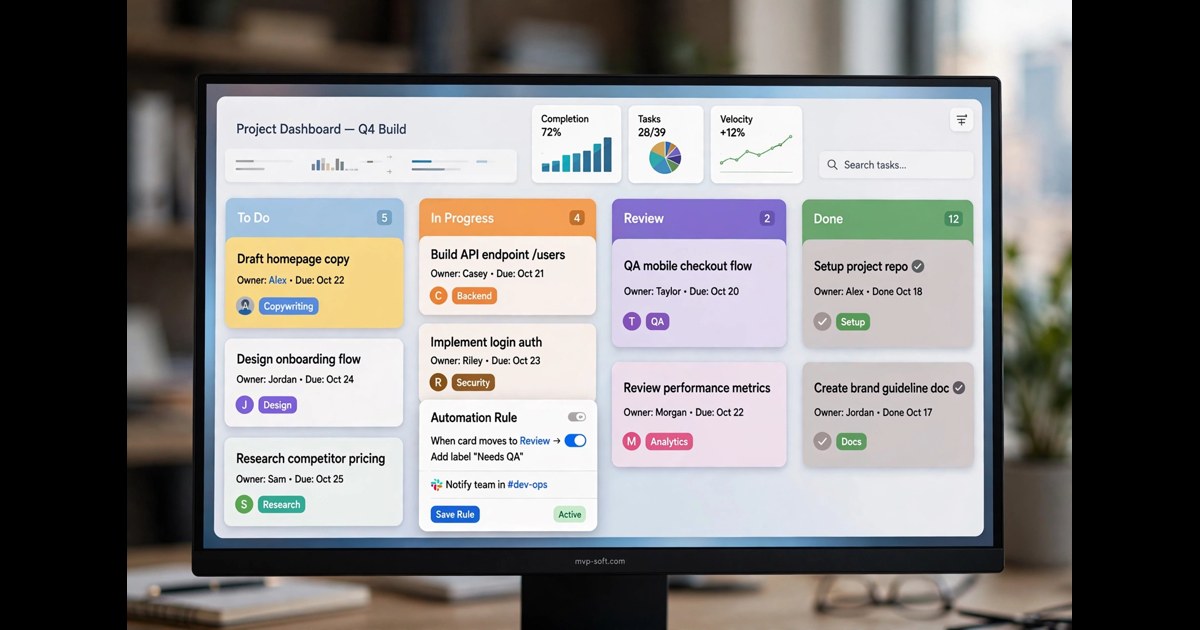
The board every company runs on, priced at 25, 50 and 75 seats against the cost of building your own: specification, five-year rent, honest gains and losses.
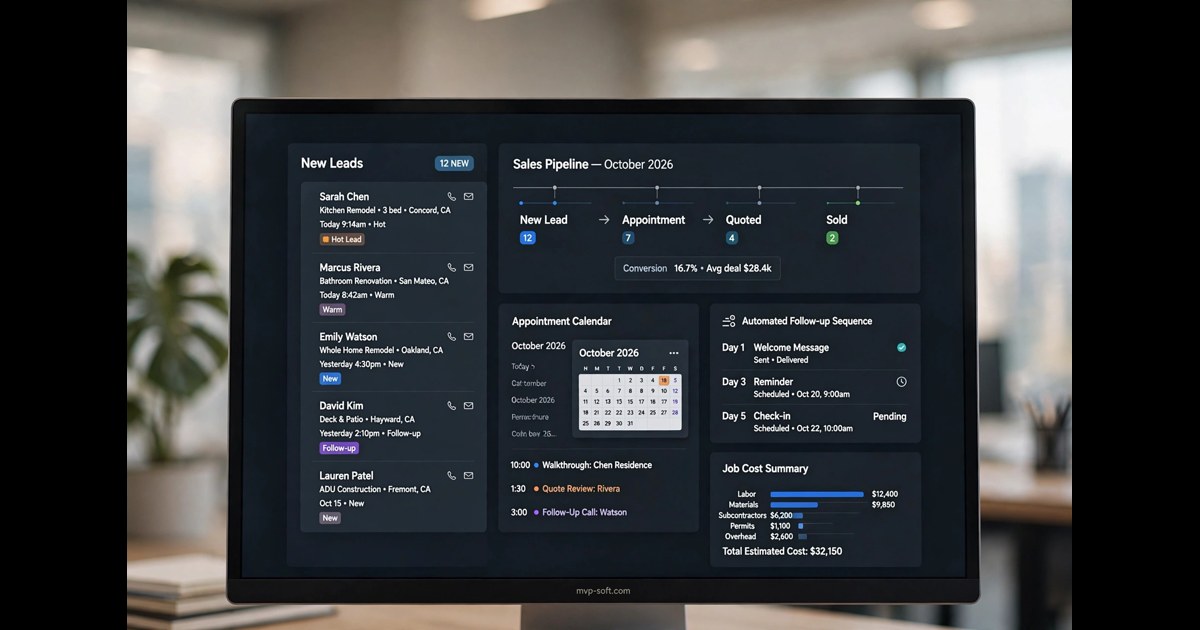
- SB-05: Example 2 of 5: Construction (MarketSharp)
The remodeler's CRM, on the same sheet: what it does, what its published plans cost over five years, what building the equivalent takes, and the workaround signal that tells you the fit is gone.
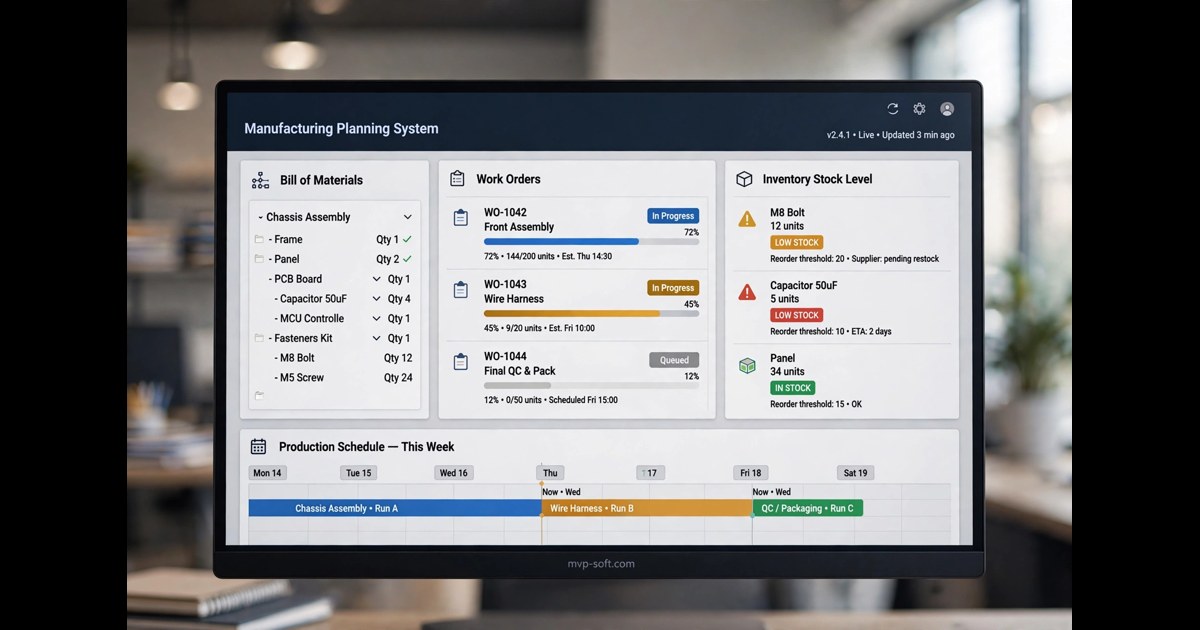
- SB-06: Example 3 of 5: Manufacturing (The Small ERP)
Katana, MRPeasy and Fishbowl charge the same factory three different ways. The most honest sheet in the series: why the smart build in manufacturing is the layer around the ERP, not the ERP.
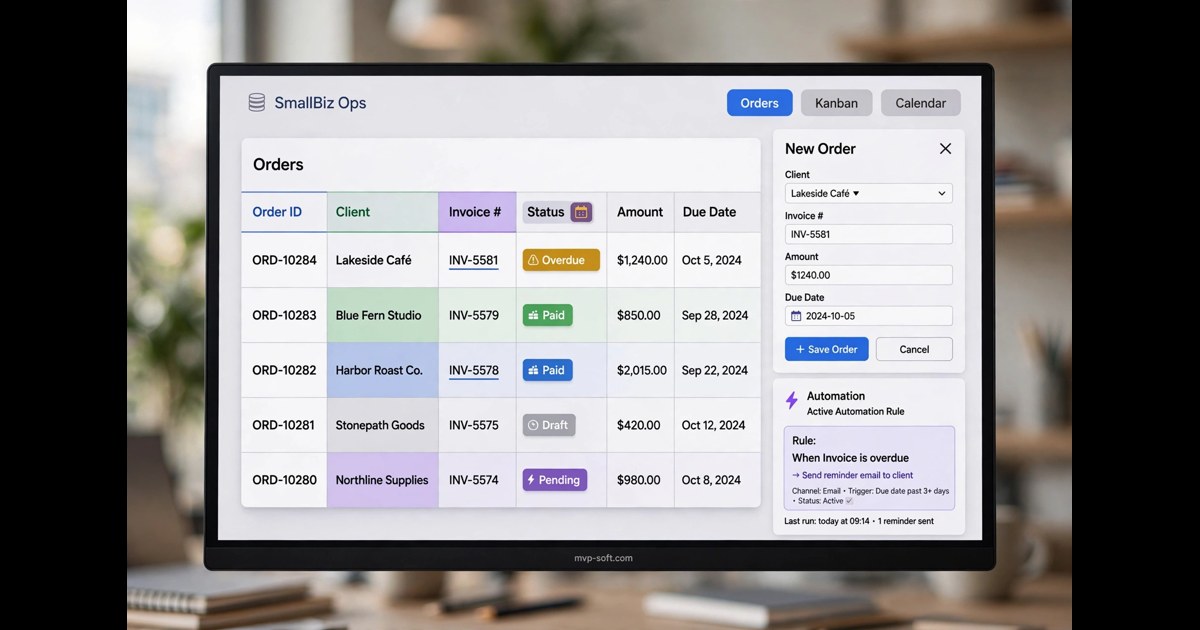
- SB-07: Example 4 of 5: Small Business (Airtable)
The spreadsheet that grew up into an operating system, and the two traps in its meter: record ceilings that double every seat's price, and a bill for people who only look at the data.
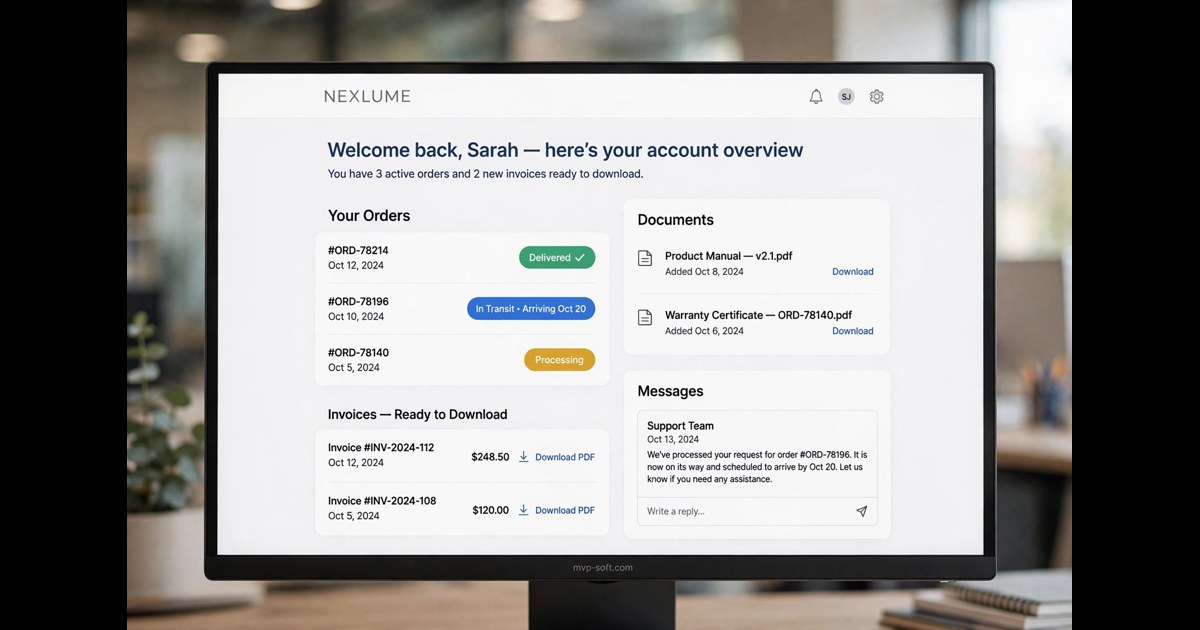
- SB-08: Example 5 of 5: The Customer Portal (Salesforce)
The portal charges you per customer login or per member, so your success is the billing unit. A five-function specification against a five-year bill that can reach half a million dollars.
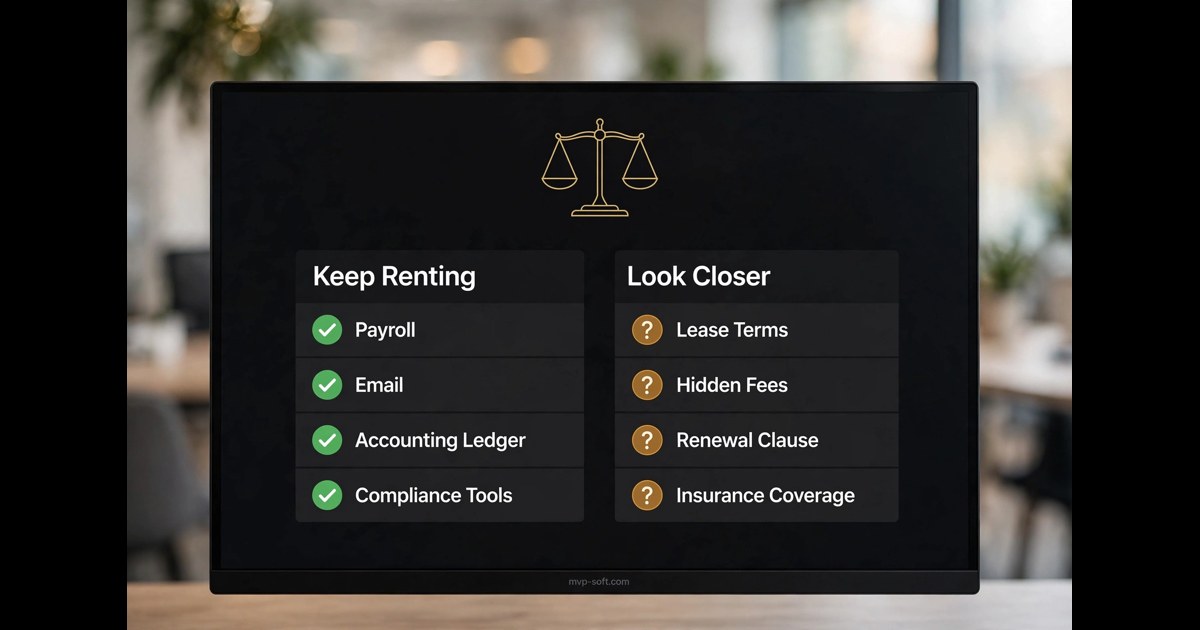
- SB-09: When SaaS Wins
The honest counterweight: payroll, email, ledgers and ecosystems are worth their rent, and small stable teams should keep paying it. Buy the commodity, build the difference.
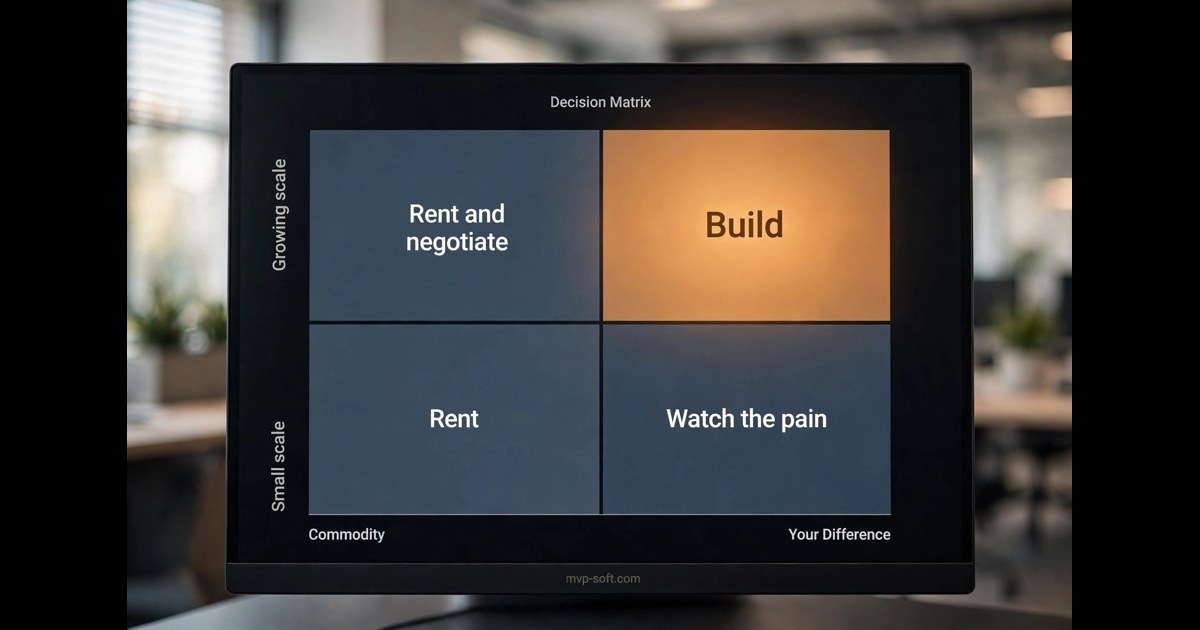
- SB-10: The Crossover Point
A two-axis matrix for every tool in your stack, what AI did to the cost wall that separated building from renting, and the build side's honest costs, stated plainly.
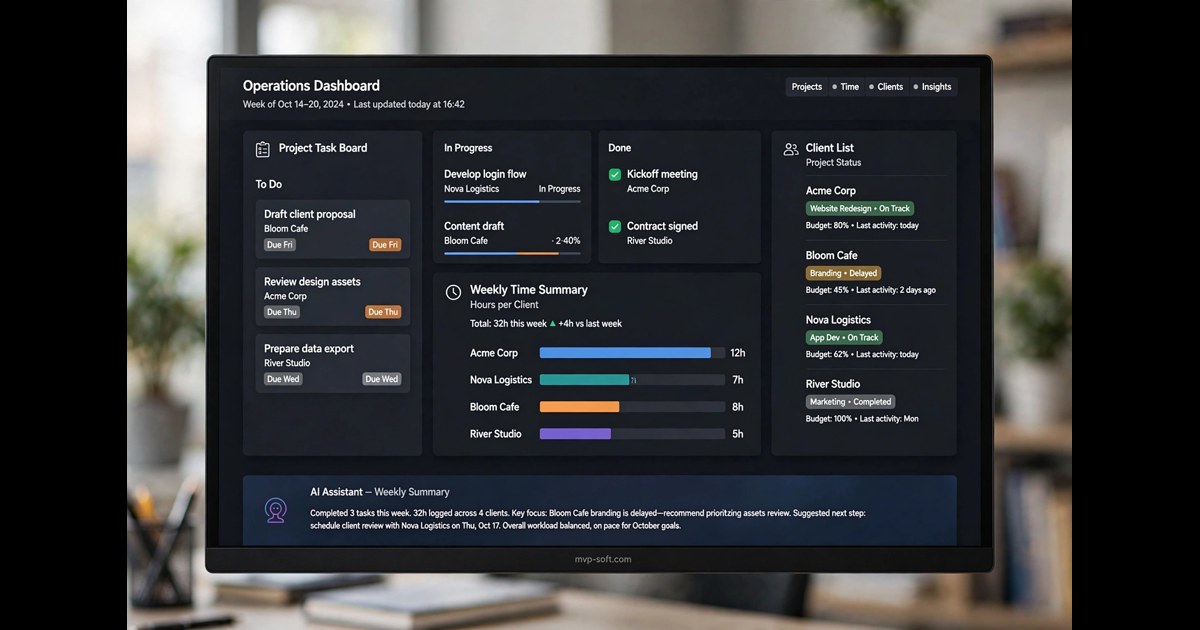
- SB-11: I Used Jira and Toggl for Twenty Years. Then I Built My Own.
Two decades a loyal paying user of the tools this series prices, then one multi-tenant system of my own: no seat meter, no tiers, AI on all the data at once. The receipt for the whole argument, and a standing offer.
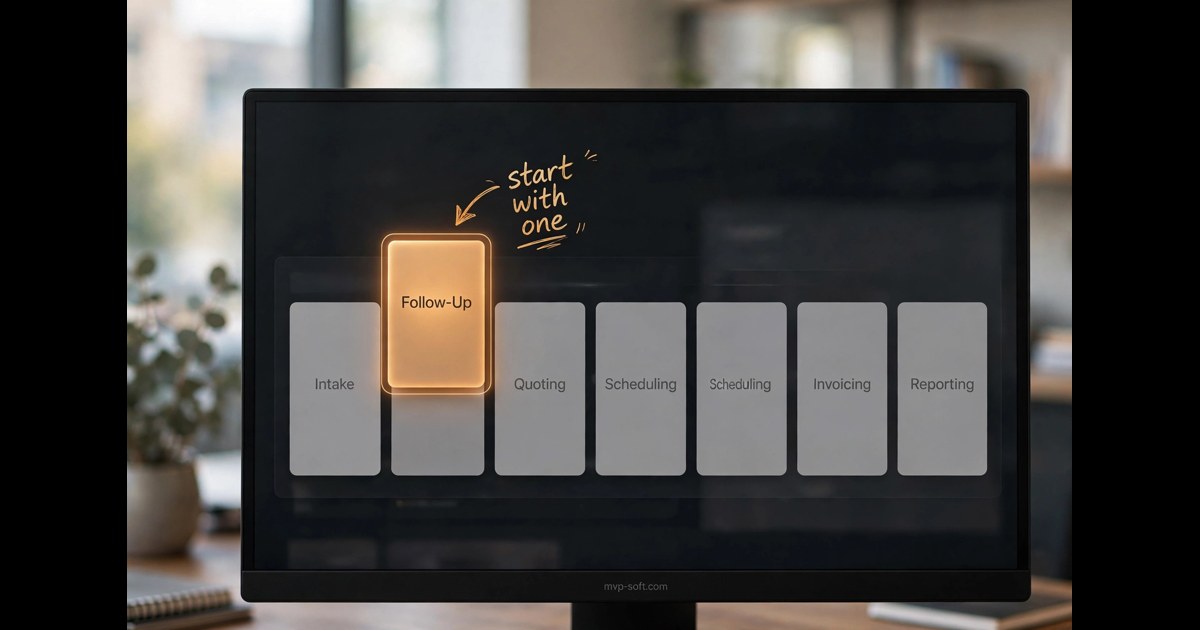
- SB-12: Start With One Workflow
The finale: how to pick the one workflow worth building first, what starting honestly looks like, and what changes ninety days later. Examine the rent once a year; that is all this series asks.