- PR-01: What Is Prompting? The Instruction Behind the Answer
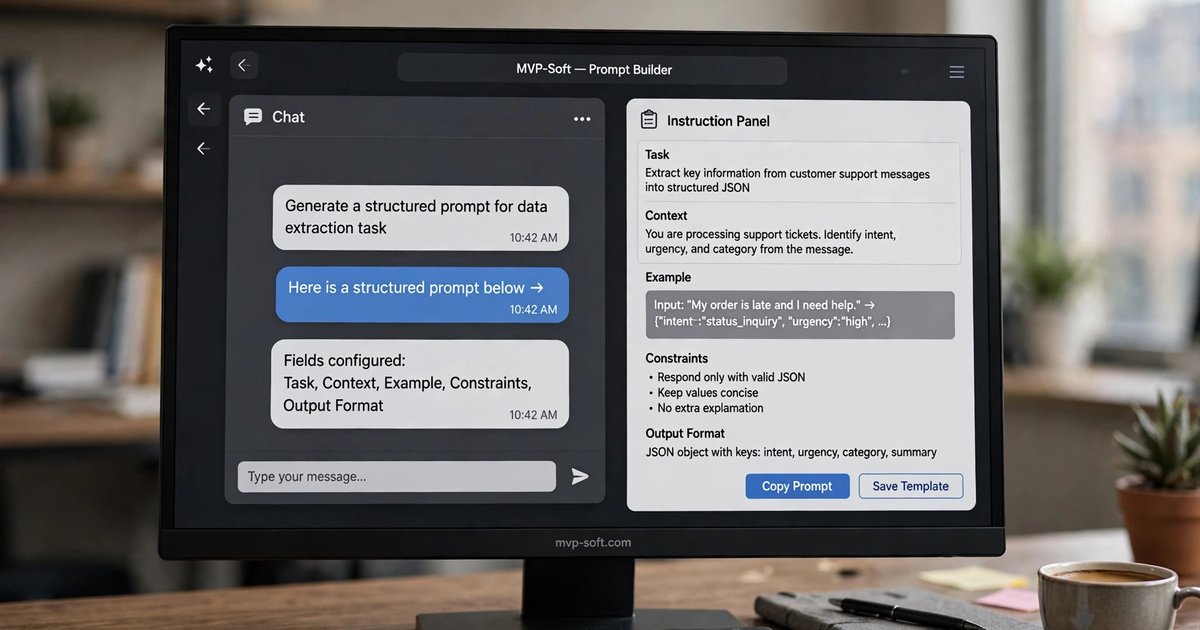
Prompting is not typing a question into a box. It is giving an instruction with five parts: the task, the context, an example, the constraints and the output shape. This opening part explains why the same AI tool gives one person gold and another person mush.
- PR-02: Prompting, Step by Step
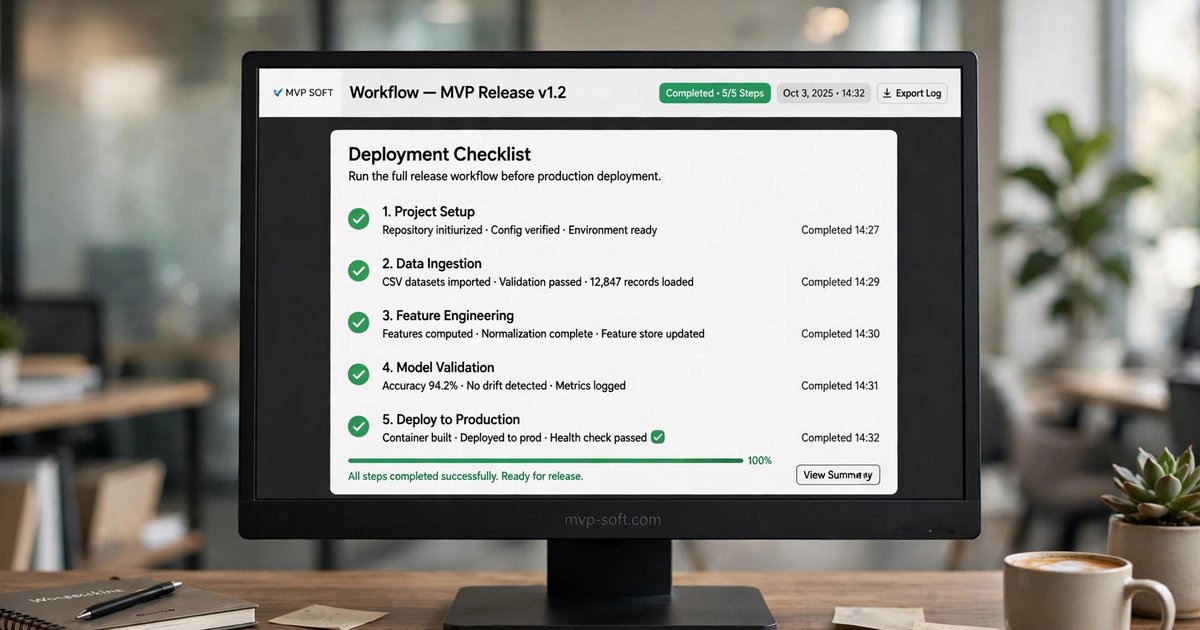
A working method in five moves: brief, context, example, format, check. One ordinary task, a supplier email thread before a difficult call, is run through all five moves so you can see what each one changes in the result.
- PR-03: Write Prompts Like Work Instructions
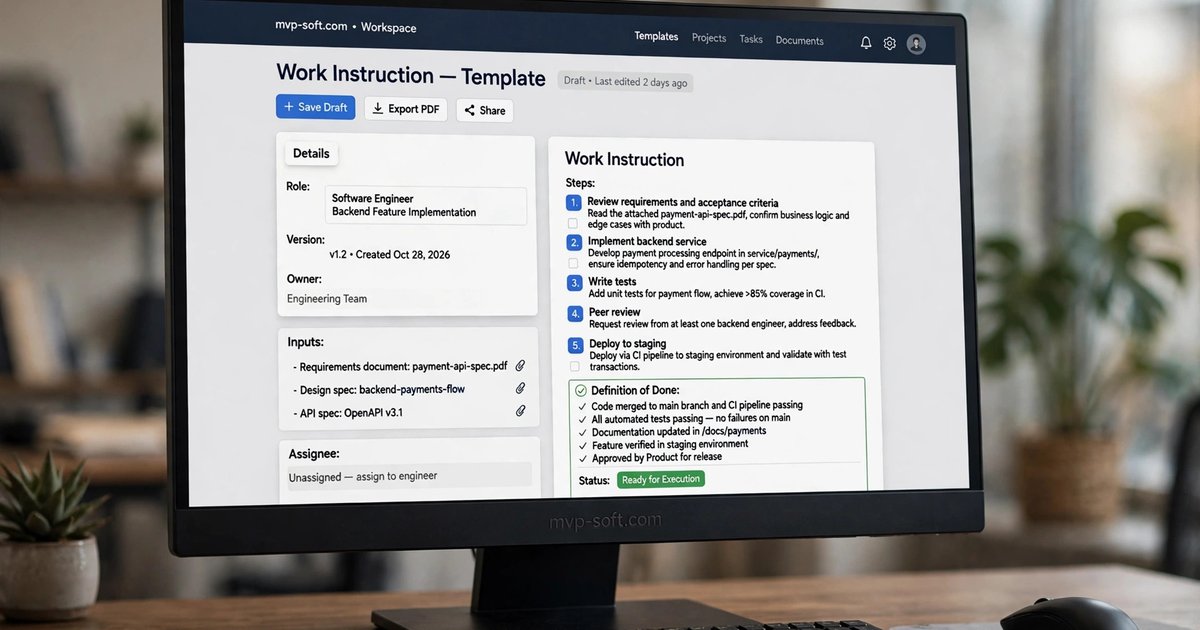
A prompt is a work instruction for a very fast, very literal new hire. This part shows how to write one properly: role, inputs, steps, a clear definition of done, and an explicit instruction for what to do when unsure.
- PR-04: Prompting at Work: Email, Reports and Meeting Notes
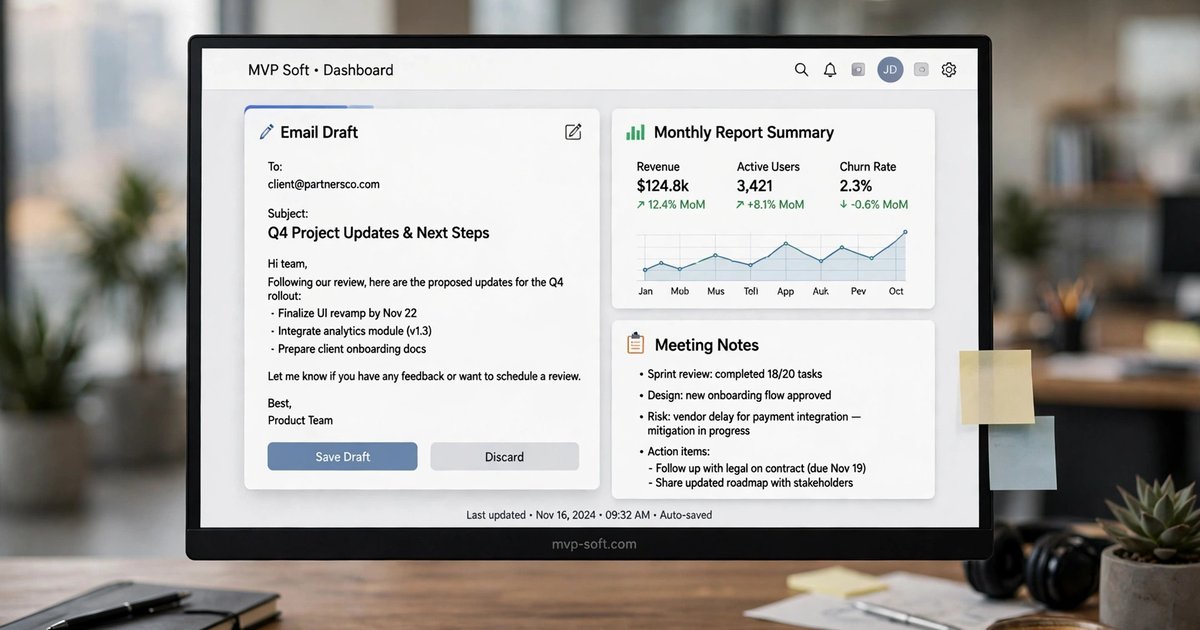
Three everyday tasks shown twice, weak prompt first and then the same prompt written properly: a difficult customer email, a monthly report summary, and raw meeting notes. The difference in the output is the difference the instruction makes.
- PR-05: When a Better Prompt Will Not Save You
The honest limits of prompting: the AI cannot invent facts it cannot see, cannot read your files, and cannot fix a broken process. This is where RAG enters, the next step in the chain, which lets the AI answer from your own documents instead of its memory.
- PR-06: Prompts Are Company Assets
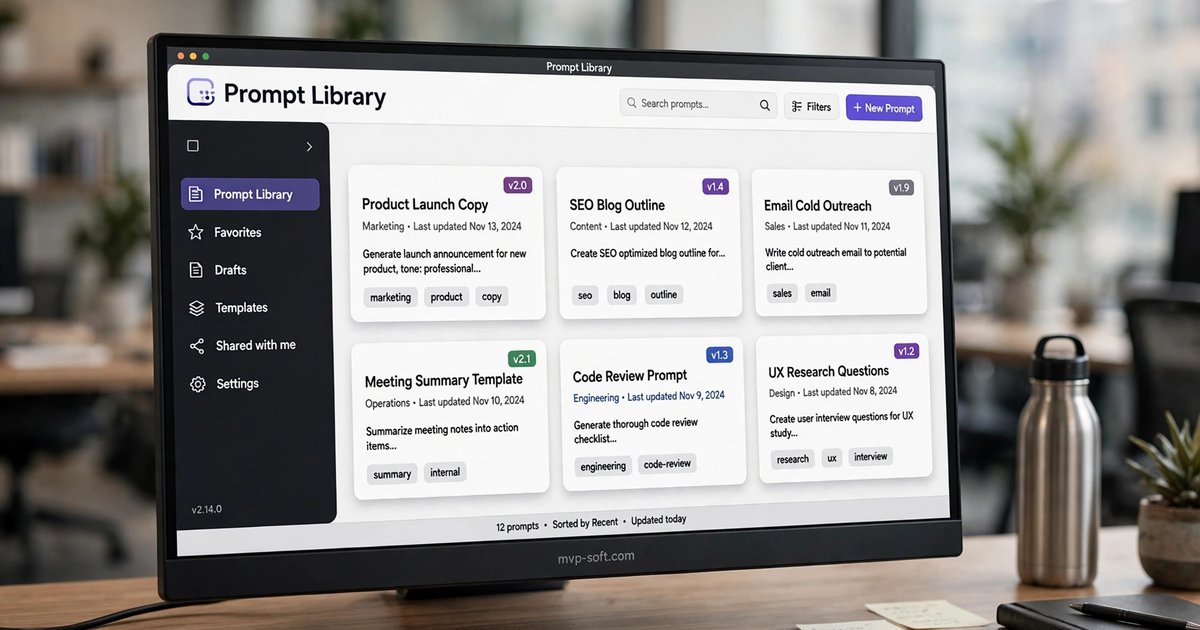
A good prompt locked in one person's chat history is knowledge in one head. This closing part covers prompt libraries, templates, versioning and ownership, and points forward to agents, where a saved prompt starts taking steps on its own.